A Young Perspective on Dance and Mortality
Julia Wagner ·
Listen to this article~5 min
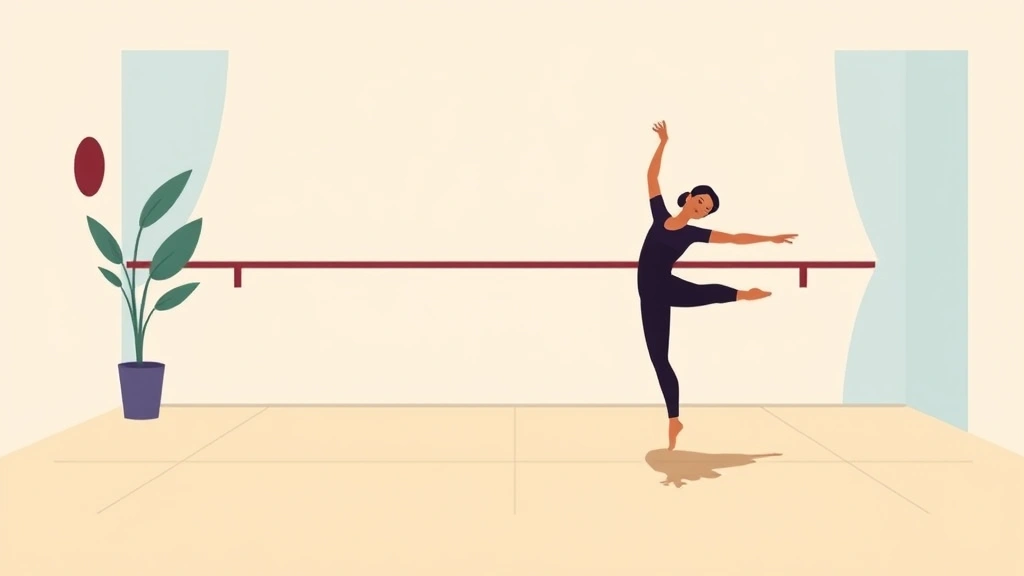
Exploring how dance studios and choreographers can address deeper themes of physicality and meaning in their work, creating more impactful experiences for students and audiences.
Let's talk about something we don't often discuss in the dance studio. You know, between pliés and pirouettes, we're focused on movement, expression, and physicality. But there's this underlying theme that sometimes surfaces in our art—the relationship between our physical bodies and the bigger questions.
I was thinking about this recently after reflecting on a famous artwork with a very long title about death and perception. It got me wondering how we, as dancers and choreographers, approach similar concepts through our work.
### The Body as Our Canvas
Our bodies are our primary instruments. We push them to their limits, stretching muscles, testing balance, demanding precision. A dancer's relationship with their physical form is intimate and constant. We're acutely aware of what our bodies can and cannot do—today, this week, this season.
There's a vulnerability in that awareness. We know our physicality is temporary. Injuries happen. Flexibility changes. Our bodies tell stories of both capability and limitation.
### Choreographing Beyond the Physical
Great choreography does more than arrange steps. It communicates ideas, emotions, and sometimes, those big philosophical questions. When you're creating a piece, you're not just moving bodies through space. You're shaping an experience that might make your audience think about life, connection, or yes, even mortality.
Think about the contrasts we work with:
- Lightness versus weight
- Quickness versus stillness
- Connection versus isolation
These aren't just technical choices. They're emotional and conceptual tools. A sudden fall to the floor can feel like surrender. A sustained lift can feel like transcendence.
### Teaching the Whole Dancer
As studio owners and teachers, we're not just training bodies. We're nurturing artists. That means creating space for conversations that go beyond technique. How do we help our students connect their physical practice to their emotional and intellectual lives?
Here's what I've found works:
- Begin class with a moment of intention-setting
- Discuss the emotional quality of movements, not just the mechanics
- Encourage students to journal about their dance experiences
- Create opportunities for them to choreograph based on personal themes
It's about building artists who think as deeply as they move.
### The Business of Meaningful Movement
Running a dance studio or working as a choreographer isn't just about teaching steps. You're creating a community. You're providing a space where people explore what it means to be human through movement. That's powerful stuff.
When prospective students or parents ask about your program, they're not just looking for technical training. They're looking for an experience that matters. They want to know their time (and their $75-$150 monthly tuition) is going toward something meaningful.
As one seasoned choreographer told me recently, "The most memorable pieces aren't the ones with the most turns. They're the ones that make you feel something hours after you've left the theater."
### Keeping It Real in the Studio
So how do we bring these bigger ideas into our daily work without getting too abstract? Keep it practical. Start small. Maybe one week, you focus on the concept of "weight" in your contemporary class. Explore what it means to feel heavy versus light, both physically and emotionally.
In ballet, discuss how the illusion of effortlessness actually requires tremendous strength and control. That's a metaphor worth unpacking with your advanced students.
Remember, you don't need to have all the answers. Sometimes, just asking the questions creates richer artistic experiences. Your students will surprise you with their insights.
### Why This Matters for Your Business
When you create a studio culture that values depth alongside technique, you stand out. Parents notice when their children come home talking about more than just what steps they learned. Adult students appreciate the mental engagement alongside the physical workout.
It transforms your studio from just another place to take dance classes into a community where people grow as both dancers and humans. And in a competitive market, that difference matters. It's what keeps students coming back season after season, even when other studios might be closer or slightly cheaper.
At the end of the day, we're in the business of movement. But we're also in the business of meaning. The two don't have to be separate. In fact, the most powerful dance experiences happen when they come together.
So next time you're planning classes or choreographing a piece, ask yourself: What's beneath the steps? What conversation are we having with our bodies and with our audience? You might be surprised where those questions lead your artistry—and your business.