Why Dance Is Essential: Pina Bausch's Rallying Cry for the…
Julia Wagner ·
Listen to this article~4 min
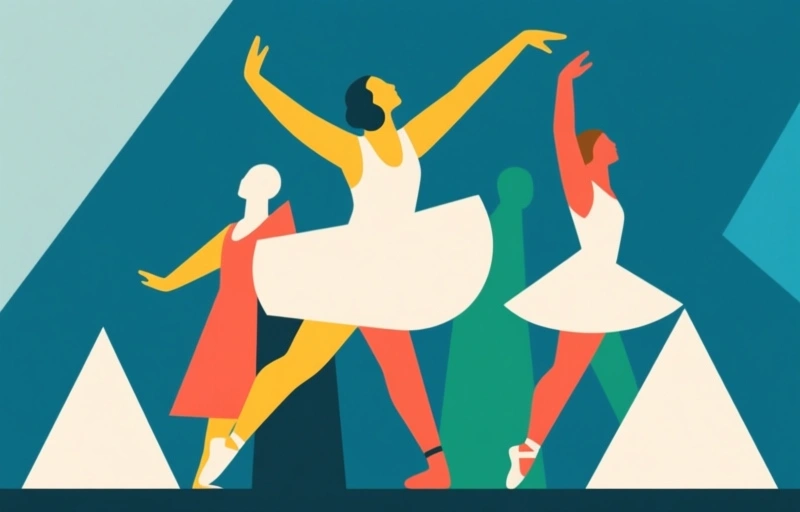
Pina Bausch's powerful words, 'Dance, otherwise we are lost,' are a call to action for dance professionals. This article explores why dance studios and choreography are essential for human connection, emotional wellness, and artistic survival in today's world.
You know that feeling, right? When the world gets a little too loud, a little too heavy. For dance professionals like us, the answer has always been in the movement. The legendary choreographer Pina Bausch once said, "Dance, otherwise we are lost." Those words hit different now, don't they? They're not just a quote for a studio wall. They're a battle cry. A reminder of why what we do in studios and on stages across the country isn't just a hobby—it's a lifeline.
We're in the business of human connection. Every class you teach, every routine you choreograph, it's about translating feeling into motion. In a world that often feels disconnected, dance studios become sanctuaries. They're places where people come to find themselves, to express what words can't, and to simply be present in their bodies. That's a powerful thing to facilitate.
### The Core Mission of Every Dance Professional
Your role goes far beyond teaching steps. Think about it. You're creating a space where:
- **Emotional release is safe.** Students walk in with the weight of their day and leave a few pounds lighter.
- **Community is built.** Lifelong friendships form at the barre and in the center floor.
- **Physical and mental wellness are prioritized.** It's a full-body, full-spirit workout.
- **Artistic expression is mandatory.** There's no right or wrong, just honest movement.
That last point is crucial. We're not just training technicians; we're nurturing artists. We're giving people permission to explore, to be vulnerable, and to tell their stories without saying a word.
### Making the Philosophy Practical
So how do we live by Bausch's directive in our daily work? It starts with intention. It's about shifting the focus from perfect pirouettes to authentic participation. Ask yourself: is my studio a place where people feel free to move, or are they afraid to make a mistake? The energy you cultivate as an instructor or studio owner sets the entire tone.
Remember why you fell in love with dance in the first place. That spark, that pure joy of movement—that's what you're selling. Not just a class schedule, but an experience. An essential one.
> "Dance, otherwise we are lost." Let that sit for a second. It frames dance not as entertainment, but as necessity. As survival.
This perspective changes everything. It elevates our work from extracurricular to essential. When you plan your next season, consider themes that connect to the human experience. Build choreography that asks questions, not just that shows off skills. Create a culture in your studio where every body is welcome, and every voice—spoken through movement—is heard.
### The Ripple Effect of Our Work
The impact of a single dance class can travel for miles. A student gains confidence in your studio and carries it into a school presentation. An adult finds stress relief in your evening contemporary class and is a more patient parent at home. That's the real magic. We're not just teaching people to dance; we're equipping them with tools for life. Resilience, discipline, creativity, and the sheer courage to be seen.
For choreographers, this means digging deeper. Your next piece isn't just a sequence of steps to music. It's a conversation with your audience. What do you want them to feel? What story, however abstract, are you trying to tell? Your creative choices have weight.
In the end, Bausch got it right. In a chaotic world, dance is a compass. It grounds us, connects us, and reminds us of our shared humanity. Your studio, your classes, your choreography—they're all part of keeping that compass pointed true north. So keep creating that space. Keep encouraging that movement. Because honestly, what would we be without it?