When Duty Calls: Lessons from the Southport Tragedy
Julia Wagner ·
Listen to this article~4 min
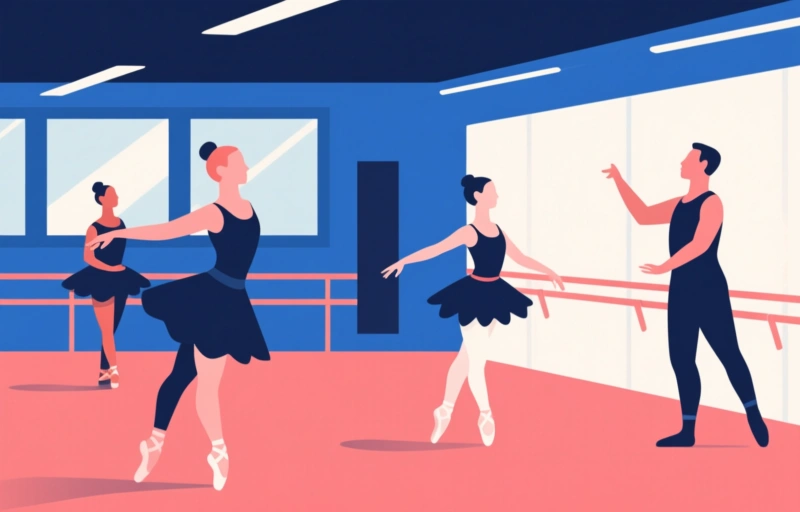
A look at the moral duty to report warning signs, inspired by the Southport tragedy. How dance professionals can apply these lessons to create safer spaces.
### Understanding the Moral Duty to Report
The recent Southport case has sparked a lot of tough conversations. A young man committed a terrible act, and now his parents are being called out for failing in what many see as a basic moral duty: reporting their son before things went too far.
It's a gut-wrenching situation. No parent wants to believe their child could do something so horrific. But when warning signs are there, what responsibility do we have to act? This isn't about blame for the sake of it—it's about understanding how we can prevent future tragedies.
### What Does "Moral Duty" Really Mean?
Moral duty isn't a legal term you'll find in a law book. It's more about the ethical obligation we have to protect others from harm. In the Southport case, the argument is that the parents saw troubling behavior in their son and chose not to report it to authorities.
- Ignoring red flags can have devastating consequences.
- Reporting concerns isn't about punishing someone—it's about getting them help.
- Early intervention could stop a crisis before it starts.
Think of it like this: if you see smoke coming from a neighbor's house, you'd call the fire department. You wouldn't wait until the whole block was up in flames. The same logic applies here, but it's much harder when the "smoke" is coming from someone you love.

### The Weight of Warning Signs
So, what kind of warning signs might someone display? It's not always obvious. In many cases, it's a pattern of behavior that builds over time. Parents might notice:
- Extreme isolation from friends and family.
- Obsession with violence or disturbing content.
- Sudden changes in mood or anger issues.
- Threats or talk about harming others.
None of these things automatically mean someone will commit a violent act. But when multiple signs are present, it's worth paying attention. The key is balancing love for your child with concern for public safety.
### How Dance Studios and Choreographers Can Apply This
You might be wondering: what does this have to do with dance? More than you think. As a dance studio owner or choreographer, you work with people of all ages. You see them when they're passionate, frustrated, or sometimes struggling.
You're not a therapist, but you are a trusted adult in their lives. If you notice a student or colleague showing concerning behavior, you have a chance to make a difference.
> "It's better to ask a difficult question than to live with the regret of staying silent."
### Practical Steps for Creating a Safe Environment
Whether you run a studio or teach classes, here are a few things you can do to foster safety and awareness:
- **Open communication**: Let your students know they can talk to you about anything.
- **Set clear expectations**: Make it known that bullying, threats, or violent talk won't be tolerated.
- **Know the resources**: Have contact info for local mental health services and hotlines handy.
- **Trust your gut**: If something feels off, don't ignore it. Check in with the person or talk to a supervisor.
### Final Thoughts
The Southport case is a heavy reminder that we all have a role in keeping our communities safe. It's not about pointing fingers—it's about stepping up when it matters most.
For those of us in the dance world, we have a unique opportunity. We build relationships based on trust and creativity. Let's use that connection to look out for one another, both on and off the dance floor.