Strength and Grace: Inside The Royal Ballet School
Julia Wagner ·
Listen to this article~3 min
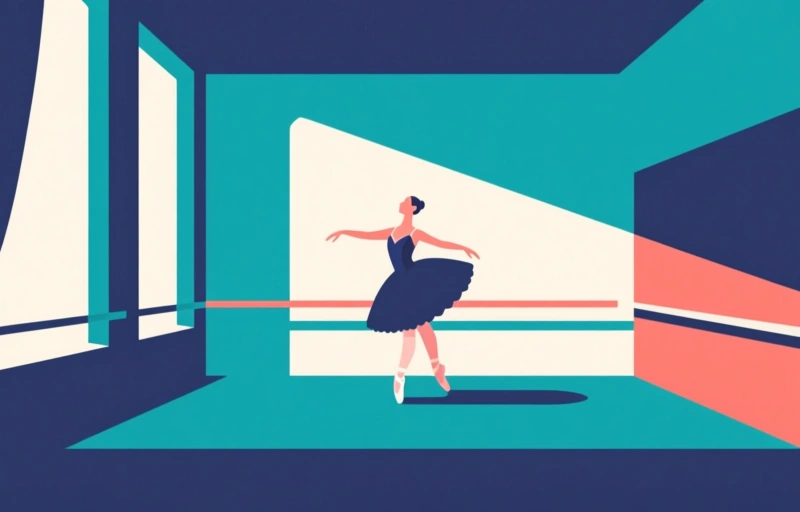
Discover how The Royal Ballet School's training philosophy blends technical precision with artistic expression. Insights for dance professionals on building stronger, more expressive dancers.
You know that feeling when you watch a ballet dancer move? That perfect blend of raw power and delicate artistry. It doesn't just happen. It's forged in places like The Royal Ballet School, where discipline meets passion in every plié and pirouette.
For dance studio owners and choreographers, understanding that training process is gold. It's about more than just steps. It's about building artists from the ground up.
### The Foundation of Elite Training
What makes a school like this tick? It starts with an insane attention to detail. We're talking about training that shapes both body and mind. Students spend hours in studios that have seen generations of talent. They learn that strength isn't just physical—it's mental resilience when you're exhausted but have one more combination to perfect.
Their daily schedule would make most adults weep. Morning technique classes focus on pure mechanics. Afternoons dive into repertoire and character work. Evenings? Often more rehearsals. It's a marathon, not a sprint, building endurance that translates to those breathtaking three-act performances.

### Building the Dancer's Instrument
Here's something we can all learn from: they treat the body like a fine instrument. The conditioning is specific:
- Targeted strength work for jumps and lifts
- Flexibility training that respects anatomical limits
- Nutritional guidance to fuel 6-8 hour training days
- Recovery protocols that are non-negotiable
That last point is crucial. In our own studios, we sometimes push through. They teach that smart recovery is what prevents injuries and extends careers. It's a long-game mentality.
### The Mental Game of Performance
Technical skill gets you in the door. Artistry gets you remembered. The Royal Ballet School emphasizes something we sometimes overlook: performance quality from day one. It's not just hitting the positions. It's about telling a story with your entire being.
One former instructor put it perfectly: "We're not training technicians. We're cultivating artists who happen to have extraordinary technique."
That mindset shift changes everything. Suddenly, that tendu isn't just pointing your foot. It's the beginning of a gesture that might convey longing, joy, or sorrow.
### Applying These Principles Locally
Now, I'm not saying we need to replicate their entire program. Most of us don't have their resources or history. But we can borrow their philosophy.
Start small. Maybe it's emphasizing the 'why' behind an exercise. Or dedicating 10 minutes of each class to performance quality. Perhaps it's being more intentional about discussing anatomy and injury prevention.
Our students might not be heading to Covent Garden. But they deserve training that respects both their physical potential and artistic spirit. That's where the magic happens—when technical precision meets human expression.
At the end of the day, whether you're training future professionals or teaching recreational dancers, the goal is similar. We're helping people discover their own version of strength and grace. And honestly, that's pretty beautiful to witness.