Simple Exercises to Prevent Falls in Older Women
Julia Wagner ·
Listen to this article~4 min
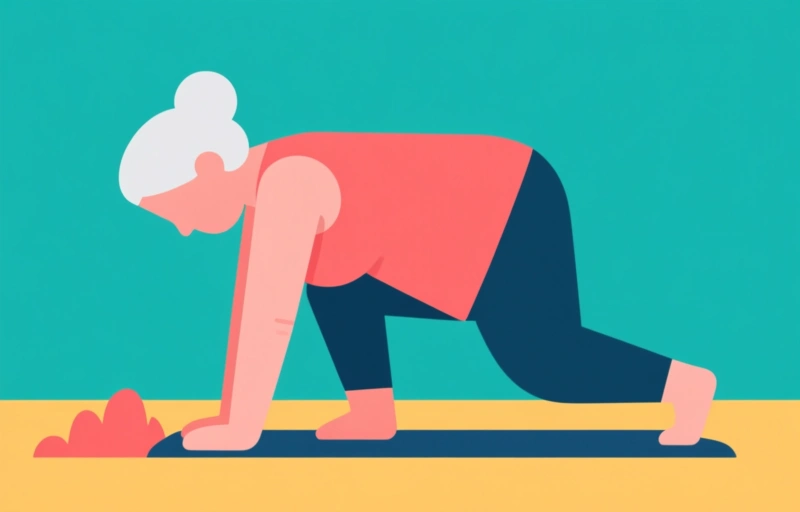
Discover how simple balance exercises taught in dance studios can significantly reduce fall risks for older women. Practical tips for dance professionals to incorporate safety into movement classes.
Hey there. Let's talk about something that doesn't get enough attention in dance studios and fitness spaces—keeping our older students safe and strong. I was reading about fall prevention recently, and it struck me how much this connects to what we do every day as movement professionals.
We're in the business of teaching balance, coordination, and body awareness. Those aren't just dance skills—they're life skills, especially for older women who face higher risks from falls. The statistics are sobering, but the solution might be simpler than you think.
### Why Balance Matters More Than You Realize
Think about it. Every dance class we teach is essentially a balance workshop. From that beginner trying to hold a simple pose to the advanced student mastering a complex turn, we're building stability from the ground up. For older women, this training becomes crucial outside the studio too.
A fall can mean more than just a bruise. It can lead to fractures, hospital stays, and a loss of confidence that keeps people from moving at all. That's the opposite of what we want for our students. We want them dancing through life, not fearing it.
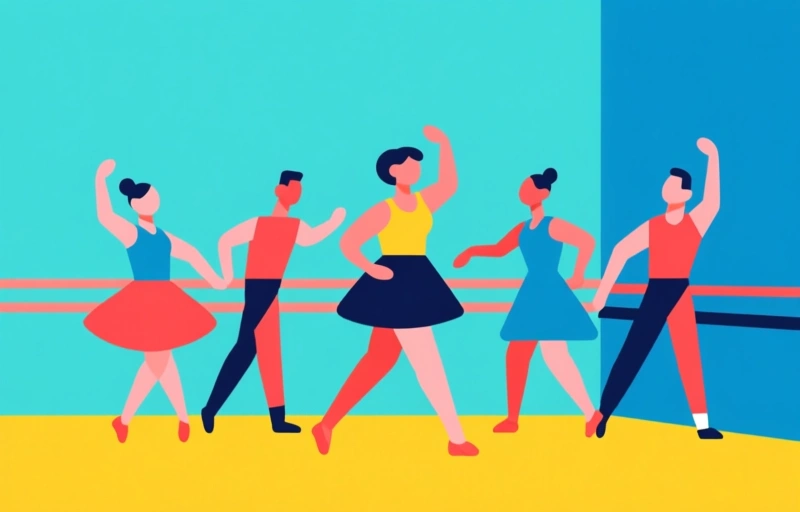
### Exercises You're Probably Already Teaching
Here's the good news—you don't need special equipment or certification to incorporate fall prevention. You're likely already doing these exercises in your classes:
- **Single-leg balances** (think passé holds or simple relevé)
- **Weight transfers** (basic box steps or side-to-side movements)
- **Heel-to-toe walking** (like a slow, controlled march)
- **Chair squats** (perfect for warm-ups or cool-downs)
- **Arm reaches with stability** (adding port de bras while maintaining posture)
These aren't complicated moves. In fact, they're foundational. But when we focus on them intentionally with older students, we're building neural pathways and muscle memory that could prevent a serious fall.
### Making It Practical for Your Studio
So how do you actually implement this? Start small. Dedicate five minutes at the beginning or end of class to balance work. Frame it as 'foundation building' rather than 'fall prevention'—the latter can sound clinical or scary.
Use the barre or a sturdy chair for support initially. Progress to doing exercises in the center. The key is consistency, not complexity. As one of my mentors used to say:
> "The simplest movements, repeated with attention, create the deepest change."
That applies here perfectly. These exercises work because they're accessible. A student doesn't need to be a former ballerina to benefit. She just needs to show up and try.
### The Bigger Picture for Dance Professionals
This isn't just about adding another class to your schedule. It's about recognizing that what we teach has value far beyond the studio walls. When we help an older woman feel steadier on her feet, we're giving her back independence.
Consider offering a weekly 'Balance & Movement' class specifically for older adults. Price it accessibly—maybe $15-$20 per session. Market it not as dance, but as 'movement for life.' You'll be surprised who shows up.
Remember, we're not medical professionals. We're movement guides. Our role is to create safe, supportive environments where people can explore what their bodies can do at every age. That's powerful stuff.
So next time you're planning your beginner ballet or gentle flow class, think about those simple balance exercises. You might be teaching more than dance steps—you might be teaching confidence that lasts a lifetime.