Simple Exercises to Prevent Falls in Older Women
Julia Wagner ·
Listen to this article~4 min
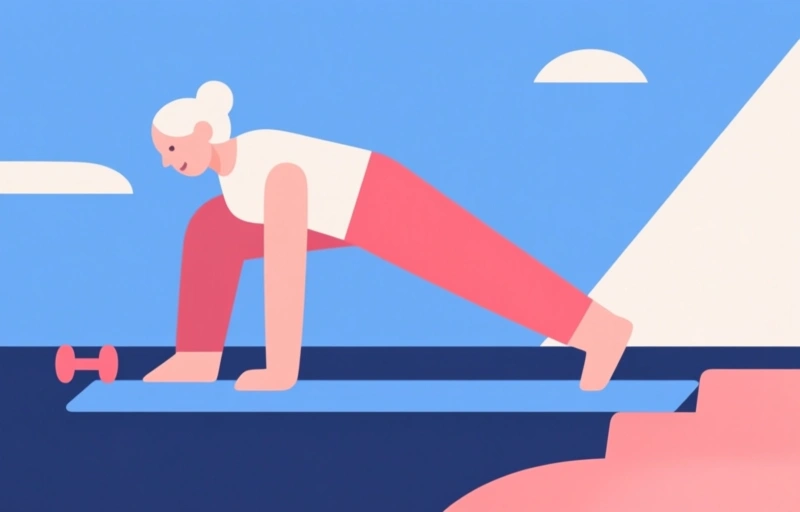
Discover simple, effective exercises dance professionals can teach to help older women prevent falls and build confidence. Learn practical movements that strengthen balance and stability.
You know that moment when you're teaching a class and you see one of your senior students hesitate before a step? That tiny pause where confidence wavers? It happens more than we'd like to admit. Falls are a serious concern for older women, but here's the good news—simple, targeted exercises can make a world of difference. And as dance professionals, we're uniquely positioned to help.
Think about it. We already understand balance, coordination, and strength. We just need to apply that knowledge in a slightly different way. This isn't about complicated choreography. It's about foundational movements that build stability from the ground up.
### Why Balance Matters More Than You Think
Let's talk numbers for a second. According to health data, one in four adults over 65 falls each year. For women, the risk is even higher due to factors like bone density changes. But here's what's really interesting—most falls happen during everyday activities, not during complex movements. That means simple interventions can have huge impacts.
As dance instructors, we see bodies in motion every day. We notice when someone's weight distribution is off or when their core isn't engaged. That observational skill is exactly what makes us perfect for teaching fall prevention.

### Exercises You Can Start Teaching Tomorrow
These aren't fancy moves. They're basic, effective, and can be easily incorporated into existing classes or taught as standalone sessions:
- **Heel-to-Toe Walking**: Have students walk in a straight line, placing the heel of one foot directly in front of the toes of the other. It sounds simple, but it dramatically improves balance control. Start with just 10 feet and gradually increase distance.
- **Single-Leg Stands**: Hold onto a barre or chair for support. Lift one foot just an inch or two off the floor. Hold for 10 seconds, then switch. The goal isn't height—it's stability. Progress to doing it without support as confidence grows.
- **Sit-to-Stand Transitions**: From a standard chair (about 18 inches high), practice standing up without using hands. Focus on smooth, controlled movements. Do 5-10 repetitions. This builds the exact muscles needed for getting up from sofas, toilets, and car seats.
- **Side Leg Raises**: Holding onto support, lift one leg out to the side. Keep the movement controlled and the torso stable. This strengthens hip abductors—critical muscles for maintaining balance during lateral movements.
Here's something I tell my students that always resonates: "Balance isn't about being perfectly still. It's about knowing how to recover when you're not."
### Making It Work in Your Studio
You don't need special equipment. You don't need to create entirely new classes. Start by incorporating one or two of these exercises into your existing warm-ups or cool-downs. For senior-focused classes, dedicate 10-15 minutes specifically to balance work.
Remember to emphasize safety. Always have stable support available. Encourage students to work at their own pace. And celebrate small victories—that first time someone does a single-leg stand without holding on? That's a win worth acknowledging.
### The Bigger Picture
What we're really teaching isn't just physical stability. It's confidence. It's the assurance that their bodies can still move safely and effectively. That psychological benefit might be even more valuable than the physical one.
Consider offering specialized workshops. Market them not just as "fall prevention" but as "confidence-building" or "stability training." You're providing a service that goes beyond dance—you're helping people maintain their independence and quality of life.
The beautiful thing is that these exercises benefit everyone, not just older students. Younger dancers improve their technique. Intermediate students develop better body awareness. It's a win across the board.
So next time you're planning your classes, think about how you can weave in these simple movements. Your students will thank you—not just with their words, but with their continued presence in your studio, moving with more confidence and joy than ever before.