Sharing South Indian Dance: A Transformative Journey in…
Julia Wagner ·
Listen to this article~4 min
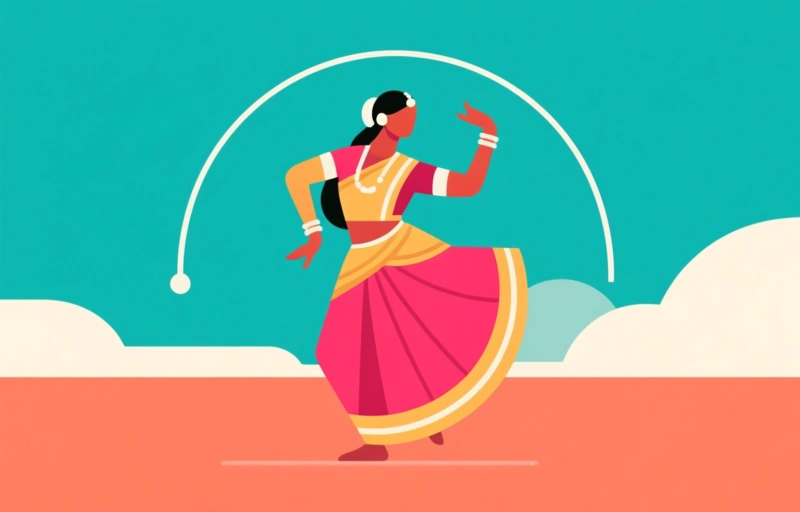
Discover how Aparna Pavithran's journey teaching South Indian classical dance in Bristol creates transformative cultural connections and builds vibrant community through shared artistic expression.
Let's talk about something that moves people. Literally. It's not just about steps and rhythms; it's about connection, culture, and that feeling you get when you share something you love. That's exactly what Aparna Pavithran discovered when she started teaching South Indian classical dance traditions right in the heart of Bristol.
You know that spark when you introduce someone to a passion of yours? It's electric. For Aparna, bringing the intricate movements and rich storytelling of forms like Bharatanatyam to a new community became more than a class. It became a transformative experience for everyone involved.
### The Heart of the Tradition
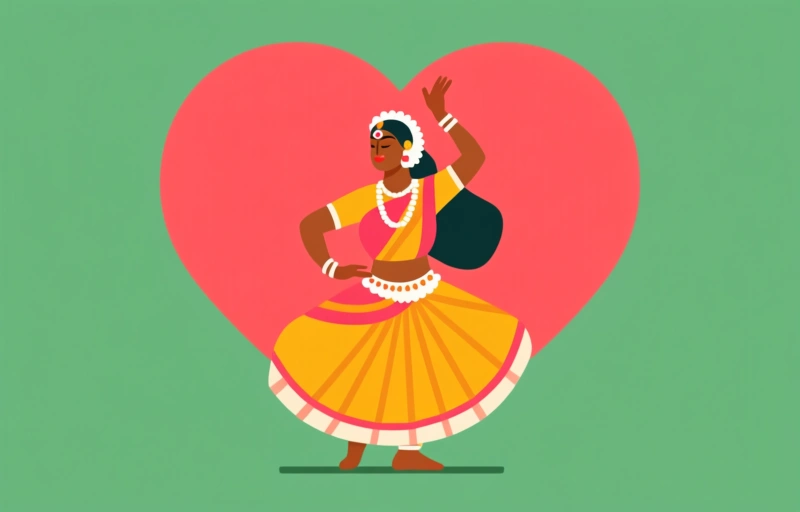
South Indian classical dance isn't just performance. It's a language. Each gesture, each facial expression, each foot stamp tells a part of an ancient story. Think of it like a living, breathing history book, but way more beautiful to watch. The discipline is intense—we're talking years of dedicated practice to master the forms. But the payoff? It's a profound connection to art, spirituality, and physical expression all rolled into one.
Aparna's journey into teaching wasn't about creating perfect dancers overnight. It was about opening a door. She wanted to show people in Bristol that this art form was accessible. That they could touch this piece of a culture that might feel distant, and find something personal in it.
### Building a Community, Step by Step
So, what does building a dance community look like in a city like Bristol? It starts with curiosity. People came with questions. What do those hand gestures mean? What's the story behind that rhythm? Aparna found herself not just teaching choreography, but explaining mythology, music, and the philosophy woven into every movement.
Her classes became a space for cultural exchange. Students weren't just learning steps; they were engaging in a dialogue. They brought their own experiences, their own interpretations. And that's where the real magic happened. The tradition wasn't being preserved in a glass case; it was being lived, breathed, and adapted in a new context.
Here’s what students often discover in this process:
- A new way to understand physical discipline and grace
- The deep narrative power of non-verbal storytelling
- A surprising cardiovascular workout (those dances are no joke!)
- A sense of belonging to a shared, creative pursuit
One student put it perfectly: *"I walked in thinking I'd learn a dance. I walked out feeling like I'd touched a piece of history and found a new part of myself."*
That's the joy Aparna talks about. It's the joy of seeing someone's eyes light up when they finally nail a complex sequence. It's the quiet concentration in the studio, broken only by the sound of bare feet on the floor and the rhythm of the music. It's the shared laughter when things go hilariously wrong, and the collective pride when they go wonderfully right.
### Why This Work Matters Now
In a world that can feel increasingly fragmented, these cultural bridges matter more than ever. A dance studio becomes more than four walls and a mirror. It becomes a microcosm of understanding. By sharing South Indian classical dance, Aparna isn't just preserving an art form; she's actively contributing to the cultural fabric of her city.
She's showing that traditions can travel. They can take root in new soil and flourish in unexpected ways. The students in Bristol aren't just replicating movements from thousands of miles away; they're making them their own. And in doing so, they're keeping the tradition alive, vibrant, and relevant.
It's a reminder that art is a conversation, not a monologue. Whether you're a studio owner, a choreographer, or someone who just loves to move, there's a lesson here. The most powerful experiences often come from sharing what you know and being open to what others bring to the floor. That's where transformation happens—for the teacher, the student, and the art itself.