Senior Dance Classes: Stretching and Moving Together
Julia Wagner ·
Listen to this article~5 min
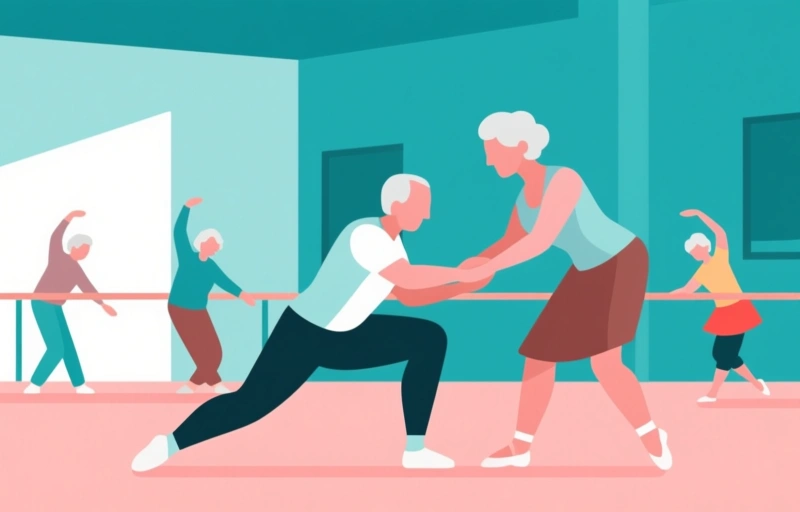
Discover how senior dance and stretch classes are helping older adults stay active, social, and healthy. Learn what to expect and how to get involved in these community programs.
It's easy to assume that dance classes are only for the young and flexible. But a growing number of community programs are proving that movement has no age limit. In fact, senior dance and stretch classes are popping up in cities across the United States, offering older adults a chance to stay active, social, and happy.
These classes aren't about perfect pirouettes or complex choreography. They're about finding joy in movement, improving balance, and building a sense of community. Let's take a closer look at what makes these programs so special and how they can benefit the senior community.
### Why Movement Matters for Seniors
As we age, staying active becomes more important than ever. Regular movement helps maintain mobility, reduces the risk of falls, and can even boost mental health. Dance, in particular, offers a unique combination of physical and cognitive benefits.
- **Improved balance and coordination:** Dance routines challenge the body to move in new ways, which strengthens stabilizing muscles.
- **Better cardiovascular health:** Even gentle dancing gets the heart pumping, improving circulation and stamina.
- **Enhanced mental sharpness:** Learning new steps and sequences keeps the brain engaged and active.
- **Social connection:** Group classes provide a welcoming environment for making friends and reducing feelings of isolation.
Many seniors find that these classes give them something to look forward to each week. It's not just exercise—it's a reason to get out of the house and connect with others.
### What a Typical Senior Dance Class Looks Like
If you've never been to a senior dance class, you might be surprised by how accessible and fun they are. Most classes start with a gentle warm-up, often done from a seated or standing position. Instructors focus on stretching major muscle groups and getting the blood flowing.
"I was nervous at first, but everyone was so welcoming," says one participant from a recent class in Wilson. "We start with simple stretches, then move into easy dance steps. It's not about being perfect. It's about moving and having fun."
After the warm-up, the instructor leads the group through a series of low-impact dance moves. The music is usually upbeat and familiar—think oldies, swing, or even some country tunes. The steps are broken down slowly, and modifications are offered for those with limited mobility.
### The Role of a Dance Choreographer
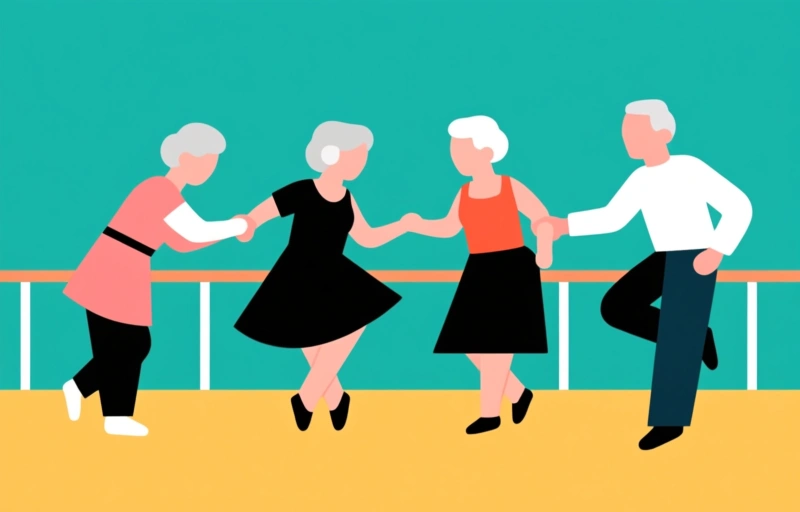
A skilled dance choreographer is key to making these classes successful. They need to understand the physical limitations of older adults while still creating routines that feel rewarding and fun. This means choosing movements that are safe for joints, avoiding sudden turns or jumps, and pacing the class to allow for breaks.
Good choreographers also know how to read the room. If a particular move is too challenging, they'll offer alternatives. If the energy is high, they might pick up the tempo a bit. It's a delicate balance, but when done right, the results are amazing.
> "Dance is a celebration of life, no matter your age. Seeing the smiles on our seniors' faces after a class is the best reward." — Local Dance Instructor
### How to Get Involved
If you're a dance studio owner, choreographer, or instructor looking to start a senior program, here are a few tips to get going:
- **Partner with local senior centers or community groups** to find interested participants.
- **Keep the cost low or free** for the first few sessions to encourage attendance. Many studios offer a discounted rate of around $5 to $10 per class.
- **Choose a space that's accessible**, with plenty of seating and non-slip flooring.
- **Promote the classes through local newspapers, community bulletin boards, and social media** to reach seniors and their families.
For seniors who want to join, check with your local parks and recreation department or senior center. Many cities offer free or low-cost classes that are open to all.
### The Future of Senior Dance Programs
As the population ages, the demand for senior-friendly fitness programs will only grow. Dance classes offer a unique blend of physical activity, mental stimulation, and social connection that can greatly improve quality of life. Whether you're a professional looking to expand your offerings or a senior wanting to try something new, there's never been a better time to get moving.
So put on some comfortable shoes, find a class near you, and remember—dance is for everyone, at every age.