Senior Dance Classes: Boosting Community Health & Arts
Julia Wagner ·
Listen to this article~4 min
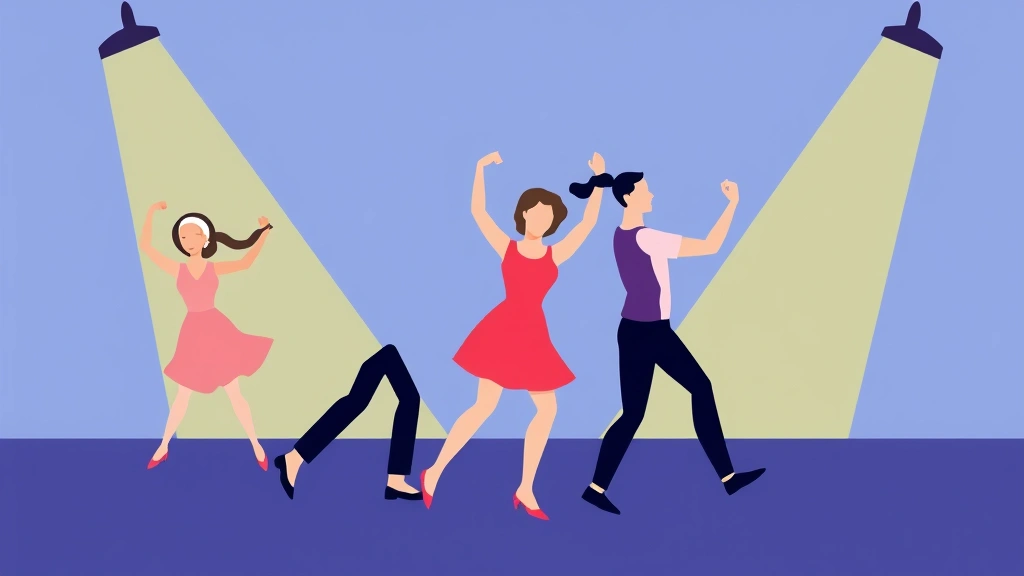
Discover how senior dance classes create powerful community connections while boosting physical and mental health. Learn why this approach benefits dance studios and strengthens our cultural fabric.
You know, I was thinking the other day about my own grandma. She's in her late 70s, and honestly, she's got more energy than I do some days. But I've seen how easy it is for older adults to become isolated. That's why this topic of dance classes for seniors really hits home for me. It's not just about learning steps—it's about connection, movement, and something much bigger.
When we talk about dance classes for older people, we're really talking about a powerful tool for community wellbeing. Think about it. These classes create spaces where people can move, laugh, and connect. They're not just exercise sessions—they're social hubs that happen to have great music.
### The Physical Benefits Are Just the Start
Sure, the physical benefits are obvious. Improved balance, better flexibility, stronger muscles. All crucial for maintaining independence. But here's what often gets overlooked: the mental and emotional lift. When you're moving to music with others, you're not just exercising your body. You're giving your brain a workout too. Memory, coordination, mood—all of it gets a boost.
I remember talking to a studio owner who told me about one of her students, a retired teacher in her 80s. She started coming to class after her husband passed away. At first, she just sat in the back. Now? She's helping newcomers learn the basics and organizing post-class coffee meetups. That's transformation.
### How This Strengthens Our Cultural Fabric
This is where it gets really interesting. When we integrate senior dance programs into our broader arts and culture strategy, something magical happens. We're not just offering classes—we're creating intergenerational connections and preserving cultural traditions.
Consider these ripple effects:
- Older adults sharing traditional dances with younger generations
- Community performances that bring diverse age groups together
- Local artists finding new audiences and purposes for their work
- Health care costs potentially decreasing through preventative activity
It's what some experts call a 'joined-up approach'—connecting health, arts, and community services so they work together instead of in separate silos.
### What This Means for Dance Studios & Instructors
If you're running a studio or teaching classes, this represents a real opportunity. The senior demographic is growing rapidly, and many have both the time and resources to engage with quality programming. But here's the key: it has to be authentic.
Don't just offer 'senior versions' of existing classes. Really think about what this audience needs and wants. Slower progressions, chairs for support when needed, music that spans generations, and above all—a welcoming, non-judgmental atmosphere.
As one instructor told me, 'It's not about perfect technique. It's about joy in movement.' That philosophy changes everything.
### The Bigger Picture We Often Miss
Here's my favorite part of all this. When we create spaces where older adults can thrive creatively, we're not just helping them. We're helping ourselves. We're building communities where aging is seen as another chapter of life, not the end of participation.
These classes become micro-communities. They combat loneliness. They keep cultural traditions alive. They even create new economic opportunities for artists and studios. It's one of those rare situations where doing good for one group ends up benefiting everyone.
So next time you're planning your studio's offerings or thinking about community programming, consider this: senior dance classes might just be one of the most impactful things you can offer. For your business, for your community, and honestly, for society as a whole. The music's playing—who's ready to dance?