Saving Europe's Dance Heritage for Future Generations
Julia Wagner ·
Listen to this article~5 min
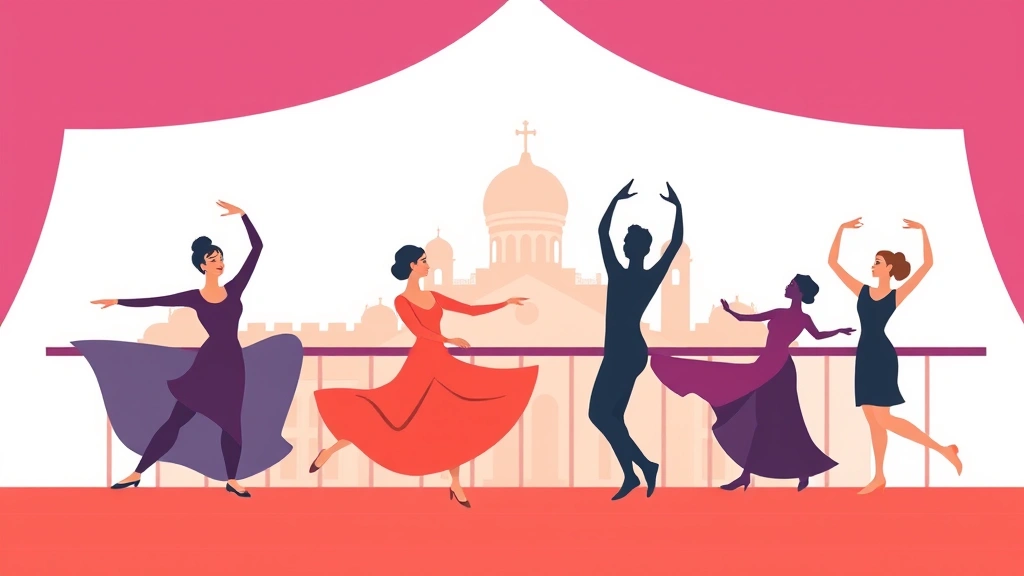
Traditional European dances are disappearing, but there's hope. Learn how dance professionals can help preserve this rich heritage for future generations.
Dance is more than just movement. It's history, culture, and emotion all rolled into one. But across Europe, traditional dance forms are fading away, and that's a loss we can't afford to ignore.
Think about it: every time a dance style disappears, we lose a piece of who we are. That's why preserving Europe's dance heritage isn't just about nostalgia—it's about keeping our stories alive for the next generation.
### Why Dance Heritage Matters
Dance tells us where we come from. Each step, each gesture, each rhythm carries centuries of meaning. Whether it's a lively folk dance from a small village or a formal court dance from a grand palace, these traditions connect us to our roots.
But here's the thing: many of these dances are disappearing. Younger generations aren't learning them. And once they're gone, they're gone for good.
That's a big deal. Because dance isn't just entertainment—it's a living archive of human experience.
### The Challenge We Face
Preserving dance isn't like saving a painting or a book. You can't just put it in a museum and call it done. Dance is alive. It needs people to perform it, teach it, and pass it on.
Some of the biggest challenges include:
- **Lack of documentation**: Many traditional dances were never written down. They were taught by demonstration, passed from teacher to student.
- **Aging practitioners**: The people who know these dances are getting older. Without new dancers, the knowledge dies with them.
- **Changing tastes**: Modern dance styles are more popular. Traditional forms can feel outdated or uncool to young people.
- **Funding shortages**: Preservation efforts need money for recordings, classes, and performances. That funding is often hard to come by.
It's a tough situation. But there's hope.
### How Technology Is Helping
Here's where things get interesting. Technology is stepping in to help save these dances. Video recordings, motion capture, and digital archives are making it possible to document movements in ways we never could before.
Imagine being able to watch a dance from 100 years ago, step by step. That's what these tools can do.
Some projects are even using 3D modeling to recreate dances that have already been lost. It's like bringing history back to life.
### What Dance Professionals Can Do
If you're a dance studio owner, choreographer, or teacher, you have a unique role to play. You're on the front lines of preserving this heritage.
Here are a few things you can start doing today:
- **Learn a traditional dance**: Pick one style and really dig into it. Understand its history and meaning.
- **Teach it to your students**: Incorporate traditional dances into your classes. Make them part of your curriculum.
- **Record and share**: Use video to document performances. Share them online to spread awareness.
- **Collaborate with cultural organizations**: Partner with museums, historical societies, or folk groups to create events and workshops.
> "Dance is the hidden language of the soul." — Martha Graham
That quote hits home, doesn't it? When we preserve dance, we're preserving a language that speaks to who we are.
### The Bigger Picture
Saving Europe's dance heritage isn't just about the past. It's about the future. These dances can inspire new choreography, bring communities together, and give people a sense of identity.
And here's the beautiful part: once you start exploring these traditions, you realize they're not as different as you might think. A folk dance from Italy and one from Ireland might share the same joy, the same energy, the same human spirit.
### Take the First Step
You don't have to do everything at once. Start small. Maybe it's learning one new dance this month. Maybe it's hosting a heritage-themed workshop at your studio.
The important thing is to start. Because every dance you learn, every step you teach, every performance you record—it all adds up.
And one day, a dancer 50 years from now will thank you for it.
So go ahead. Dig into that old dance. Share it with your students. Let it live on.
Because dance isn't just movement. It's memory. And memories deserve to last.