Russell Maliphant's Landscapes: A Mesmeric Dance of Light
Julia Wagner ·
Listen to this article~4 min
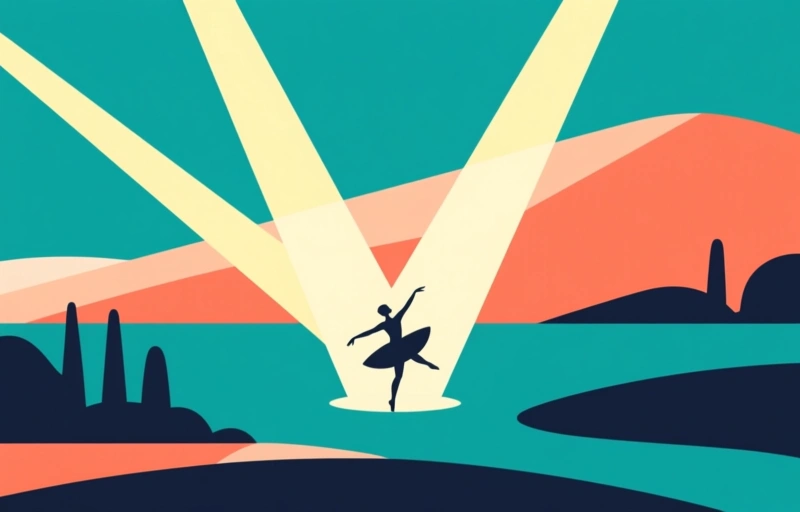
Explore how Russell Maliphant's 'Landscapes' masterfully blends dance and light, offering profound insights for studio owners and choreographers on creating immersive, atmospheric experiences.
If you're a dance professional, you know that truly transformative work doesn't just happen on the floor. It's born from a fusion of elements, a conversation between bodies and the space they inhabit. That's exactly what choreographer Russell Maliphant explores in his latest collection, "Landscapes." It's not just a performance; it's an experience that lingers long after the curtain falls.
I've been thinking a lot about what makes a dance piece stick with you. It's often the feeling it creates, the atmosphere. Maliphant gets this. His work has always played with light and shadow, but in "Landscapes," he takes it to another level. The light isn't just illumination here. It's a co-choreographer, shaping the dancers' movements and carving out emotional spaces on stage.
### The Alchemy of Movement and Light
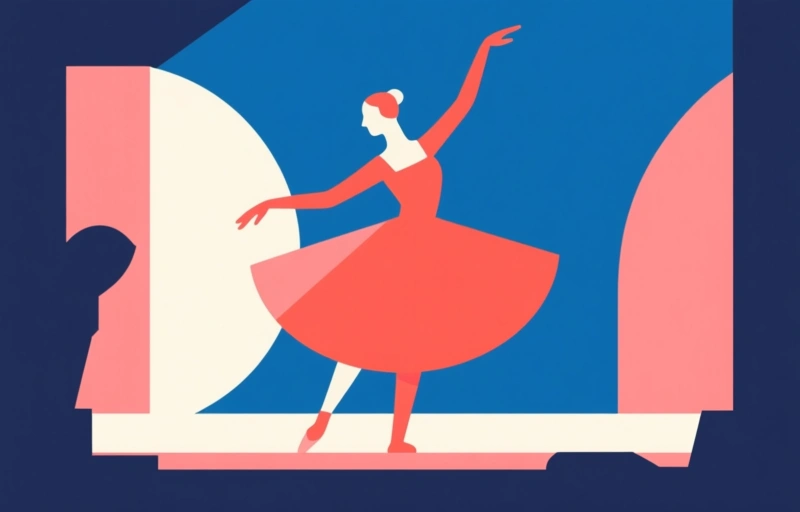
Watching this work is like seeing a living painting. The dancers move with a fluid, almost hypnotic grace. Their motions are meditative, drawing you into a state of focused calm. But then the light shifts. A pool of gold highlights a curve of a spine. A sharp shadow elongates a leap, making it seem to stretch for miles. The interplay is seamless. You stop seeing separate elements—dancer, light, music—and start seeing a single, breathing entity.
For studio owners and choreographers, there's a powerful lesson here. It's about intentionality in every aspect of production. Maliphant's work asks us:
- How can we use our environment as an active participant in the story?
- What emotional tones can lighting design set before a single step is taken?
- How does simplifying one element (like movement) amplify the impact of another (like light)?
It's a masterclass in less being more, where restraint creates profound depth.
### Why This Matters for Your Studio
You might be wondering, "That's great for a big stage, but what about my 1,500-square-foot studio with fluorescent lights?" The principle is what's key. It's about creating an environment that supports the work. Think about the last class you taught. How did the room feel? Was the lighting harsh or gentle? Did the space itself encourage flow?
Maliphant's "Landscapes" reminds us that atmosphere is everything. It's the difference between students just learning steps and students being transported. You don't need a Broadway budget. Sometimes, it's as simple as turning off the overheads and using a few strategically placed lamps. Or using natural light from a window as a focal point. The goal is to be deliberate, to make every choice serve the dance.
As one critic aptly put it, "The work exists in the quiet space between motion and stillness, where light becomes tangible." That's the space we should all be trying to cultivate, whether we're choreographing for a festival or teaching toddlers their first plié. It's about crafting an experience that feels whole.
### Bringing the Concept Home
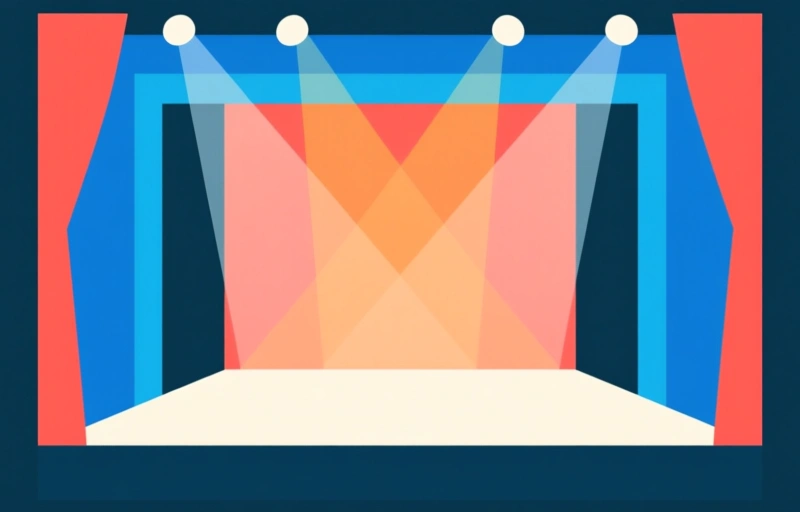
So, how do we translate this inspiration into actionable ideas? Start small. In your next choreography session, experiment with a single light source. Watch how shadows change the perception of a gesture. In class, try changing the lighting for different segments—softer for warm-up, brighter for across-the-floor exercises. Notice how it changes the students' energy and focus.
Remember, the most powerful tools are often the simplest. A dancer's breath, the arc of an arm, a shaft of light. Maliphant's genius lies in weaving these simple threads into a rich, mesmerizing tapestry. His "Landscapes" isn't just a show to watch; it's a philosophy to adopt. It challenges us to see our studios not as empty boxes, but as canvases waiting to be painted with movement and light. And that's a perspective that can transform everything you do.