Rena Butler's Dance Honors Black Womanhood
Julia Wagner ·
Listen to this article~4 min

Chicago choreographer Rena Butler creates powerful dance works that celebrate the full spectrum of Black womanhood, blending personal history with artistic innovation to reshape modern dance narratives.
Let's talk about something that moves us—literally and figuratively. Chicago-born choreographer Rena Butler is creating waves in the dance world, and it's about more than just steps. She's telling stories through movement, specifically honoring the vast, beautiful spectrum of Black womanhood. It's personal, it's powerful, and it's changing the conversation one performance at a time.
You know how sometimes art just *gets* you? That's what Butler's work aims for. She digs into the nuances of identity, history, and resilience. Her choreography isn't just a series of motions; it's a dialogue. A conversation between the past and present, between struggle and joy, all expressed through the human body.
### The Chicago Roots of a Visionary
Every artist has a starting point. For Rena Butler, it's the streets and rhythms of Chicago. That city's energy—its blend of grit and grace—seeps into her creative process. It taught her about community, about storytelling, and about finding your voice in a crowded room. Those early influences are the foundation she builds upon, bringing a uniquely grounded perspective to often abstract concepts.

### Choreography as a Form of Honor
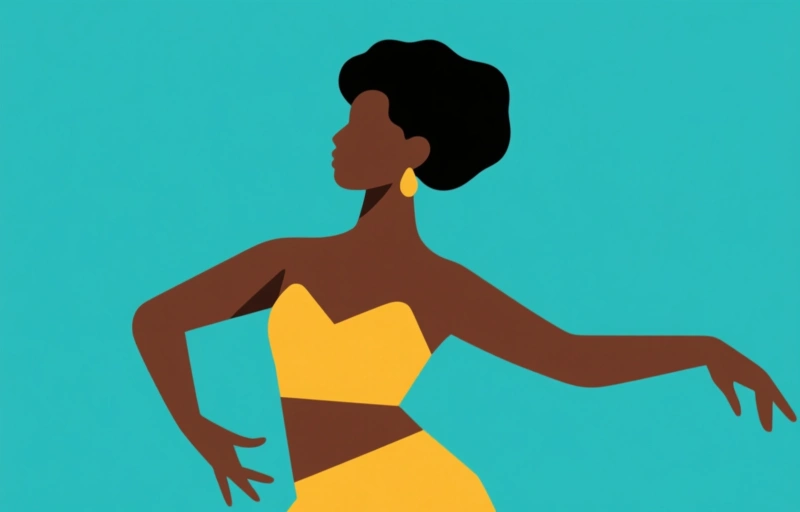
So, what does it mean to honor Black womanhood through dance? For Butler, it's about representation in its truest sense. It's moving beyond a single narrative. Her pieces explore everything from quiet introspection to explosive celebration. She showcases strength that isn't just physical, but emotional and historical.
- **Complexity:** Her work refuses to simplify. It presents Black women as multifaceted beings.
- **Heritage:** She weaves cultural history and personal memory into the fabric of her dances.
- **Embodiment:** The dancers' bodies become the medium for expressing untold stories and collective experiences.
It's a powerful reminder that art can be a sanctuary for truth.
### Why This Matters for Dance Professionals
If you run a studio, teach classes, or choreograph yourself, there's a lesson here. Audiences and students today crave authenticity. They want work that speaks to real experiences. Butler's approach shows the immense value of creating from a place of deep personal and cultural knowledge. It's not just about technique; it's about the message your movement carries.
Think about your own space. How can you foster an environment where diverse stories are not just included but centered? It might start with the music you choose, the themes you explore in class, or the choreographers you study. Butler's success proves there's a hungry audience for this depth.
As one admirer of her work might say, *“She doesn't just create dances; she builds bridges to understanding.”* That's the ultimate goal, isn't it? To connect.
### The Lasting Impact on the Industry
Rena Butler's rising prominence signals a shift. The dance world is slowly making more room for voices that have historically been on the margins. Her success paves the way for other choreographers of color to tell their specific stories without dilution. It challenges studios and companies everywhere to look at their repertoires and ask: Who's missing?
For professionals, this is an invitation to be part of that change. It's about programming performances that reflect a wider world. It's about mentorship and creating pipelines for the next Rena Butler. The impact goes beyond a single show; it reshapes the culture of an entire art form.
So, what's the takeaway? Great art resonates because it's human. Rena Butler's choreography succeeds because it honors a specific, rich humanity with incredible skill and heart. It reminds us that in dance, as in life, the most powerful movements are often those rooted in truth.