Prison Dance Documentary Premieres in Pasadena
Sarah Jenkins ·
Listen to this article~4 min
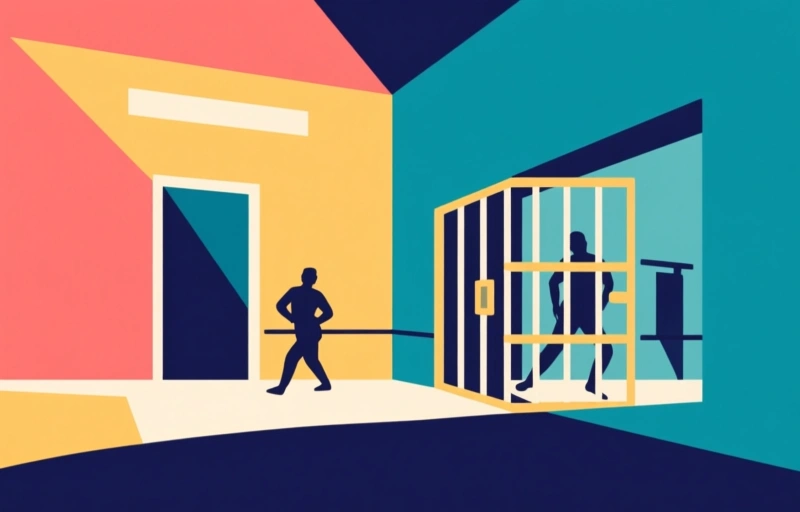
A documentary screening in Pasadena shares the powerful story of incarcerated men who continued dancing during pandemic lockdowns, offering insights about dance as rehabilitation and human connection for dance professionals.
When California prisons shut down visitation in March 2020, something remarkable happened. The men who had spent Friday afternoons dancing with choreographer Suchi Branfman at the California Rehabilitation Center didn't just stop moving. They kept creating, and now their stories are coming to Pasadena in a powerful documentary screening.
It's a story about resilience, expression, and the human need to connect even in the most restrictive environments. For dance professionals, it raises profound questions about art's role in rehabilitation and community.
### The Program That Kept Moving
Suchi Branfman's dance program inside the prison wasn't just about steps and routines. It was about building trust, finding voice, and creating a space where men could express themselves beyond their circumstances. When the pandemic hit and outside visits stopped, the program had to adapt.
But here's what's fascinating—the work continued. The participants kept developing their choreography, their movements, their stories. They found ways to maintain that creative thread even when the physical space for dance changed dramatically.
### Why This Matters for Dance Professionals
For studio owners, choreographers, and educators, this documentary offers more than just an inspiring story. It provides real insights into:
- How dance functions as a tool for personal transformation
- The adaptability of dance education in challenging environments
- The power of movement to maintain human connection during isolation
- How choreography can emerge from unexpected places and experiences
Think about your own work for a moment. How often do we consider dance's potential beyond performance and technique? This story reminds us that movement can be a lifeline, a form of communication when words fail, and a way to rebuild identity.
### The Documentary's Journey to Pasadena
The screening in Pasadena represents more than just another film showing. It's bringing these men's stories and choreography to a public audience, creating a bridge between inside and outside worlds. For the dance community in Southern California, it's an opportunity to witness how our art form functions in spaces we rarely see.
As one participant reportedly said about the program: "It wasn't about being a good dancer. It was about being present, being human together."
That statement hits home, doesn't it? In our studios and classes, we sometimes get caught up in perfect technique or competition results. But at its core, dance is about presence and shared humanity.
### What Dance Educators Can Learn
This story challenges us to think differently about our work. Whether you're teaching toddlers their first plié or coaching professional dancers, there are lessons here about accessibility, adaptation, and the deeper purposes of movement.
Consider how you might:
- Create more inclusive spaces in your own studio
- Adapt your teaching methods when circumstances change
- Help students find their authentic movement voices
- Use dance as a tool for personal expression beyond technical achievement
The pandemic forced all of us to adapt our teaching methods. This prison program shows adaptation taken to an extreme—and succeeding against significant odds.
### The Bigger Picture for Our Industry
When we watch this documentary or hear about programs like Suchi Branfman's, we're reminded that dance isn't just entertainment or sport. It's a fundamental human activity that can thrive anywhere people gather with intention to move together.
For studio owners, this might inspire new community outreach programs. For choreographers, it might spark ideas about movement originating from different life experiences. For all of us in dance education, it reinforces why we do this work in the first place.
The Pasadena screening is just one showing, but the conversations it starts could ripple through our local dance community for years. It asks us to consider who gets to dance, where dance happens, and what stories our movements can tell.
Next time you're in your studio, take a moment to appreciate the freedom of that space. Then consider how you might extend that freedom of expression to others who need it most. That's the real takeaway from this remarkable story of dance behind bars finding its way to a Pasadena screen.