NSYNC Choreographer Sues Over 'Bye Bye Bye' Dance in Deadpool & Wolverine
Julia Wagner ·
Listen to this article~5 min
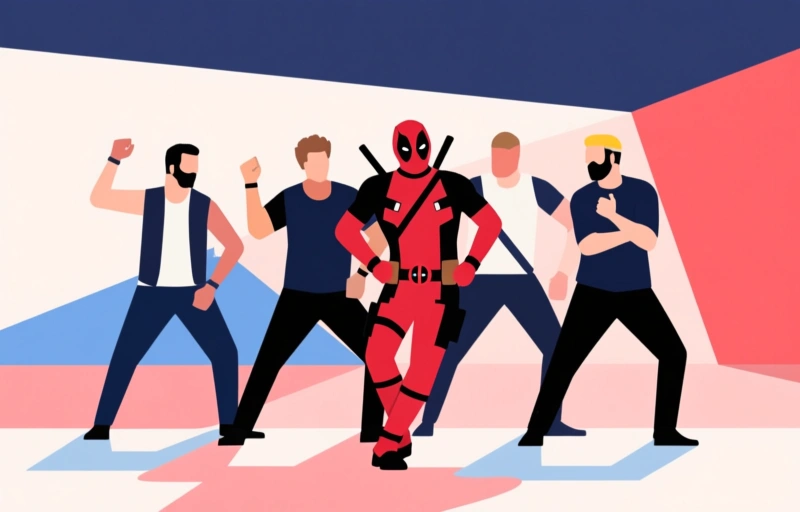
The choreographer behind NSYNC's iconic 'Bye Bye Bye' routine is suing over its alleged use in 'Deadpool & Wolverine,' sparking a major conversation about copyright, credit, and the value of dance in the entertainment industry.
You know that iconic dance from NSYNC's 'Bye Bye Bye'? The one with the sharp arm movements and that signature cross-step? Well, it's at the center of a major Hollywood legal battle right now. The choreographer who created those moves is suing over their use in the upcoming 'Deadpool & Wolverine' movie. It's a story that hits close to home for anyone in the dance world, and it raises some big questions about creative ownership.
Let's break it down. Choreography, especially for a music video that defined an era, is a protected form of intellectual property. The creator owns it. So when a major studio uses those specific, recognizable steps in a blockbuster film without permission or proper licensing, it's not just a homage—it's potentially a copyright violation. This case isn't about a similar vibe or inspired movement; it's about the alleged direct replication of a copyrighted dance routine.
### Why This Lawsuit Matters for Dance Professionals
This lawsuit is a big deal. It's a high-profile reminder that choreographic work has tangible value. For studio owners and independent choreographers, it underscores the importance of protecting your creations. Your routines, your combinations, your signature style—they're your assets. When they're used commercially, you deserve to be credited and compensated. This case could set a precedent for how the entertainment industry views and values dance copyrights moving forward.
Think about it from a business perspective. If a major film can use a choreographer's life's work without paying for it, what does that say about the value we place on dance? It sends a message that the art form is disposable, or worse, free for the taking. This legal action is, in many ways, a fight for respect. It's about establishing that choreography is as worthy of protection as a song's melody or a screenplay's dialogue.
### The Core Issue: Credit and Compensation
At its heart, this isn't just about money—though that's certainly a part of it. It's about recognition. The choreographer alleges their work was used without being asked, credited, or paid for. In an industry where visibility is currency, being left out of the credits for a film seen by millions is a significant professional blow. For dance professionals, proper attribution is everything. It's how you build a reputation and get your next gig.
Here’s what often gets missed in these discussions:
- Choreography is a documented art form, often registered with copyright offices.
- Licensing exists for a reason—to fairly compensate creators for the use of their work.
- Unauthorized use, even in a parody or comedic context, can still infringe on copyright.
The argument from studios is sometimes that it's 'fair use' or just a fun reference. But when the use is central to a promotional campaign or a key scene, the line gets blurry. The choreographer's claim suggests this wasn't a fleeting background moment, but a featured element.
As one industry insider recently noted, *'Choreography is the architecture of movement. When you copy the blueprints without permission, you're stealing the design.'* It's a powerful way to think about it. The structure, the sequence, the timing—it's all part of a protected creative design.
### What Dance Studios and Choreographers Can Learn
So, what's the takeaway for those of us running studios or creating work every day? First, document everything. Keep records of your choreography, whether it's through notation, video, or formal registration. Understand your rights. If you're hired to create work, be clear in contracts about who owns the final product and how it can be used in the future.
Second, don't be afraid to value your work appropriately. Charging for licensing isn't greedy; it's professional. It's how you sustain a career in the arts. This case shows that even the biggest studios need to be held accountable. It empowers individual creators to speak up when they see their work used without permission.
Finally, this story is a conversation starter. Talk about it in your classes. Discuss intellectual property with your advanced students. The more the dance community understands its rights, the stronger our collective position becomes. This lawsuit might seem like a distant Hollywood drama, but its outcome could ripple through every studio and rehearsal space in the country. It's a reminder that our art has worth, both culturally and legally, and it's worth standing up for.