Nordic Folklore in Joffrey Ballet's Dream
Julia Wagner ·
Listen to this article~5 min
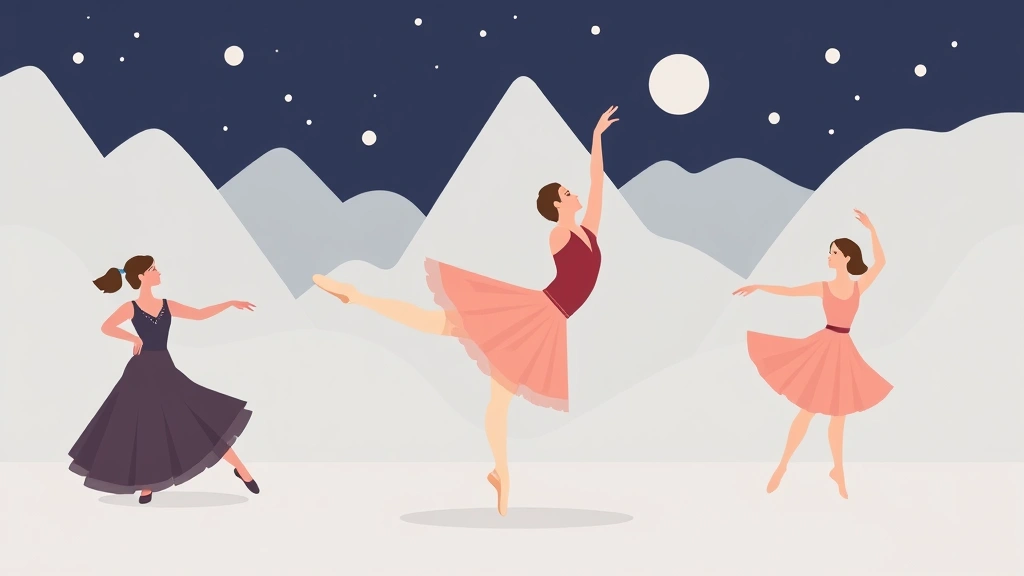
Discover how the Joffrey Ballet wove Nordic folklore into 'Midsummer Night's Dream.' A rich, dark layer of myth transforms Shakespeare's comedy into a powerful, atmospheric performance.
Have you ever watched a ballet and felt like there was a whole hidden story underneath the dancing? That's exactly what happens with the Joffrey Ballet's 'Midsummer Night's Dream.' It's not just Shakespeare set to music. There's a rich layer of Nordic folklore woven into the performance, and it makes the whole thing way more magical.
You see, most people think of 'A Midsummer Night's Dream' as a light, romantic comedy. Fairies, lovers mix-ups, a guy with donkey ears. But the Joffrey Ballet took a different path. They dug into the old Norse and Scandinavian myths that actually inspired some of Shakespeare's ideas. It's a cool twist that gives the ballet a deeper, wilder feel.
### The Roots of the Folklore
So, where does this Nordic influence come from? Shakespeare himself borrowed from folk traditions. But the Joffrey's choreographer really leaned into the darker, older stories. Think about creatures like the huldra or the nøkk. These aren't your gentle, winged fairies. They're tricky, powerful beings from the forest and water. They can be beautiful, but they're also dangerous if you cross them.
The ballet uses these ideas to change how the characters move and interact. Instead of just being playful, the forest spirits feel ancient and a bit unpredictable. It adds a layer of tension that makes the comedy feel more earned. You're laughing, but you're also a little on edge, wondering what might happen next.
### How It Changes the Performance
If you're a dance studio owner or a choreographer, this is a goldmine of inspiration. The Joffrey didn't just tell a story. They created a whole atmosphere. Here are a few ways they brought that Nordic feel to life:
- **Movement style:** The dancers use sharper, more grounded movements for the forest spirits. It's less about floating and more about sudden, powerful gestures. Think of a sudden gust of wind or a tree branch snapping.
- **Costumes and sets:** The design pulls from Scandinavian art and nature. Lots of deep greens, blues, and silvers. The fabrics have a raw, textured feel, like bark or moss.
- **Music choices:** They mixed Mendelssohn's famous score with traditional Nordic folk music. The result is familiar but strange, like hearing a lullaby in a storm.
> "The forest isn't just a backdrop. It's a character with its own rules and moods." This is a quote that really stuck with me from a review of the show. It sums up the whole approach.
### What Dance Professionals Can Learn
This isn't just a history lesson. There's real practical value here for anyone in the dance world. Whether you run a studio or teach classes, you can use this approach to make your own work more engaging. Let's break it down.
First, think about your source material. Don't just stick to the obvious. If you're choreographing a piece, ask yourself: What's the hidden story? What folklore or cultural layer can you add? It doesn't have to be Nordic. It could be local legends, family stories, or even myths from your own heritage.
Second, use the environment to tell the story. The Joffrey's set and costumes weren't just pretty. They did work. Every element, from the lighting to the fabric texture, reinforced the Nordic theme. In your own classes, think about how the space, the music, and even the lighting can support the mood you're trying to create.
Finally, don't be afraid of a little darkness. Not every dance has to be happy or light. Adding complexity, like the tricky forest spirits, makes the performance more memorable. Audiences connect with stories that feel real, even when they're full of magic.
### Bringing It to Your Studio
So, how do you take this and use it in your own dance studio or classes? Start small. Pick one element from a myth or folklore that interests you. Maybe it's a specific character, like a trickster fox or a water spirit. Then, build a short piece around that. Focus on the movement quality. How would that creature move? What sounds would it make?
You can also use this as a teaching tool. Have your students research a piece of folklore and then create a short dance based on it. It gets them thinking about storytelling in a new way. It's not just about steps. It's about emotion, history, and atmosphere.
The Joffrey Ballet's 'Midsummer Night's Dream' is a great example of how to blend tradition with innovation. By adding Nordic folklore, they made a classic feel fresh and exciting. And that's something every dance professional can aim for.
Remember, the best art comes from connecting with something real. Whether it's a myth from a thousand years ago or a story from your own life, that connection is what makes people stop and pay attention. So go ahead, dig into those old stories. You might be surprised at what you find.