Moving Stories: Choreography That Connects and Captivates
Julia Wagner ·
Listen to this article~4 min
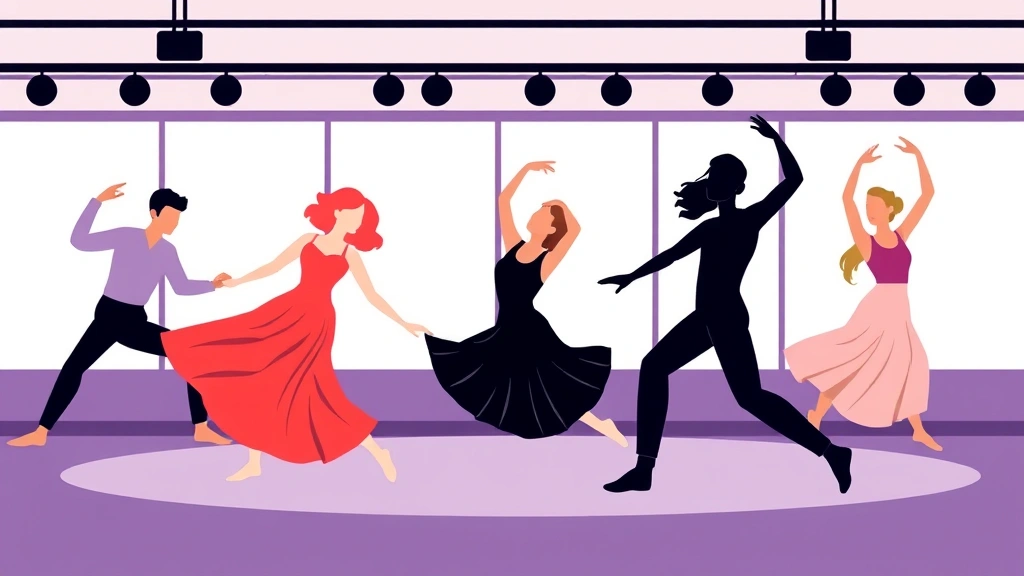
Explore how choreography that tells authentic stories builds stronger dance studios and deeper connections with students and audiences. Practical insights for dance professionals.
You know that feeling when you watch a dance piece and it just... sticks with you? It's more than just steps and music. It's a story that moves through the body and lands right in your heart. That's what great choreography does. It connects.
For dance studio owners and choreographers, creating that connection isn't just an artistic goal—it's what keeps students coming back and audiences filling seats. We're not just teaching pliés and pirouettes. We're building communities through movement.
### What Makes a Dance Story Truly Move?
It starts with intention. Every piece you create needs a 'why.' Is it about joy? Resilience? A memory? That core intention becomes the compass for every movement choice you make. Without it, you're just stringing steps together.
Think about the spaces you work in too. A studio that's just 20 by 30 feet feels different than a grand stage. Choreograph for your real space. Use its limitations as creative fuel, not frustration.
Here's what I've seen work in studios across the country:
- **Start with a conversation** – Talk with your dancers about the piece's theme before you teach a single step
- **Embrace imperfection** – Sometimes the most powerful moments come from a stumble that's recovered beautifully
- **Music is a partner** – Don't just count to it; have a dialogue with it
- **Leave room for breath** – Literal pauses, but also moments where the movement can breathe and settle
> "The body says what words cannot." – Martha Graham
That quote hangs in my studio. It reminds me that our work as choreographers is translation. We're taking feelings and ideas and translating them into physical language.
### Building Classes That Tell Stories
Your weekly classes are where these storytelling skills get honed. A beginner's ballet class isn't just about first position—it's about introducing someone to a whole new way of expressing themselves.
I structure my adult beginner classes around mini-narratives. We might spend a month on 'water' themes—flowing port de bras, wavelike footwork. It gives technical work context and meaning. Students remember the story, which helps them remember the technique.
For kids? It's all about imagination. That tendu isn't just a tendu—it's painting the floor with their toes. That relevé isn't just rising up—it's growing like a flower toward the sun. You're not dumbing anything down. You're making it memorable.
### The Business of Moving People
Let's talk practicalities for a moment. Running a studio means balancing art with administration. Your most powerful marketing tool? Those moving stories you create.
When parents see their child not just executing steps but expressing joy through movement, that's what fills your classes. When adult students find stress relief and community in your studio, that's what builds loyalty. Your recitals aren't just displays of skill—they're shared emotional experiences.
Consider your pricing too. A single drop-in class at $25 feels different than an 8-class package for $180. You're not just selling time in a room—you're offering transformation through movement.
At the end of the day, whether you're working in a 1,200 square foot storefront studio or choreographing for a professional company, the principle remains: people remember how you made them feel. They remember the stories your dances told. That's what builds lasting dance careers and thriving studio communities. Keep moving, keep telling those stories, and watch how your work—and your business—grows.