Missed Chances Before Dance Class Tragedy
Julia Wagner ·
Listen to this article~3 min
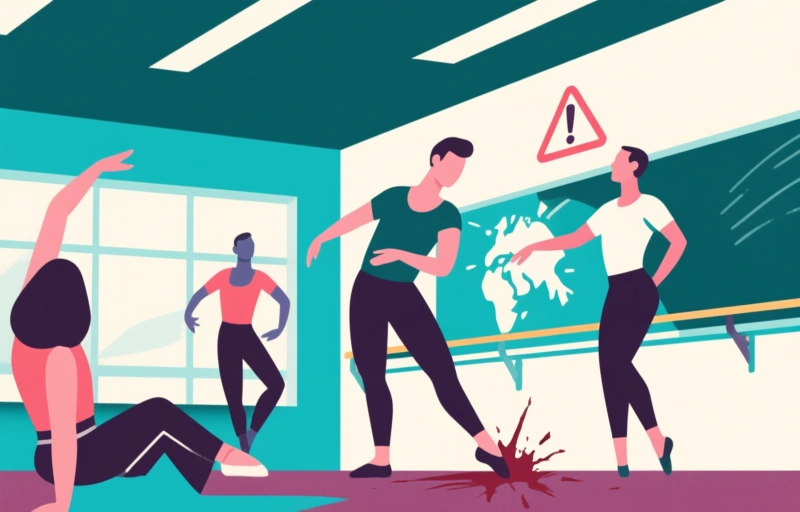
A U.K. inquiry reveals catastrophic missed warnings before a dance class stabbing. Learn how U.S. dance professionals can strengthen studio safety and prevent tragedy.
A recent inquiry in the U.K. has revealed a series of catastrophic missed opportunities that could have prevented a devastating stabbing incident at a dance class. The report highlights systemic failures that allowed a tragedy to unfold, leaving many in the dance community shaken and searching for answers.
This isn't just another news story. For dance studio owners, choreographers, and instructors across the United States, it's a stark reminder of how quickly safety can slip through the cracks. We spend so much time perfecting routines and building our studios, but sometimes the biggest risks aren't on the dance floor.
### What the Inquiry Found
The investigation uncovered that authorities had multiple warnings before the attack. There were clear signs that something was wrong, but those red flags were either ignored or mishandled. The report calls these failures catastrophic, and it's hard to argue with that word.
- Multiple agencies received information about potential threats.
- Communication breakdowns between organizations prevented a coordinated response.
- Key individuals were not properly assessed or monitored.
For anyone running a dance studio, this feels personal. We build our spaces to be safe havens for creativity and expression. When that safety is compromised, it shakes the foundation of what we do.
### Lessons for U.S. Dance Professionals
While this happened across the Atlantic, the lessons here are universal. Studio owners and choreographers in the U.S. can take proactive steps to protect their students and staff.
Start with your own protocols. Do you have a clear emergency plan? Is it something you review regularly, or is it buried in a folder somewhere? The small stuff matters. A simple check-in system for who enters your studio can make a huge difference.
Also, trust your gut. If something feels off about a situation or a person, don't brush it aside. The inquiry showed that people had concerns but didn't act on them. In your studio, you're the one who sets the tone for safety.
### Building a Culture of Awareness
Safety isn't just about locks and alarms. It's about creating an environment where everyone feels comfortable speaking up. Encourage your staff and students to report anything that worries them.
Consider running drills, just like you would for a fire. It might feel awkward at first, but muscle memory kicks in during real emergencies. If you've practiced locking down the studio or evacuating, people will know what to do without thinking.
And don't forget about mental health resources. The dance world is intense, and stress can build up. Having someone to talk to can prevent small problems from becoming big ones.
### Moving Forward
This tragedy is a heavy reminder that our responsibilities go beyond teaching dance moves. We're caretakers of a community. By learning from what happened in the U.K., we can make our own studios safer and more resilient.
The dance community is built on trust and connection. Let's make sure we protect that. Take a moment to review your safety plans today. It might just save a life.