Master Regency & 18th Century Country Dance Classes
Julia Wagner ·
Listen to this article~4 min
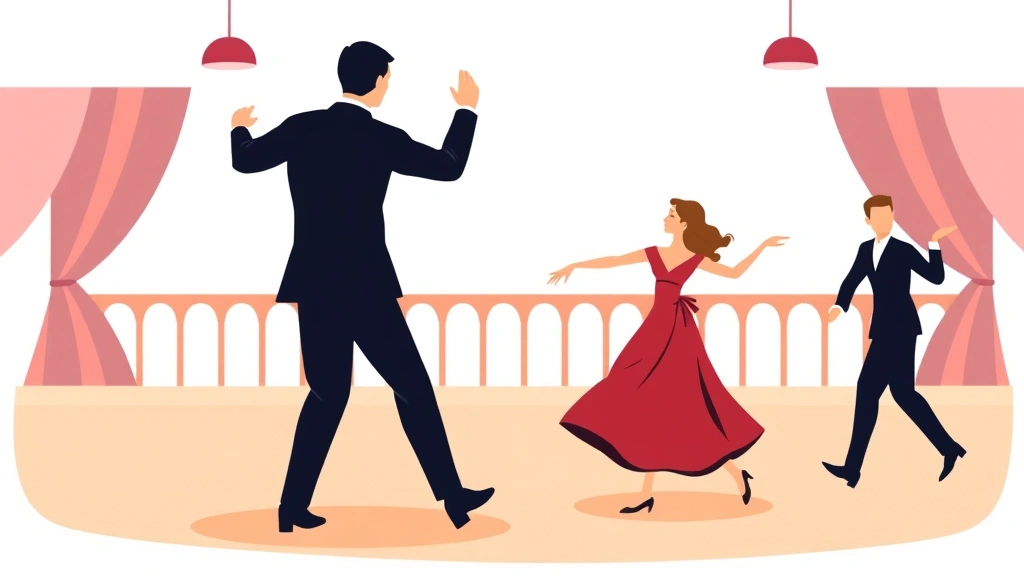
Discover the resurgence of elegant Regency and 18th century country dance. Learn why these historical social dances are captivating modern studios, building community, and offering a unique mind-body challenge for today's students.
Ever wondered what it felt like to glide across a ballroom floor during Jane Austen's time? You know, those elegant scenes in period dramas where everyone seems to move with such grace and intricate patterns? That's the magic of Regency and 18th century country dance, and it's not just for historical reenactors anymore.
These dances are making a serious comeback in modern studios, and for good reason. They offer something truly unique that contemporary styles often miss. It's about connection, community, and a specific kind of structured elegance that's both challenging and deeply satisfying to learn.
### Why These Historical Dances Matter Today
You might think this is just about learning old steps, but it's so much more. Teaching these dances builds incredible spatial awareness in students. They learn to navigate a floor with multiple couples, anticipating movements in a way that sharpens their mind-body connection. For studio owners, it's a fantastic niche offering that can attract a dedicated clientele looking for more than just another fitness class.
It's also about social dance in its purest form. Unlike many partner dances today, these historical forms emphasize group patterns over flashy individual moves. Everyone works together to create the overall effect. This builds a wonderful sense of community in your classes—students have to communicate, cooperate, and literally move as one unit.
### What You'll Actually Learn in Class
Let's get practical. A typical series will cover the foundations that made these dances work. You're not just memorizing sequences; you're understanding the social and physical language of an era.
- **The basic forms:** Longways sets, circles, and squares that form the architecture of each dance.
- **Period-appropriate posture and carriage:** How to hold yourself, how to move with the clothing of the time (even if you're in leggings!).
- **The common figures:** Rights and lefts, stars, hey (or hay) figures, and turns that appear again and again.
- **Musicality:** Dancing to live or recorded period music, learning to hear the phrases that dictate the steps.
One of my favorite things to tell new students is a quote often attributed to the era itself: "A dance is a conversation between bodies, set to music." That's the heart of it. You're learning a forgotten dialect of movement.
### Bringing History to Life in Your Studio
Implementing this doesn't require full period costume (though that can be fun for workshops!). Start with the movement. The key is teaching the intention behind each step. A simple walking step isn't just a walk—it's a smooth, gliding motion meant to be sustained for minutes at a time across a ballroom that might be 40 feet long.
Focus on the social aspect. These were community events. In your class, encourage that interaction. Have students introduce themselves to their line neighbors. Discuss how these dances functioned as a key part of social life, where young people could meet and interact under structured, chaperoned circumstances.
It's also a great workout in disguise. Maintaining that upright, poised posture for a 90-minute ball engages the core, improves balance, and builds endurance. Students leave feeling both physically worked and mentally uplifted—a combination that keeps them coming back.
### Building Your Class Series
If you're a choreographer or studio owner looking to offer this, structure is your friend. A six to eight-week "Herald Series" (named for the dance masters who would call out the steps) is perfect. Start with the absolute basics in week one—how to walk, how to bow/curtsey, one simple dance. Each week, layer in new figures and more complex dances.
Provide context. Share snippets about the history. Was a dance popular in 1795 London or 1815 Bath? It makes the learning stick. The goal isn't to create perfect historical replicas, but to capture the spirit, joy, and artistry of the form. You're giving your students a living link to a rich cultural tradition, and that's a powerful thing to offer in today's world.