Master Line Dancing: Learn Classic Dances & Timeless Moves
Sarah Jenkins ·
Listen to this article~4 min
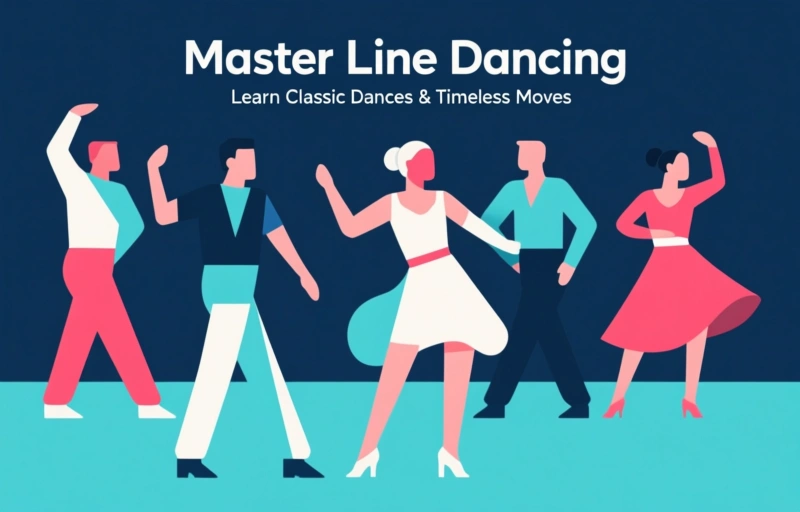
Discover the joy and community of line dancing. Learn why classic dances like the Electric Slide are timeless, how to get started in a class, and the surprising benefits that go far beyond the dance floor.
Hey there! So you're thinking about line dancing, huh? That's fantastic. It's one of those things that looks simple from the sidelines, but once you're in the middle of it, you realize there's a whole world of rhythm, community, and pure joy. I've been teaching dance for years, and I still get a thrill seeing someone nail their first grapevine or pivot turn. Let's talk about why these classic dances are more than just steps—they're a connection to music, history, and each other.
### What Exactly Is Line Dancing?
At its core, line dancing is a choreographed dance where a group of people dance in lines, all facing the same direction and performing the same steps at the same time. No partner is needed, which is a huge plus for a lot of folks. You're dancing with the group, not with one specific person. It's communal. The dances are set to specific songs, often country music, but you'll find line dances for pop, rock, and even disco. The beauty is in the repetition and the unison. When everyone turns on that heel together? Magic.
### Why These Dances Are Truly Timeless
You might wonder why dances like the Electric Slide, the Tush Push, or the Boot Scootin' Boogie stick around for decades. It's not just nostalgia. These dances are built on fundamental patterns that are easy to learn but can be mastered with style. They create instant community on any dance floor, from a wedding reception to a dedicated studio class. They're social icebreakers that don't require you to be an expert. You just need a willingness to try and maybe a comfortable pair of shoes.
- **Accessibility:** The basic steps are broken down into counts, making them perfect for beginners.
- **Musicality:** Each dance is tied to a specific song's rhythm and structure, teaching you to listen and move with the music.
- **Community:** You're never dancing alone. There's a shared energy that's incredibly uplifting.
- **Fitness:** It's a fantastic low-impact cardio workout that improves coordination and balance without feeling like a chore.
I always tell my new students, 'Don't worry about getting every step perfect right away. Just feel the music and follow the person in front of you.' The learning is in the doing.
### Getting Started With Your First Class
If you're ready to give it a shot, finding a class is the best first step. Look for local dance studios, community centers, or even some recreation departments. A good beginner class will focus on a few foundational dances. Wear clothes you can move in comfortably—think jeans or leggings and a t-shirt. As for shoes, a smooth-soled boot or a comfortable dance sneaker works great. Avoid rubber soles that grip the floor too much; you need to be able to slide and pivot.
The atmosphere in a line dance class is usually incredibly supportive. Everyone was a beginner once. Instructors will break down each sequence step-by-step, count by count, before putting it to music. It's about building muscle memory. One of my favorite quotes from a student perfectly captures the spirit: 'I came for the steps, but I stayed for the smiles.' That's the heart of it.
### The Unexpected Benefits Beyond the Dance Floor
What surprises most people isn't just learning the dances. It's everything that comes with it. Your confidence gets a boost. You make new friends. You develop a better sense of rhythm that translates to other types of dance or even just moving through your day. It's a mental workout, too—remembering sequences is great for your brain. And let's be honest, in a world that's often digital and disconnected, there's something profoundly human about moving in sync with a room full of people to a great song. So, what are you waiting for? Find a local class, take that first step, and join the line. You might just discover your new favorite hobby.