Master Jive Swing: Energizing Dance Classes for Studios
Julia Wagner ·
Listen to this article~4 min
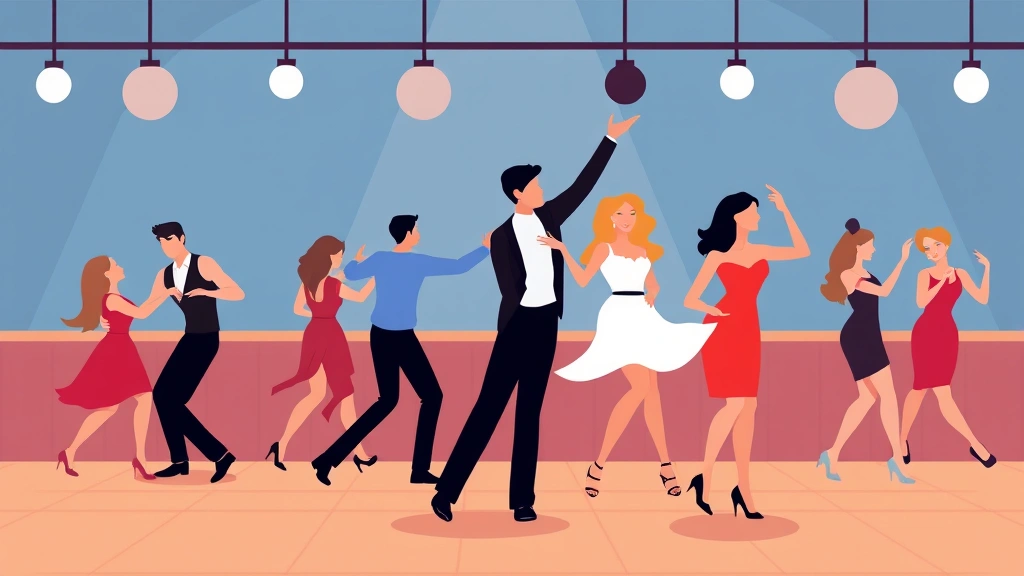
Discover how Jive Swing dance classes can energize your studio, attract new students, and build a vibrant community. Learn effective class structures and marketing tips for dance professionals.
Hey there, dance professionals. Let's talk about something that can really fill your studio floors and get people moving. Jive Swing isn't just another dance style—it's pure, infectious energy. It's the kind of class that students leave buzzing from, telling all their friends about. And that's exactly what you want for your business, right?
We all know the challenge. You need classes that attract new students and keep your regulars coming back for more. Jive Swing delivers on both fronts. It's accessible enough for beginners to feel successful, yet has layers of complexity that can challenge seasoned dancers for years. It's a win-win.
### Why Jive Swing Is a Studio Powerhouse
Think about the vibe in your studio. Some classes are technical, some are meditative. A Jive Swing class? It's a party. The music is upbeat, the steps are lively, and the atmosphere is electric. This isn't just exercise; it's a social experience. Students connect, laugh, and burn calories without even realizing it because they're having so much fun.
For choreographers, it's a playground. The basic six-count and eight-count patterns are your canvas. From there, you can layer in turns, kicks, and stylings that reflect your unique voice. You're not just teaching steps; you're teaching a feeling. That's what makes students loyal.
### Structuring Your Class for Success
So, how do you build this? Start with a solid warm-up that gets the heart rate up and introduces the bounce—the core of Jive's character. Then, break down a fundamental pattern. Keep it simple. I've seen classes try to do too much too fast, and it just leads to frustration.
Here’s a basic framework that works:
- **The First 10 Minutes:** Warm-up with light cardio and isolated footwork.
- **The Core 30 Minutes:** Teach one core pattern. Break it down for leads and follows separately, then bring it together.
- **The Final 20 Minutes:** Practice with music, add a simple variation, and encourage social dancing.
Remember, your goal isn't to create competition dancers in one session. It's to make sure everyone leaves feeling like they *can* dance. That feeling is what brings them back next week.
As one seasoned studio owner put it, 'Jive Swing classes don't just fill a time slot; they build community. It's the class everyone looks forward to all week.' That's the magic you're aiming for.
### The Business Beat: Marketing Your Class
Now, let's get practical. You've got a great class, but you need bodies in the room. Don't just list 'Jive Swing' on your schedule. Sell the experience. Use words like 'energizing,' 'upbeat,' and 'social.' In your local ads, focus on the benefits: stress relief, a fun workout, meeting new people.
Consider a short, four-week introductory series. A commitment of around $120-$150 makes it accessible for newcomers to try without a huge financial risk. Offer a single drop-in rate of about $25-$30 for those who want to test the waters. Make the first class a 'bring a friend for free' event. Word-of-mouth is your most powerful tool.
### Keeping the Momentum Going
The biggest challenge isn't starting a class; it's sustaining it. Keep the content fresh. Once a month, introduce a 'special' move or a themed night. Create pathways. Show students how Jive Swing connects to Lindy Hop, Balboa, or even Blues. You're not just teaching a dance; you're opening a door to a whole world.
Listen to your students. What music do they respond to? Are they craving more technique or more playtime? Adjust your plan accordingly. Your class is a living thing. It should grow and change with the community in your studio.
At the end of the day, a successful Jive Swing program is about more than footwork. It's about creating a space where joy and movement meet. It's about the sound of laughter over the music, the high-fives after nailing a turn, and the line of eager students waiting to sign up for the next session. That's the rhythm of a thriving studio. Now go create it.