Master Jive Swing Dance: Classes for All Levels
Sarah Jenkins ·
Listen to this article~5 min
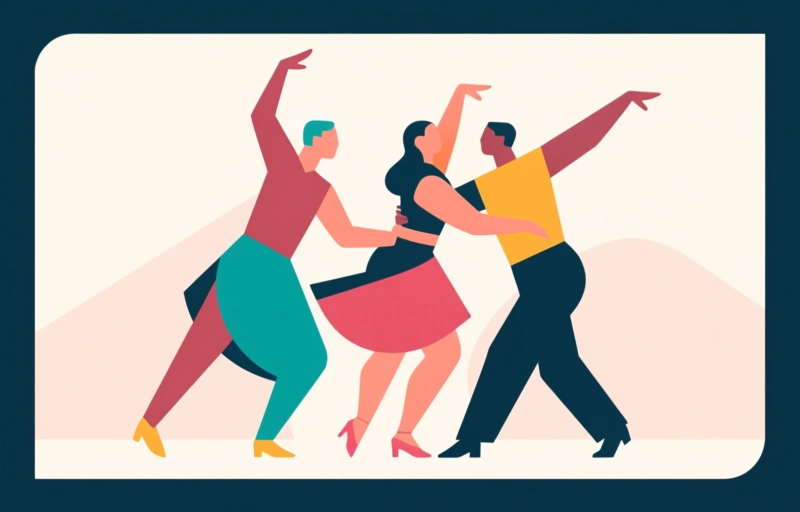
Discover how jive swing dance classes can energize your studio and engage students. Learn teaching tips, class structures, and why this vibrant partner dance is gaining popularity across all age groups.
You know that feeling when you hear a swing tune and your feet just want to move? That's the magic of jive swing dance. It's not just steps and patterns—it's pure energy, connection, and joy. Whether you're a dance studio owner looking to expand your offerings or a choreographer wanting to explore new styles, understanding jive swing can open up exciting possibilities.
Let's talk about what makes this dance style so special. Jive swing combines the upbeat tempo of jive with the smooth, flowing movements of swing. It's energetic but accessible, technical but incredibly fun. You don't need to be a professional dancer to enjoy it—that's the beauty.
### What Exactly Is Jive Swing Dance?
Jive swing is a partner dance that evolved from various swing styles in the 1940s and 50s. It's characterized by its bouncy rhythm, quick footwork, and playful energy. Unlike some dance forms that feel rigid or overly structured, jive swing encourages personal expression within the framework of basic steps.
The music typically ranges from classic swing tunes to modern pop songs with a swing feel. This versatility makes it appealing across generations. I've seen teenagers and seniors alike light up when they get the basic rhythm down.
### Why Add Jive Swing to Your Studio's Offerings?
If you're running a dance studio, you're always looking for classes that attract and retain students. Here's why jive swing might be your next hit:
- It's social and community-building—students naturally connect with partners
- The learning curve is manageable, with visible progress in just a few sessions
- It appeals to a wide demographic, from young adults to active seniors
- The music is universally enjoyable and energizing
- It complements other dance styles you might already offer
One studio owner told me, "Our jive swing classes filled up faster than anything we've offered in years. People just love the energy."
### Teaching Tips for Choreographers
As a choreographer, you might be wondering how to approach this style. Start with the fundamentals—the basic rock step and triple steps. Build from there with simple turns and variations. Remember that connection is key in partner dancing. It's not just about individual steps but how partners communicate through movement.
I always tell new instructors: "Teach the feeling first, then the technique." When students experience the joy of moving to the music, they're more motivated to refine their skills.
### Creating the Right Class Structure
A successful jive swing class balances instruction with practice time. Here's a structure that works well:
1. Warm-up with basic rhythm exercises (5-10 minutes)
2. Introduce or review fundamental steps (15-20 minutes)
3. Practice with music, focusing on connection (15-20 minutes)
4. Learn a simple combination or variation (10-15 minutes)
5. Social dancing with rotation of partners (10-15 minutes)
6. Cool down and Q&A (5 minutes)
This format keeps students engaged while ensuring they build solid skills. The social dancing portion is particularly important—it's where students apply what they've learned in a low-pressure environment.
### Overcoming Common Challenges
New students often worry about looking silly or not being coordinated enough. Address this head-on by creating a supportive atmosphere. Emphasize that everyone starts somewhere and that mistakes are part of learning. I like to share my own early dance struggles—it humanizes the experience.
Another challenge can be the partner aspect. Some students feel nervous about dancing with strangers. Encourage rotation from day one so everyone dances with multiple partners. This builds community and prevents cliques from forming.
### The Bigger Picture
At its heart, jive swing dance is about connection—to the music, to your partner, to the community. In our increasingly digital world, physical connection through dance feels more valuable than ever. It's not just exercise or entertainment; it's a way to be present with others.
Whether you're considering adding jive swing to your studio schedule or looking to expand your choreography skills, this vibrant dance style offers something special. The energy is contagious, the community welcoming, and the benefits extend far beyond the dance floor. Why not give it a try? You might just find it becomes your students' favorite class—and yours too.