Mark Morris Dance Group Review: A Masterclass in Musicality
Julia Wagner ·
Listen to this article~4 min
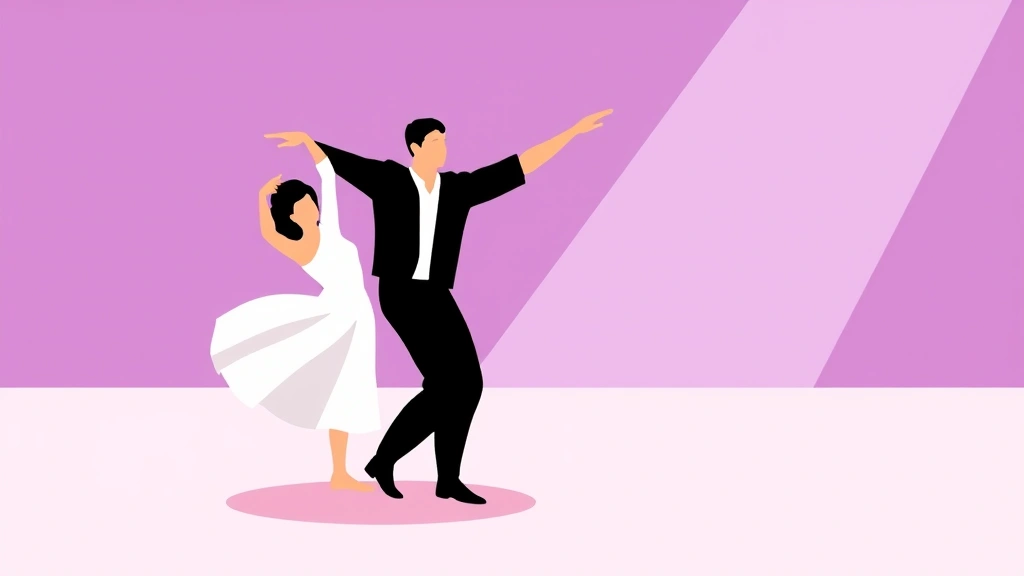
A review of the Mark Morris Dance Group's performance, exploring its masterful musicality and offering practical insights for dance studio owners and choreographers on teaching and artistic expression.
If you're a dance professional, you know that seeing a company like the Mark Morris Dance Group live isn't just entertainment—it's professional development. I recently caught their performance with the Music Ensemble at the George Mason University Center for the Arts, and let me tell you, it was a clinic in how music and movement can become one single, breathing entity.
You don't just watch a Mark Morris piece. You feel the architecture of the music in your bones. The dancers don't simply move to the score; they inhabit it. For studio owners and choreographers, that's the holy grail, right? Teaching dancers to listen with their whole bodies.
### The Unbreakable Bond Between Sound and Motion
What struck me most was the sheer synchronicity. There was no separation between the live musicians on stage and the dancers. A violin's crescendo wasn't just heard; it was seen in a sweeping lift that seemed to pull its energy from the very note. A pianist's staccato passage became a series of sharp, precise footwork patterns.
It makes you think about your own classes. Are we drilling steps, or are we teaching dancers to be musicians? Morris's work argues powerfully for the latter. His choreography has this incredible clarity—every gesture, every formation feels inevitable, like it's the only possible movement for that specific moment in the music.
### Takeaways for Studio Owners and Teachers
Watching a company of this caliber offers so many practical insights you can bring back to your own space. Here are a few things I scribbled in my program:
- **Musicality as Foundation:** Technique is crucial, but musical interpretation is what gives dance its soul. Consider integrating more live piano or percussion in your classes, even if it's just simple rhythms.
- **Ensemble Over Ego:** The group work was breathtaking. It wasn't about star turns; it was about a collective, breathing organism. This philosophy builds stronger, more supportive company cultures.
- **Clarity of Intention:** Every movement had purpose. There was no filler. It's a great reminder to choreograph and teach with decisive intent.
As the legendary dancer Mikhail Baryshnikov once said of Morris: "He is the most musical choreographer I have ever known." Seeing his work live absolutely proves that point.
### Why Live Performance Matters for Professionals
In an age of digital tutorials and social media clips, it's easy to forget the power of a shared live experience. The energy in that theater was palpable. You could feel the dancers' focus, hear their breath, see the subtle communication between them. It's a level of detail you simply cannot get from a screen.
For choreographers, it's a masterclass in spatial design and pacing. How does a phrase travel across a 40-foot wide stage? How do you structure the emotional arc of an hour-long piece? These are questions you can only really answer by seeing the solutions executed flawlessly in real time.
So, here's my advice. Take a night off from lesson planning and go see great dance. It'll refill your creative well more than any online workshop. Watch how the professionals solve the same problems you face every day—musicality, expression, group dynamics. The Mark Morris Dance Group reminded me why I fell in love with this art form in the first place. It wasn't about flashy tricks; it was about honest, profound communication through the human body in time and space. And honestly, that's what we're all trying to achieve in our studios, isn't it?