Behind the Scenes: Lighting Design for Dance Performances
Julia Wagner ·
Listen to this article~3 min
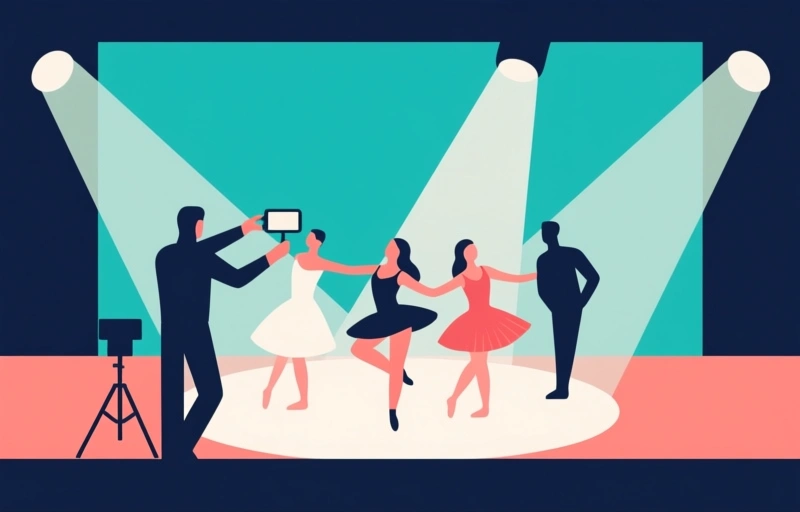
Discover how professional lighting design brings dance performances to life. Learn the collaboration between tech crews and choreographers, and get practical tips to elevate your own studio's showcases.
Have you ever watched a dance performance and felt completely transported? The movement is obviously key, but there's another silent partner on that stage. It's the lighting. It shapes the mood, highlights the dancers, and tells part of the story without saying a word. Today, let's pull back the curtain on what it takes to light a major dance event.
We're talking about the collaboration between technical crews and choreographers. It's a dance in itself. The lighting designer interprets the choreographer's vision, translating emotion and rhythm into color, shadow, and focus. It's not just about making things visible. It's about creating a world.
### The Technical Choreography of Light
Think of lighting design as its own form of choreography. Cues are programmed to hit on specific beats. A sharp white spotlight might isolate a soloist, while a wash of deep blue sets a melancholic tone for a group piece. The equipment has to be reliable, versatile, and powerful enough to fill a large venue. For a performance at a major arena's secondary space, like the Indigo at The O2, the challenge is immense. You need equipment that can create intimacy in a big room.
Companies specializing in event production provide the gear and expertise. They supply everything from moving head fixtures to complex control consoles. The goal is always the same: to support the artist's vision seamlessly. When it works, you don't notice the lights. You just feel the performance.
### Why This Matters for Your Studio
You might be running a local studio, not a 2,800-seat venue. But the principles are the same. Good lighting in your recital or showcase elevates the entire experience. It shows respect for your dancers' hard work and helps your audience connect. Here’s what you can focus on:
- **Focus and Visibility:** Ensure your dancers are the center of attention. Simple front lighting is a must.
- **Mood and Color:** Use colored gels on basic fixtures to set the scene. A warm amber feels different than a cool lavender.
- **Simplicity First:** You don't need a million-dollar rig. Start with a few well-placed lights operated manually.
As one seasoned production manager put it, "Our job is to make the artist look good, to make their art feel bigger. We're the support act that nobody comes to see, but everyone would miss if we weren't there."
Investing thought into your lighting, at any level, pays off. It transforms a sequence of steps into a memorable performance. It tells your dancers their art is worth presenting in the best possible light. So next time you're planning a show, chat with a local AV company. Even renting a few extra fixtures can make a world of difference. Your audience, and your dancers, will thank you.