Learn Regency & 18th Century Country Dance Classes
Julia Wagner ·
Listen to this article~4 min
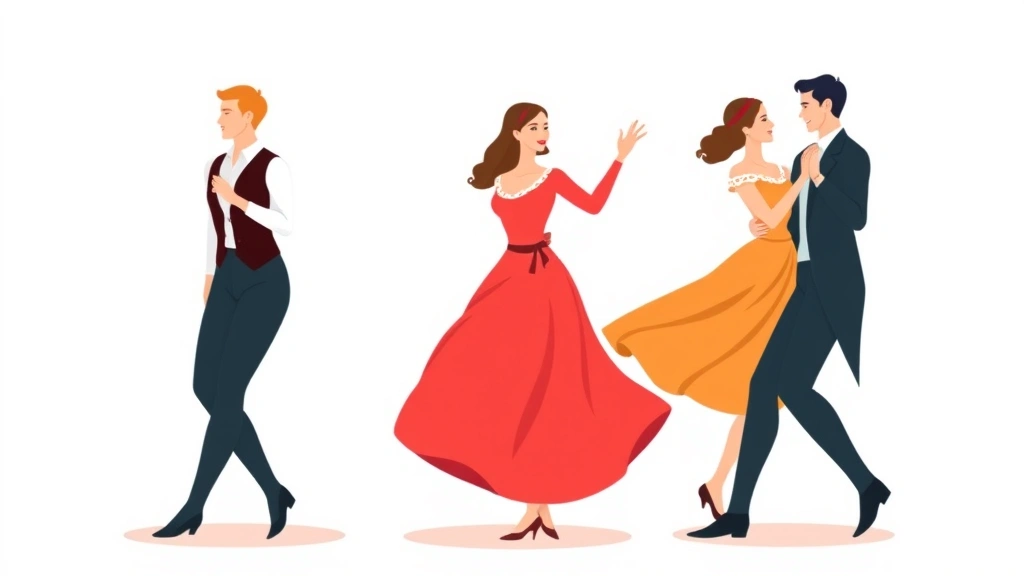
Step into history with Regency and 18th century country dance classes. Learn the elegant social dances of the past, improve coordination, and connect with a community. Perfect for beginners seeking a unique and engaging hobby.
You know that feeling when you watch a period drama and wonder what it would actually be like to move like those characters? The elegant bows, the intricate patterns, the social connection woven right into the steps? That's exactly what Regency and 18th century country dance classes offer—a living, breathing connection to history.
It's more than just learning steps. It's about understanding the social fabric of another time. These dances were the social media of their day, a way to communicate, court, and build community. When you learn them, you're not just exercising your body; you're stepping into a different mindset.
### What You'll Actually Learn in Class
First things first—don't worry if you've never danced before. These classes are designed for everyone. You'll start with the basics of posture and footwork, which are surprisingly different from modern dance. Think less about flashy moves and more about grace, precision, and spatial awareness.
The core of the class revolves around learning specific dances from the era. You might work on a lively "Contredanse" or a more stately "Minuet." The instructor will break down each figure, those repeating patterns that form the dance, so you can build confidence gradually. It's like learning a beautiful, physical language.
- **Historical Context:** You'll learn why certain dances were popular and what they meant socially.
- **Musicality:** How to move in time with period-appropriate music, often played live.
- **Etiquette:** The bows, curtsies, and social cues that were part of the experience.
### Why This Isn't Just Another Fitness Class
Let's be honest, you could join a Zumba class. But this is different. The physical benefits are fantastic—improved coordination, balance, and light cardio—but the mental and social benefits are what truly stand out. You have to be present. You have to connect with your partner and the set. It demands a focus that's wonderfully distracting from daily stress.
One of my favorite parts? The laughter. You will make mistakes, and so will everyone else. That shared experience of figuring it out together creates an instant camaraderie. As one seasoned dancer once told me, "The missteps are where the real memories are made."
### What to Wear and Bring
Comfort is key. You don't need a full Regency gown or waistcoat on day one. Wear clothes you can move freely in. For footwear, soft-soled shoes or flats are perfect—avoid sneakers with heavy tread that can stick to the floor. Bring a water bottle, and most importantly, bring a sense of curiosity.
Most studios provide all the historical instruction you need. The goal is immersion, not historical reenactment-level accuracy from the get-go. You're there to learn the movement and the spirit of the dance.
### Finding the Right Class for You
If you're intrigued, the next step is finding a local class. Look for studios or historical societies that specialize in English Country Dance or historical dance. Many offer introductory workshops, which are a perfect, low-pressure way to try it. A typical introductory workshop might cost around $45-$65, giving you a solid two-hour foundation.
Give it a shot. You might just discover a new passion that connects you to the past in the most joyful, active way possible. It's history you don't just read about—you dance through it.