Lack of Diversity in Ballet: Why Representation Matters
Sarah Jenkins ·
Listen to this article~4 min
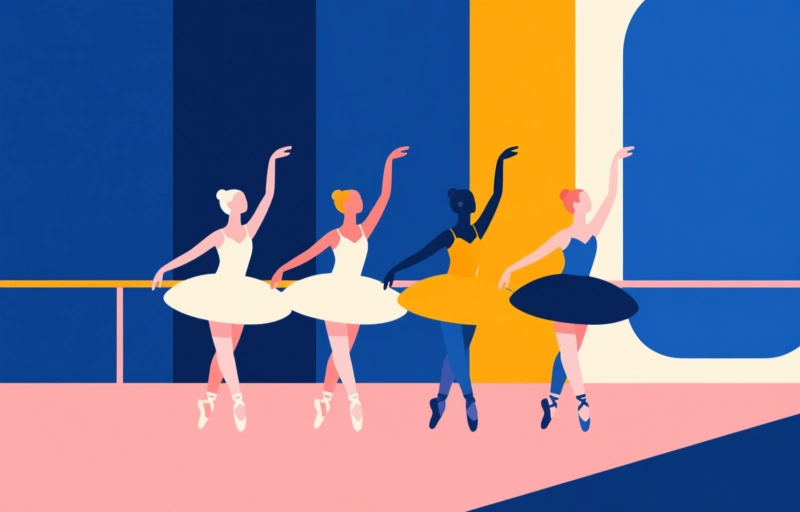
Exploring the critical need for diversity in ballet and how lack of representation affects aspiring dancers. Learn why seeing yourself on stage matters and what dance educators can do to create more inclusive spaces.
You know that feeling when you walk into a room and immediately realize you're different? That's what many aspiring ballet dancers experience every single day. They look at the stage, the posters, the company rosters, and see a world that doesn't reflect their reality. It's more than just feeling left out—it's about wondering if you truly belong in an art form you love.
### The Unseen Barrier in Ballet
Ballet has this incredible history, right? Centuries of tradition, technique, and beauty. But sometimes, tradition can become a barrier. When young dancers don't see professionals who share their body type, skin color, or background, they start asking tough questions. 'Is this for me?' 'Can I succeed here?' Those questions shouldn't exist in a world that celebrates artistic expression.
I've worked with hundreds of dancers over the years, and here's what I've noticed:
- Students from underrepresented backgrounds often hesitate to pursue ballet seriously
- They might excel in other dance forms but feel ballet isn't 'their space'
- Many talented dancers leave ballet entirely because they don't see a future
- The mental energy spent wondering if you fit in takes away from artistic growth
### Why Representation Changes Everything
Let me tell you about Maya, a student I worked with last year. She was 14, incredibly talented, but constantly questioning whether ballet was for her. 'Ms. Jenkins,' she'd say, 'I look at all the principal dancers and none of them look like me.' That broke my heart. Because here's the thing—when Maya finally saw a professional company featuring diverse dancers, something shifted. Her confidence grew. Her technique improved. She stopped holding back.
That's the power of representation. It's not just about being nice or politically correct. It's about giving every dancer permission to dream big. When you see someone who looks like you achieving what you want to achieve, suddenly that goal feels possible. It becomes real.
### What Dance Studios Can Do Right Now
So what can we do about this? As studio owners, choreographers, and educators, we have more power than we realize. It starts with being intentional about the environment we create. Think about the posters on your walls. Consider the choreography you choose. Pay attention to the stories you tell through dance.
Here's a quote from a colleague that really stuck with me: 'Diversity isn't about checking boxes. It's about expanding what ballet can be.'
We need to actively seek out and celebrate diverse ballet artists. Share their stories with your students. Include their work in your curriculum. Make sure every dancer who walks through your door can find someone to look up to. Because representation isn't just about who's on stage—it's about who feels welcome to join the conversation.
### Building a More Inclusive Future
Change doesn't happen overnight, but it does happen one decision at a time. Maybe you start by diversifying your music selection. Perhaps you reconsider costume choices to be more inclusive. You might reach out to communities that haven't traditionally been part of ballet culture.
The most important thing? Listen. Really listen to what your dancers are telling you. When someone says they don't see themselves represented, that's not a complaint—it's an invitation. An invitation to build something better together.
Ballet is evolving, and that's beautiful. The same art form that gave us Swan Lake and The Nutcracker is now giving us new voices, new bodies, new stories. Our job as educators is to make sure every dancer knows they have a place in that evolution. Because when ballet truly represents everyone, we all get to experience something richer, deeper, and more human.
So let's keep having these conversations. Let's keep pushing for change. And most importantly, let's make sure the next generation of dancers never has to say, 'I barely see any ballet dancers that look like me.'