Kathak Artist Barkha Patel Channels Kali in Schenectady Performance
Julia Wagner ·
Listen to this article~3 min
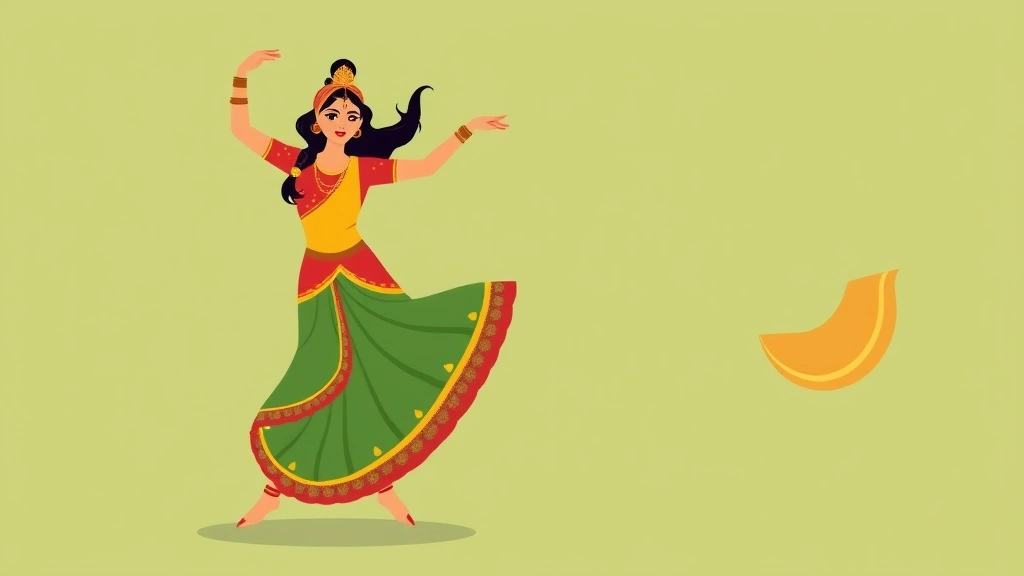
Kathak artist Barkha Patel brings the powerful goddess Kali to life through dance in a Schenectady performance. Explore how this fusion of classical Indian storytelling and thematic depth offers inspiration for dance professionals and studio programming.
If you've ever wondered how ancient dance forms stay vibrantly alive in modern America, look no further than Barkha Patel's upcoming performance in Schenectady. This isn't just another recital. It's a powerful storytelling event where classical Indian Kathak meets the fierce energy of the goddess Kali.
Patel, a dedicated Kathak artist, is bringing a deeply personal and spiritual narrative to the stage. She's not just performing steps; she's channeling a deity, exploring themes of destruction, creation, and feminine power through intricate footwork and expressive gestures known as *abhinaya*. For dance professionals, it's a masterclass in thematic depth.
### The Art of Channeling a Goddess Through Dance
So, what does it actually mean to 'channel' Kali through Kathak? It goes far beyond costume. It's about embodying the dual nature of the divine—the destroyer of evil and the protective mother. Patel's work involves translating complex mythological concepts into a physical language that audiences can feel, even if they don't know the story beforehand.
For studio owners and choreographers, there's a valuable lesson here in programming. Audiences crave connection and meaning. A performance with a strong narrative backbone, like Patel's exploration of Kali, often resonates more deeply than a simple showcase of technique. It gives context to the movement.
### Why This Matters for Dance Professionals in the US
In a landscape where many studios focus on contemporary, ballet, or hip-hop, Patel's work is a reminder of the rich, global tapestry of dance. Incorporating or acknowledging diverse classical forms can:
- Broaden your studio's appeal and educational scope
- Provide unique performance concepts for student recitals
- Inspire choreographers to explore storytelling beyond familiar Western narratives
- Connect with wider community cultures in meaningful ways
It also challenges the performer physically and emotionally. Channeling such a potent figure requires immense stamina and control—the fast spins (*chakkars*) and precise rhythmic patterns of Kathak become a metaphor for cosmic cycles.
> "Dance is the language where myth meets muscle memory," Patel has said about her process. That phrase sticks with you. It captures the essence of what makes classical forms so enduring.
### Bringing Narrative Depth to Your Own Work
You don't need to stage a full-length piece on Hindu mythology to apply these principles. The core idea is about intentionality. What story is your next piece telling? What emotion are you, or your students, aiming to embody from the inside out?
Perhaps it's the joyful release of a jazz number or the structured grace of a ballet variation. The principle remains: technique serves expression. Patel's dedication to her character reminds us to dig deeper into the 'why' behind our choreography. It makes the performance transformative, both for the dancer and the viewer.
Her Schenectady show is more than a night out. It's an invitation to witness how tradition evolves, how stories are passed down through the body, and how dance remains one of our most profound tools for communication. For anyone teaching, creating, or simply loving dance, it's a potent source of inspiration. It asks us to consider the power of the stories we choose to tell with our own movement.