The Intimate Power of Small Dance Studio Audiences
Julia Wagner ·
Listen to this article~4 min
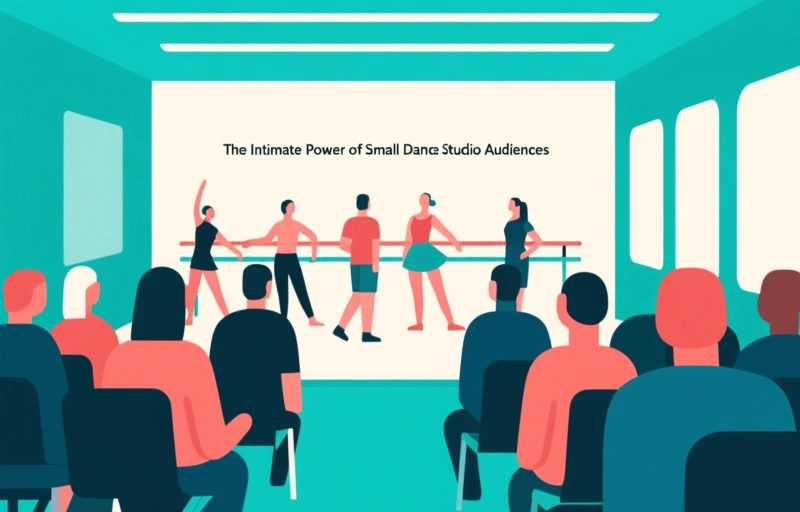
Discover why teaching dance to small groups can be transformative. Learn how intimate classes create deeper connections, faster progress, and unexpected opportunities for both teachers and students.
You know that feeling when you're teaching a class and there are only two people in the room? It happens to all of us. That moment of quiet panic, wondering if you should cancel, if you're failing somehow. But what if I told you that small audience—that studio audience of two—might just be your secret weapon?
Let's talk about why intimate settings can transform how we teach, choreograph, and connect with dance.
### When Less Really Is More
I remember teaching a contemporary class last fall where only two students showed up. The studio felt huge, the mirrors endless. My first instinct was disappointment. But then something shifted. Without the pressure of a full room, we could really dive deep. We spent 20 minutes just on a single transition—exploring weight shifts, playing with timing, finding personal expression in what was supposed to be a simple step.
Those two dancers progressed more in that one class than they had in weeks of packed sessions. They weren't hiding in the back row. They couldn't blend into the crowd. Every correction landed. Every adjustment was visible.

### The Unexpected Benefits of Intimate Classes
Small groups create opportunities that large classes simply can't match:
- **Personalized feedback becomes the norm, not the exception**
- **Technical breakthroughs happen faster** when you can focus on individual bodies
- **Creative risks feel safer** in a supportive, intimate environment
- **Teaching becomes a conversation** rather than a monologue
One of my choreographer friends put it perfectly: "With two dancers, I'm not just setting movement. I'm co-creating with them. Their questions shape the piece. Their physicality informs the vocabulary."
### Making the Most of Your Intimate Moments
So what do you do when your 6:00 PM class has more empty space than students? First, breathe. This isn't a failure—it's an opportunity. Adjust your mindset from "teaching a class" to "coaching individuals." Ask more questions. Listen more carefully. Notice how each body moves differently through the same phrase.
I've started treating these small sessions like private coaching within a group setting. We might spend the first 15 minutes just talking about what's working in their dancing, what feels stuck, what they want to explore. That conversation becomes our lesson plan for the day.
### The Financial Reality (And How to Frame It)
Let's be real—running a dance studio means watching the bottom line. A class with two students paying $25 each doesn't cover the rent for your 1,200 square foot studio space. But here's another way to look at it:
Those two students are your most dedicated. They showed up when others didn't. They're investing in their practice. And if you deliver an exceptional experience for them, they'll become your biggest advocates. They'll tell their friends about the teacher who gave them personalized attention. They'll sign up for your next workshop. They might even bring three friends next time.
### Building Community Through Connection
Dance, at its heart, is about connection. Connection to music, to movement, to each other. In a room with just a few people, that connection deepens in ways that large groups can't replicate. You learn their names. You notice when they're having an off day. You celebrate their breakthroughs like they're your own.
I've seen friendships form in these small classes that last for years. I've watched dancers gain confidence not from performing for crowds, but from being truly seen by their teacher and peers.
So next time you look out at a nearly empty studio, try shifting your perspective. See it not as a sparse audience, but as a focused one. See it not as a problem to solve, but as an opportunity to connect more deeply with the art and the people who show up for it.
Because sometimes, the most powerful transformations happen not on crowded stages, but in quiet studios with just a few dedicated souls finding their way through the movement together.