The International Dance League: Treating Dance Teams Like Pro Sports
Julia Wagner ·
Listen to this article~4 min
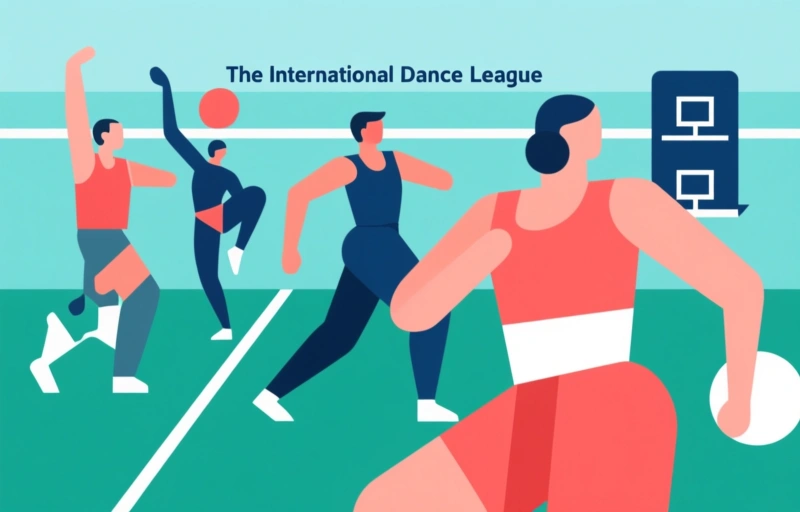
The International Dance League aims to revolutionize competitive dance with a pro sports franchise model. Explore what this means for dancers, studios, and the future of the art form.
You know that feeling when you watch a major league game? The packed stadiums, the roaring fans, the professional contracts, and the undeniable cultural weight. Now, imagine that same energy, structure, and recognition applied to the world of competitive dance. That's the ambitious vision of the International Dance League (IDL). They're not just organizing another competition; they're building a league that aims to elevate dance teams to the same professional status as sports franchises. It's a fascinating shift, and it raises a big question: what does that actually look like in practice?
Let's break it down. For decades, even the most elite dance crews have operated in a space that's more artistic collective than professional sports team. They hustle for gigs, fund their own travel, and often balance intense training with day jobs. The IDL's model seeks to change that foundational reality.
### The Core Structure of a Dance League
The IDL is proposing a franchise-based system. Think of it like the NBA or the NFL, but for dance. Cities would have their own official teams, complete with tryouts, regular season schedules, and playoff championships. This structure promises something dance has often lacked: consistency and a clear pathway. Instead of scattered competitions, dancers could aim for a spot on their city's franchise, with a defined season and career trajectory.
This model brings several potential benefits:
- **Stable Salaries:** Dancers would be contracted athletes, receiving regular pay instead of prize-dependent incomes.
- **Professional Infrastructure:** Teams would have access to dedicated training facilities, coaching staff, and medical support.
- **Media Rights & Broadcast Deals:** League-wide agreements could bring dance to major networks, increasing visibility and revenue.
- **Fan Engagement:** With home cities and regular seasons, building a loyal local fanbase becomes possible, much like any other sports team.

### The Challenges on the Floor
Of course, this isn't a simple pivot. Dance and traditional sports have different cultures and histories. Judging artistry is inherently more subjective than counting points on a scoreboard. Can a league standardize scoring without stifling the creative innovation that makes dance so compelling? Furthermore, the financial investment to launch and sustain city franchises is significant. It requires deep-pocketed owners and a market convinced to buy tickets season after season.
There's also the question of style. Will the league focus on one genre, like hip-hop, or become an umbrella for everything from contemporary to ballroom? Defining the "game" is the first step to building the league.
As one veteran choreographer mused, "The magic of a crew is often in its unique, underground vibe. The challenge is to professionalize the environment without losing that raw, creative soul."

### What This Means for Studios and Choreographers
For dance studio owners and choreographers, this evolution could open new doors. It creates a clear professional destination for advanced students, potentially boosting enrollment for pre-professional tracks. Studios in franchise cities might become official training grounds or affiliate programs. Choreographers could find new careers as head coaches or artistic directors for these teams, roles that come with a stability rarely seen in the gig-based dance world.
The IDL's vision is bold. It's about more than just a competition; it's about building an ecosystem. It proposes turning passionate artists into salaried athletes and transforming local crews into hometown heroes. Whether it will capture the public's imagination the way sports do remains to be seen. But the attempt itself is a powerful statement about the value of dance. It says this art form deserves the same platform, respect, and professional framework as any major sport. The journey from the studio to the stadium is just beginning.