Inside a Converted Dance School: Open Plan Studio…
Julia Wagner ·
Listen to this article~5 min
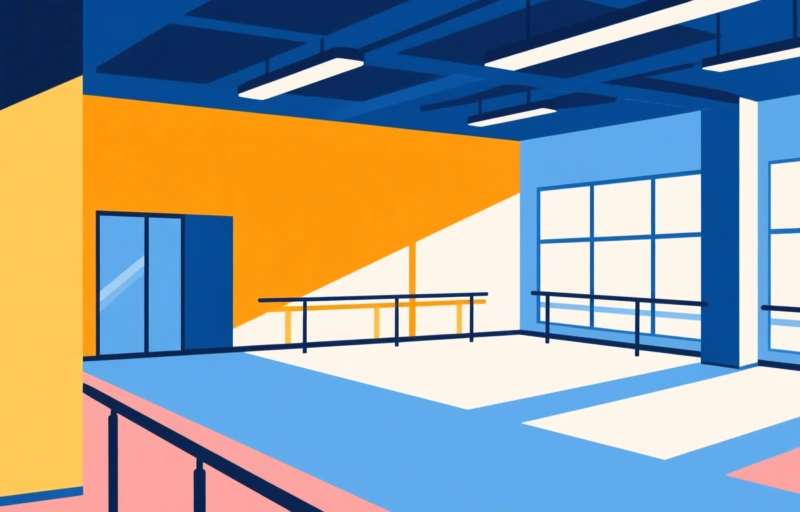
Explore a beautifully converted former dance school, featuring a stunning open-plan studio. Discover design inspiration and practical lessons for creating flexible, vibrant spaces that honor history while meeting modern needs.
Ever wondered what happens to old dance school buildings? They don't just fade away. Often, they get a second life that's just as vibrant as their first. Today, we're taking a peek inside a former dance school that's been transformed, with its stunning open-plan studio taking center stage. It's a space that tells a story, and it's packed with ideas for anyone running a studio today.
You can almost hear the echoes of past routines in the high ceilings. That's the thing about spaces built for movement—they have a certain energy you can't fake. This particular building held onto its soul during the renovation. The developers understood that. They didn't just create a blank box; they honored its history while making it utterly modern and functional.
### What Makes This Open Plan Studio Work
The star of the show is, without a doubt, the main studio. We're talking about a vast, unobstructed space. The original hardwood floors were refinished, not replaced. They've got that perfect amount of give for dancers, worn smooth by decades of use. Natural light floods in from massive windows that run nearly floor to ceiling, about 12 feet tall. It creates an atmosphere that's both energizing and serene—a hard balance to strike.
Architects opened up the floor plan by removing non-structural walls. This wasn't just for aesthetics. It was a practical choice that created a flexible, multi-use environment. The space can now easily accommodate:
- Large dance classes or rehearsals
- Workshop events and community gatherings
- Photoshoots and video productions
- Intimate performances or showcases
That flexibility is pure gold in today's market. It means the space can generate revenue in multiple ways, not just from scheduled classes.

### Design Lessons for Your Own Space
Walking through this converted school, a few key design principles become clear. They're lessons any studio owner or choreographer can borrow, whether you're renovating or starting from scratch.
First, respect the bones of the building. The original features—like those high ceilings and big windows—became the biggest assets. They didn't fight the architecture; they enhanced it. Second, prioritize flow. The open plan isn't just trendy. It removes physical and creative barriers. Dancers can move freely, and sightlines are clear for instructors.
"A studio's layout should inspire movement, not restrict it," as one designer on the project noted. That's a mantra worth remembering. The choice of materials mattered, too. They used durable, easy-to-clean surfaces but kept warmth with natural wood and strategic lighting.

### The Business Case for Adaptive Reuse
Let's talk practicalities for a second. Converting an existing structure like a former school can offer significant advantages. Often, these buildings are in established neighborhoods with good foot traffic. The construction might be more solid than new builds, with thicker walls for better sound isolation—a huge plus for a dance studio.
Financially, adaptive reuse projects can sometimes qualify for historic tax credits or grants, depending on location. The character of an old building also gives you an instant branding story. You're not just another studio in a strip mall; you're a place with history and heart. That resonates with clients.
Of course, it's not without challenges. You might deal with outdated electrical systems or need to bring plumbing up to code. But the result—a unique, character-filled space—can set you apart in a crowded market.
### Bringing the Concept to Your Community
So, what if you're dreaming of a space like this? Start by looking around your own city or town. Old church halls, vacant school buildings, even former retail spaces can have the right dimensions. The key is seeing the potential, not just the current state.
Think about how an open plan would change your teaching style. Would it allow for more creative class structures? Could you host events you can't currently fit? The physical space directly influences the business you can build. This converted dance school shows that with thoughtful design, you can have a facility that's both a beautiful place to work and a smart business investment. It proves that some spaces are just meant for dancing, no matter what their previous label was.