How White Light Elevates Dance Studio Performances
Julia Wagner ·
Listen to this article~3 min
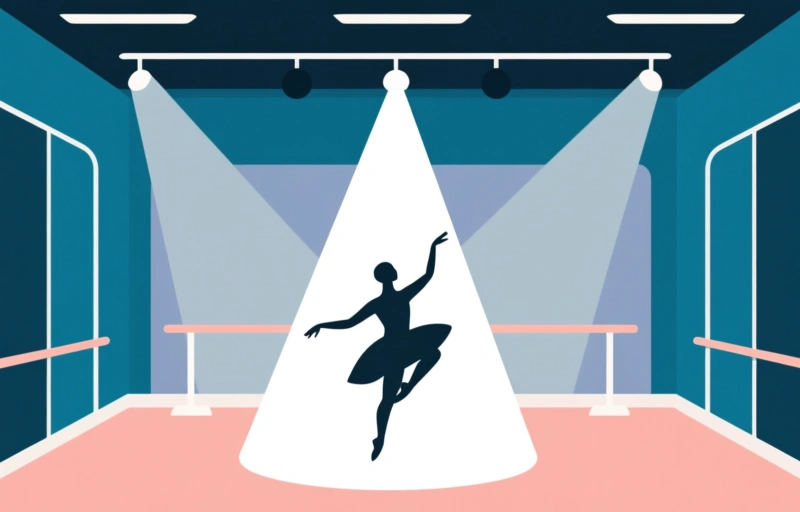
Discover how strategic lighting transforms dance performances, from practical studio upgrades to creating emotional impact that connects dancers with audiences.
You know that feeling when the lights hit just right during a performance? When every movement seems to glow with intention? That's what we're talking about today—how lighting transforms dance from steps into stories.
I was chatting with a studio owner last week who mentioned how her recital attendance jumped 30% after upgrading her lighting system. She didn't change the choreography or the music. She just made the dancers more visible, more vibrant, more... alive.
### Why Lighting Matters More Than You Think
Most studio owners focus on floor quality (and rightfully so—those sprung floors protect dancers' joints). But lighting often gets treated as an afterthought. Here's the thing: your audience's eyes follow light. If your dancers are performing in dim or uneven lighting, you're literally hiding their hard work.
Think about it this way—lighting is the invisible partner in every duet. It highlights extensions, creates depth on stage, and sets emotional tone before a single note plays.
### Practical Lighting Solutions for Studios
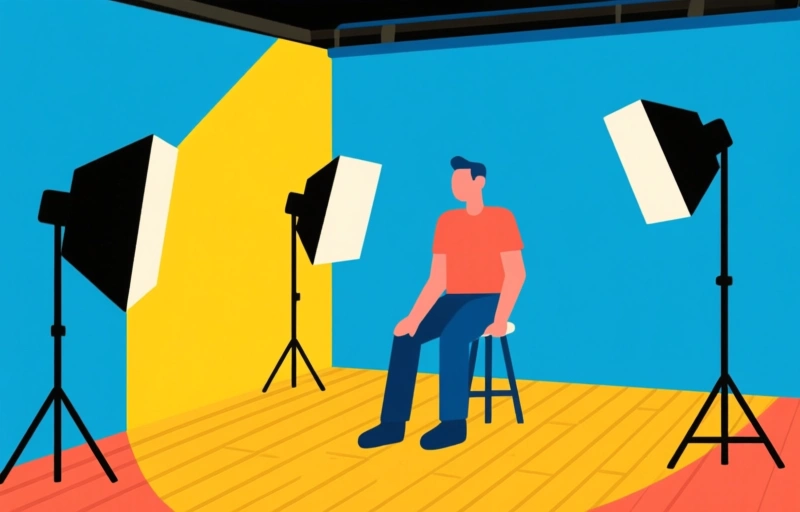
You don't need Broadway-level budgets to make significant improvements. Here are some accessible upgrades:
- LED wash lights that cover your entire performance area evenly
- Simple color-changing systems that let you match lighting to music mood
- Front lighting positioned at 45-degree angles to eliminate facial shadows
- Portable lighting kits for studios that host multiple events
One choreographer I work with uses colored gels over basic fixtures. For under $200, she creates completely different atmospheres for contemporary versus jazz pieces.
### The Technical Side Made Simple
Let's talk numbers without getting lost in technical jargon. Your front lights should be about 15-20 feet from dancers for optimal coverage. Temperature matters too—warmer lights (around 3200K) create intimate moods, while cooler lights (5000K+) energize hip-hop or competition pieces.
A studio director in Chicago shared this insight: "When we switched to LED panels, our energy bill dropped 40%. The lights pay for themselves in two seasons."
### Creating Emotional Impact
Remember that lighting isn't just about visibility. It's about feeling. A slow fade during an emotional solo. A sharp strobe during a breakdance battle. These moments stay with audiences long after the curtain closes.
I love what one ballet teacher told me: "We teach dancers to express with their bodies. Lighting gives that expression a voice."
### Getting Started Without Overwhelming
If you're looking to upgrade, start with one area. Maybe your center stage needs better front lighting. Perhaps your waiting area could use warmer, more inviting fixtures. Small changes create noticeable differences.
Most importantly, involve your dancers. Have them perform under different lighting setups during rehearsal. Their feedback is gold—they'll tell you what makes them feel confident and what helps them connect with the audience.
Lighting shouldn't be complicated. It should serve the art. When done right, it disappears, leaving only the dance and the dancer. And isn't that what we're all here for?