How Sport Management Education Transforms Dance Studios
Julia Wagner ·
Listen to this article~4 min
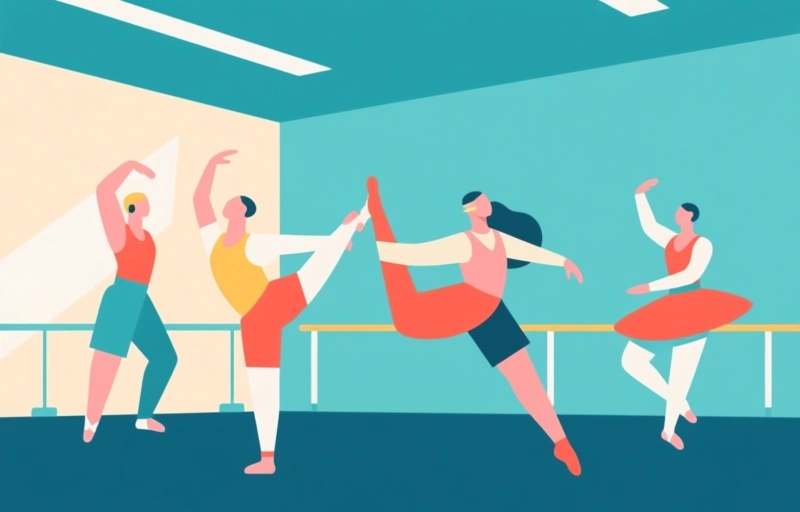
Discover how sport management education principles can transform your dance studio operations, from financial planning to community building. Learn practical strategies for sustainable growth.
You know that feeling when you're running a dance studio and everything seems to be moving in different directions? The scheduling headaches, the budget constraints, the marketing struggles—it can feel like you're choreographing a routine with too many moving parts and not enough rhythm.
Well, there's a movement happening in education that might just change your entire approach. It's not about learning new dance steps. It's about learning how to run the business behind the art.
### The Business Side of the Barre
Let's be honest for a minute. Most of us got into dance because we love the art form. We love watching bodies move through space, telling stories without words. But running a studio? That's a whole different dance.
You need to think about:
- Rent for that perfect 2,000 square foot studio space
- Payroll for your instructors (who absolutely deserve every penny)
- Marketing to fill those 6:00 PM adult beginner classes
- Insurance that covers everything from sprung floors to potential injuries
It's enough to make you want to pirouette right out of the office.
### What Sport Management Really Means for Dance
Here's where things get interesting. Sport management education isn't just for football teams or basketball leagues. The principles translate beautifully to dance studios. We're talking about:
- **Financial planning** that lets you invest in new mirrors or that floating floor you've been dreaming about
- **Event management** skills for your annual recital at the local 1,200-seat theater
- **Leadership development** to help your teaching staff grow alongside your business
- **Marketing strategies** that actually fill classes instead of just looking pretty on Instagram
One educator putting this philosophy into practice puts it perfectly: "We're not just teaching people to manage games. We're teaching them to build communities through movement."

### Making the Numbers Dance
Let's talk cold, hard cash for a second. The average dance studio spends about $3,500 monthly on rent alone in most U.S. cities. Add another $2,000 for utilities, insurance, and maintenance. Then there's payroll—maybe $4,000 for a small team of instructors.
That's nearly $10,000 every month before you've even turned on the lights for your first class.
Sport management education teaches you how to make those numbers work. How to price classes so they're accessible but sustainable. How to create revenue streams beyond just hourly lessons—maybe workshops, merchandise, or performance tickets.
### Building Your Dance Community
Here's the beautiful part. When you get the business side running smoothly, you create space for the art to flourish. Literally and figuratively.
Your 8-year-old ballet students get consistent, quality instruction because you can afford to keep your best teachers. Your adult tap class becomes a social hub because you've marketed it effectively. Your competitive team travels to that regional competition because you've budgeted for it all year.
You're not just running a business. You're curating an experience. You're building a community where people come to move, to connect, to express themselves.
### The Next Steps for Your Studio
So where do you start? You don't need to enroll in a full degree program tomorrow. But you can begin thinking differently about how you operate.
Maybe it's taking an online course in small business finance. Perhaps it's joining a network of studio owners to share best practices. It could be as simple as blocking out two hours each week to focus solely on the business side of things.
Remember why you started this journey in the first place. That passion for dance? It's still there. Now imagine coupling that passion with the business savvy to make your studio thrive for years to come.
That's the real transformation. Not just in how you manage your studio, but in how many lives you can touch through the art of dance when the foundation is solid. When the business supports the art, rather than fighting against it, everyone gets to dance a little freer.