How High School Dancers Become Warriors Through Movement
Julia Wagner ·
Listen to this article~4 min
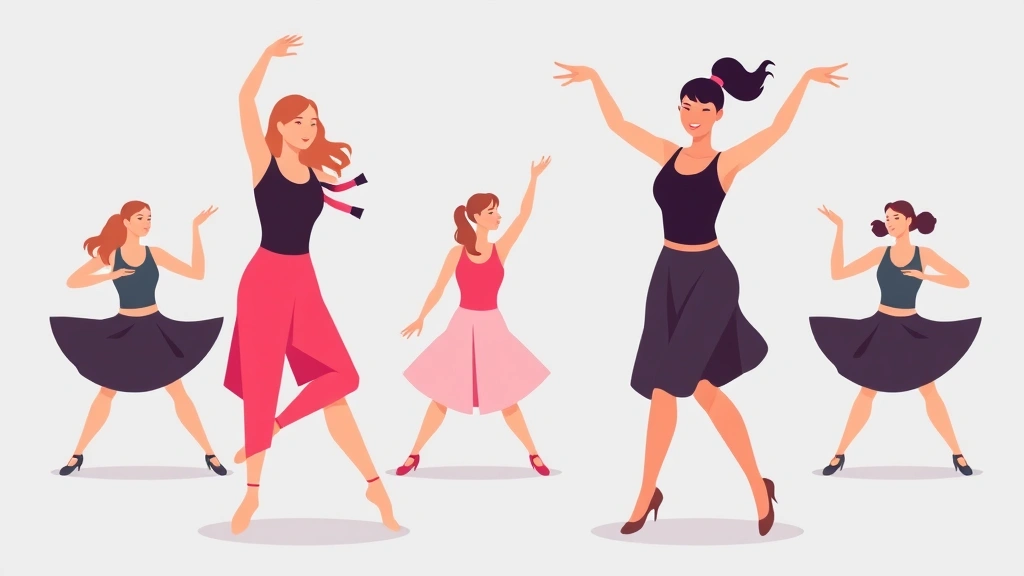
Discover how high school dance programs cultivate warrior spirit through movement, helping young performers channel strength, resilience, and powerful expression in transformative ways.
You know that feeling when you watch a dancer move with such power and conviction that it gives you chills? That's what happens when young performers transform into warriors right before our eyes. It's not just about steps and counts—it's about channeling something deeper, something fierce and protective.
High school dance programs across the country are cultivating this warrior spirit in surprising ways. These aren't just recitals with cute costumes. These are performances where teenagers tap into ancient archetypes, telling stories of strength, resilience, and battle through their bodies.
### The Physical Transformation
What does it take physically to embody a warrior? It starts with grounding. Dancers learn to connect their feet to the floor with intention, feeling the energy rise from the earth through their legs and into their core. Their posture shifts—shoulders back, chin level, gaze focused. Every muscle engages with purpose.
They train differently too. Alongside traditional ballet barre work, you might find them doing:
- Strength conditioning with resistance bands
- Martial arts-inspired movement sequences
- Floor work that emphasizes power over prettiness
- Breath control exercises borrowed from combat sports
It's fascinating to watch. One moment they're typical high school students, the next they're commanding the space with a presence that feels centuries old.
### The Emotional Journey
Here's the real magic though. The warrior persona gives these young dancers permission to access emotions they might otherwise keep hidden. Anger becomes powerful expression. Fear transforms into focused energy. Vulnerability becomes strength in motion.
As one dance educator told me recently, "We're not teaching them to be aggressive. We're teaching them to be assertive. There's a huge difference." The studio becomes a safe space to explore these intense emotional states within the container of choreography.
> "Dance allows young people to try on different versions of themselves without permanent consequences. The warrior is just one of many personas they can explore."
### Why This Matters for Dance Professionals
If you're running a studio or teaching classes, this warrior concept offers valuable lessons. First, it demonstrates how thematic work can deepen technical training. Students aren't just practicing turns—they're practicing "battle-ready spins." The narrative gives purpose to the precision.
Second, it addresses what many young dancers crave: meaningful expression. Today's teenagers are navigating a complex world. Giving them movement vocabulary to process that complexity keeps them engaged in ways that traditional technique classes sometimes don't.
Finally, it's just good theater. Audiences connect with these performances on a visceral level. Parents see their children in new light. Community members witness the transformative power of arts education firsthand.
### Bringing Warrior Energy to Your Studio
Interested in exploring this approach? Start small. Introduce one warrior-inspired combination in your intermediate classes. Focus on qualities like:
- Weightiness versus lightness
- Direct versus indirect pathways
- Sudden stops versus sustained movements
- Eye focus and intention
Use music that supports the theme—perhaps percussion-heavy scores or contemporary compositions with driving rhythms. Costuming can be simple: darker colors, fabrics that allow for powerful movement, maybe some strategic armor-like elements.
Most importantly, create space for discussion. Ask your dancers what "warrior" means to them. Is it about protection? Justice? Inner strength? Their answers will shape the work in authentic directions.
Remember, this isn't about creating literal battle scenes. It's about helping young dancers discover their own power through metaphor. When they leave the studio, they carry that confidence into hallways, relationships, and future challenges.
The transformation happens gradually. A student who once apologized for taking up space now claims it. Someone who struggled with timing finds their rhythm through the pulse of imagined battle drums. Quiet performers discover their voice through movement that speaks volumes.
That's the real victory here—not just impressive performances, but young people learning they contain multitudes. They can be graceful and fierce, technical and emotional, students and warriors. All in the same body, in the same studio, during the same hour of practice.
So next time you're planning your curriculum, consider making room for the warriors. You might be surprised by what—and who—emerges.