How Generative AI Is Transforming Dance Choreography
Sarah Jenkins ·
Listen to this article~4 min
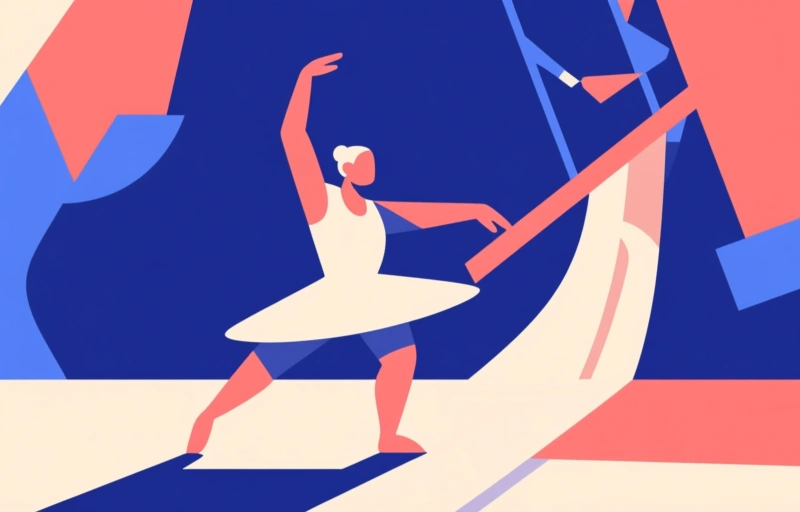
Generative AI is entering dance studios, offering new tools for choreographers while raising questions about creativity's future. Discover how technology is changing movement creation.
Let's talk about something that's been on my mind lately. You know how technology keeps creeping into every corner of our lives? Well, it's knocking on the studio door now. Generative AI isn't just writing poems or making pictures anymore—it's starting to move.
I've been watching this unfold, and honestly, it's both thrilling and a little unsettling. We're at this fascinating point where algorithms can analyze movement patterns and suggest sequences. They're learning from thousands of hours of dance footage, picking up on styles from ballet to hip-hop to contemporary.
### What AI Actually Does in the Studio
Here's the thing—AI doesn't create from nothing. It remixes. It learns from what already exists, then offers variations. Think of it like having a collaborator who's seen every performance ever recorded. This tool can suggest transitions you might not have considered or combinations that blend styles in unexpected ways.
I've seen choreographers using these systems as brainstorming partners. They'll input a mood, a musical phrase, or a movement quality, and the AI spits out possibilities. Some are ridiculous. Some are surprisingly elegant. The human artist still makes the final call, but the process gets expanded.
### The Real Question We Should Be Asking
Is this a threat to creativity? I don't think so. Not really. The fear reminds me of when photography emerged and people worried painting would die. Instead, painting evolved. It found new purposes. Dance will do the same.
What we're really looking at is a shift in how we create. The tools are changing, but the need for human expression? That's constant. AI can generate movement, but it can't understand why we dance. It doesn't feel the music in its bones or know what it means to communicate through motion.
Here's what I tell fellow choreographers who ask about this:
- Use AI as a sketchpad, not a master
- Let it handle the repetitive pattern work
- Save your creative energy for the emotional core
- Remember that technology serves the art, not the other way around
### Where This Is Actually Heading
We're not looking at robot dancers taking over stages. Not yet, anyway. What's more likely is that AI becomes another tool in our kit—like how video changed how we rehearse or how social media changed how we share work.
I imagine studios where AI helps with:
- Generating warm-up sequences tailored to each dancer's body
- Creating variations for different skill levels in the same class
- Suggesting modifications for dancers with injuries
- Helping visualize how choreography will look from different angles
There's this beautiful quote from a colleague that stuck with me: "The computer can show me where to put the feet. I still have to show the dancers why they're moving."
### What This Means for Dance Education
If you're teaching, this changes things. We need to prepare dancers for a world where they might collaborate with algorithms. That means emphasizing what makes us human—interpretation, emotional connection, storytelling.
The technical execution matters, of course. But the soul of the movement matters more. AI might be able to replicate steps, but it can't replicate presence. It can't create that electric moment when performer and audience connect.
So here's my take after watching this technology develop. We're not being replaced. We're being challenged. Challenged to dig deeper into what only humans can bring to dance. To focus less on perfect execution and more on authentic expression.
The future isn't about choosing between technology and tradition. It's about finding the harmony between them. About using every tool available to make work that moves people—literally and emotionally. And honestly? That's always been what dance is about.