How a Dance Studio Builds Community Through Passion
Julia Wagner ·
Listen to this article~4 min
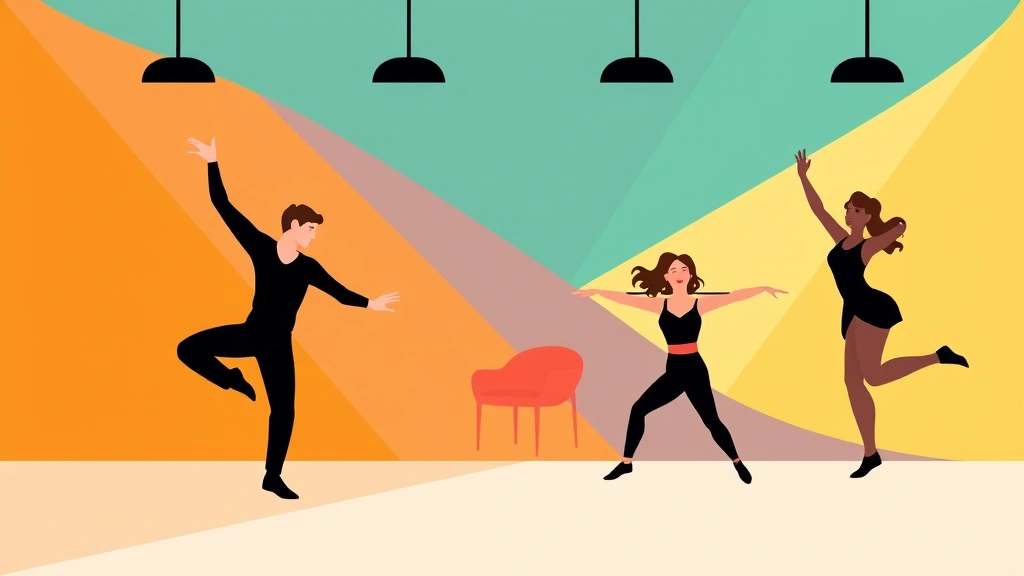
Discover how a dance studio becomes more than just a business—it becomes the vibrant, beating heart of a community, fostering connection, confidence, and shared passion through movement.
You know that feeling when you walk into a space and it just feels right? The energy's buzzing, people are smiling, and there's this shared sense of purpose hanging in the air. That's what a truly great dance studio creates. It's not just about teaching steps or perfecting technique—though those things matter, of course. It's about building something bigger. It's about giving a community a heartbeat.
I've seen it happen. A studio opens its doors, and suddenly, it becomes more than just a room with mirrors and a sound system. It becomes a place where people connect, where they challenge themselves, where they find a piece of themselves they didn't know was missing. That's the real magic. The passion isn't just in the choreography; it's in the people who show up, week after week, ready to move together.
### What Makes a Studio the Heartbeat of a Town?
Think about your own community for a second. What's missing? Often, it's a dedicated, welcoming space for creative expression. A successful dance studio fills that gap. It becomes a hub. It's where a 10-year-old takes her first ballet class, where a busy parent finds an hour of release in an adult hip-hop session, and where local choreographers get to workshop their latest ideas. It's a multi-generational meeting point built on a shared love for movement.
The impact goes way beyond the studio walls. When people come together to dance, they build relationships. They support each other. They celebrate each other's wins. That sense of belonging ripples out into neighborhoods, making the entire area feel more vibrant and connected. The studio isn't just a business; it's a community asset.
### The Practical Magic of Running a Studio
So, how do you build this? It starts with intention. You can't fake this kind of atmosphere. It has to be woven into everything you do.
- **Cultivate Inclusivity:** Offer classes for all ages and skill levels. A 6-foot-tall beginner should feel as welcome as a seasoned competitive dancer.
- **Hire for Heart:** Your instructors need to be technically skilled, but more importantly, they must be passionate about teaching and fostering growth. They're your culture carriers.
- **Create Shared Experiences:** Host informal showcases, community workshops, or open studio nights. It’s not always about a formal recital; sometimes it's just about sharing the joy.
- **Listen to Your Dancers:** What does your community want? More contemporary? A parents' night out workshop? Be flexible and responsive.
It’s about removing barriers. Maybe that means offering a sliding scale for fees or providing a small selection of loaner shoes. The goal is to say "yes, you belong here" in as many ways as possible.
One studio owner I spoke with put it perfectly: *"We're not selling dance classes. We're selling confidence, friendship, and a place to call your own. The dancing is just the beautiful vehicle for all of that."* That shift in perspective changes everything.
### The Ripple Effect You Can't Ignore
The benefits are tangible. For the dancers, it's improved physical fitness, mental clarity, and social connection. For the community, it's a thriving local business that employs artists, attracts families, and adds cultural value. A single studio can become a catalyst, inspiring other creative ventures and making a town a more desirable place to live.
It requires work, no doubt. Managing a space, scheduling classes, marketing—it's a lot. But when you see that moment when a shy student finally performs in front of others, or when a group of adults laugh their way through a combo they thought they'd never get, it all makes sense. You're not just running a studio; you're nurturing a community's spirit.
So if you're thinking about opening a studio or revitalizing an existing one, remember this: your most important product isn't the choreography. It's the feeling people get when they walk through your door. Build that with care, and the rest will follow.