How Dance Classes Foster Cultural Expression and Community
Julia Wagner ·
Listen to this article~4 min
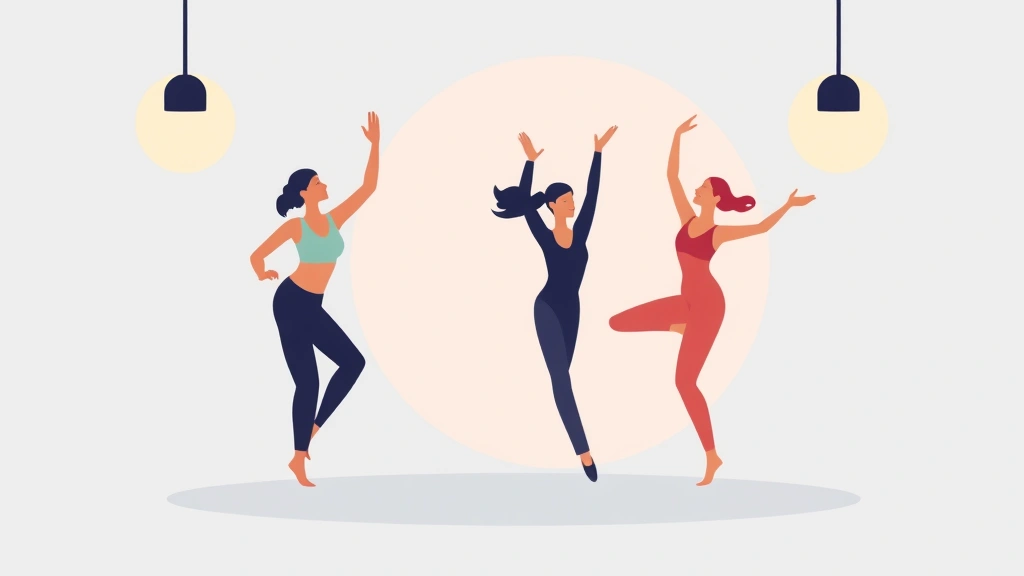
Discover how dance studios and choreographers can create inclusive programs that celebrate cultural diversity through movement. Learn practical approaches for building community and honoring traditions in your dance classes.
You know that feeling when you walk into a dance studio? It's more than just a room with mirrors and a barre. It's a space where stories get told without words, where heritage gets passed down through movement, and where people from completely different backgrounds find a common rhythm. That's the real magic of dance—it builds bridges.
I was thinking about this recently after hearing how some university programs are intentionally designing classes around cultural diversity. They're not just teaching steps; they're creating conversations. And honestly, that's something every studio owner and choreographer can learn from.
### Why Cultural Diversity in Dance Matters
Let's be real for a second. The dance world has sometimes felt... exclusive. Certain styles get all the spotlight while others stay in the background. But when you open your studio—or your curriculum—to diverse cultural expressions, something beautiful happens.
You're not just adding new moves to your repertoire. You're honoring traditions. You're showing students that their background matters. You're telling them, "Your story is worth dancing about."
Think about it from a business perspective too. Communities are changing. Families want their kids to connect with their roots. Adults are looking for more meaningful ways to move. Offering culturally diverse classes isn't just good ethics—it's good sense.
### What This Looks Like in Practice
So how do you actually build this kind of program? It starts with intention. Here's what some successful approaches include:
- **Collaboration over appropriation**: Working with cultural practitioners rather than just copying their moves
- **Context is everything**: Teaching the history and meaning behind each dance form
- **Student-led exploration**: Creating space for students to share their own cultural backgrounds
- **Accessible pricing**: Keeping classes affordable so everyone can participate
One instructor told me something that really stuck: "We're not teaching students to perform other cultures. We're teaching them to appreciate the humanity in every movement."
### The Ripple Effects You Might Not Expect
Here's where it gets interesting. When you create this kind of inclusive environment, the benefits spread way beyond the studio walls. Students start seeing connections everywhere—between different dance forms, between different communities, between art and everyday life.
They become better collaborators. They develop deeper empathy. They learn to listen with their whole bodies, not just their ears.
And for studio owners? You build stronger community ties. You attract a wider range of students. You become known as a place where everyone belongs—not just those who fit a certain mold.
### Making It Work for Your Space
Now, I know what you might be thinking: "This sounds great, but my studio is already stretched thin." Fair point. You don't need to overhaul everything overnight.
Start small. Maybe add one culturally-focused workshop this quarter. Invite a guest instructor from a tradition you don't usually feature. Create a "cultural spotlight" segment in your regular classes where you explore a different style each month.
The key is authenticity. Don't just check a diversity box. Really engage with the material. Learn alongside your students. Be okay with not being the expert in everything.
At the end of the day, dance has always been about connection. About expressing what words can't capture. About finding common ground even when our experiences are different. By embracing diverse cultural expressions, we're not changing what dance is—we're returning it to its deepest purpose.
Your studio could be the place where that happens. Where a teenager discovers pride in their heritage through movement. Where neighbors from different backgrounds become dance partners. Where the community gathers not just to watch performance, but to participate in something bigger than themselves.
That's not just good dance education. That's building the world we want to live in, one step at a time.