Hand Dance: A 75-Year Washington Tradition Uniting…
Julia Wagner ·
Listen to this article~5 min
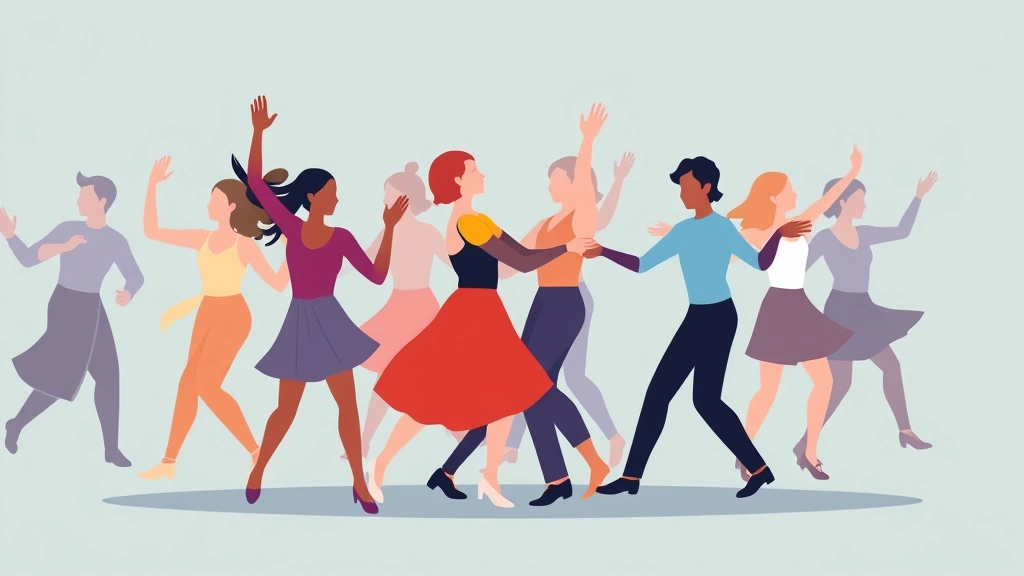
For 75 years, hand dance has been the rhythmic heartbeat of Washington, D.C., uniting communities through smooth partner movements and soulful music. Discover how this living tradition thrives and why dance studios are key to its future.
You know that feeling when you find a rhythm that just feels like home? For generations of Washingtonians, that rhythm has a name: hand dance. For 75 years, this vibrant, partner-based dance style has been the heartbeat of community gatherings, a living tradition that refuses to fade. It's more than just steps; it's a conversation without words, a connection that bridges neighborhoods and generations.
Think about the last time you felt truly connected to your city's culture. Hand dance offers that. Born in the African American communities of Washington, D.C., in the late 1940s, it evolved from Lindy Hop and swing, adapting to the local sound and soul. It's a story of resilience and joy, passed down in church basements, community centers, and family living rooms.
### What Exactly Is Hand Dance?
If you're new to the scene, you might be wondering what sets it apart. At its core, hand dance is a smooth, six-count partner dance. The name comes from the emphasis on intricate hand movements and connection between partners. It's often danced to mid-tempo R&B, soul, and go-go music. The footwork is fluid, but the real magic happens in the lead-and-follow communication through the hands. It's less about flashy aerials and more about sophisticated, grounded movement and musicality.
### Why It's Still Thriving After 75 Years
So, how does a dance style not just survive but thrive for three-quarters of a century? The answer is community. Hand dance never became a fad for the mainstream; it remained a cherished practice within the communities that created it. Its longevity is a testament to its role as a social glue. It's where grandparents teach grandchildren, where newcomers are welcomed, and where the stress of the week melts away on a Friday night.
- **Accessibility:** You don't need a professional background. The basic steps are welcoming to beginners.
- **Social Focus:** It's inherently a partner dance, fostering interaction and new friendships.
- **Cultural Anchor:** It serves as a living history lesson, preserving a unique piece of D.C.'s cultural fabric.
- **Physical & Mental Joy:** It's fantastic exercise, but participants often talk more about the mental lift and sense of belonging.
I once heard a longtime dancer describe it as "the city's best-kept secret that everyone is invited to." That's the spirit. It's not performed on competition stages for television; it's lived in local halls where the dress code is sharp, the music is warm, and the floor is always open.
### The Role of Dance Studios and Choreographers
This is where local dance studios and independent choreographers come in. You're the keepers of these traditions. By offering hand dance classes, you're doing more than teaching steps; you're facilitating community. You're providing the space—both physical and social—for this tradition to breathe and grow. For choreographers, exploring hand dance opens a rich vein of American vernacular dance history to incorporate into your work, adding depth and authenticity.
Offering a beginner series can be a gateway. Think about it: in a city that can feel transient and fast-paced, you're offering a touchstone, a way for people to put down roots through rhythm. The demand for authentic, connection-driven experiences is huge. Hand dance delivers that in spades.
### Keeping the Tradition Alive for the Next 75
The future of hand dance looks bright, but it's not automatic. It requires intention. It needs studios to host classes, seasoned dancers to volunteer as mentors, and local musicians to keep playing those classic grooves. It's a beautiful example of how cultural preservation is an active verb, not a passive noun. It happens in the choices we make about what to teach, what to celebrate, and what spaces we create for people to come together.
In the end, hand dance reminds us why we dance in the first place. It's not about perfection. It's about pulse. It's about the laugh when you miss a turn, the nod of approval from a veteran on the sideline, and the simple, profound joy of moving in sync with another person to a shared beat. That's a tradition worth stepping into.