From Office Chairs to Highland Fling: A Dance Teacher's…
Julia Wagner ·
Listen to this article~5 min
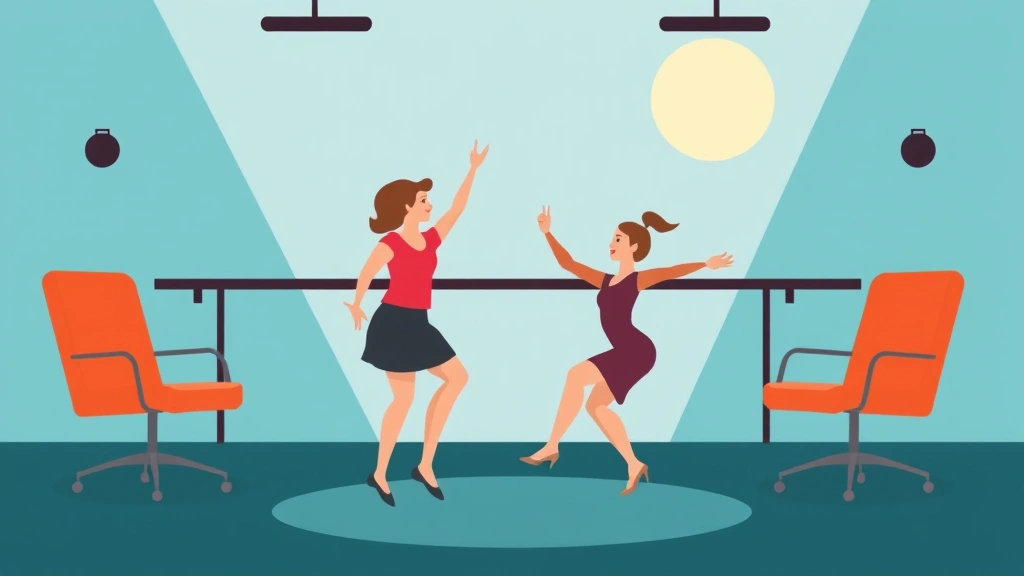
A dance teacher trades office life to teach Scottish Highland dance in the US, building community and preserving cultural tradition through movement and story.
You know that feeling when your day job just doesn't feel like your life's work? That's exactly where our story begins. Picture this: a standard office chair, fluorescent lights, and spreadsheets. Now, imagine trading all that for the vibrant swirl of a kilt, the rhythmic stomp of feet, and the soul-stirring sound of bagpipes. That's the leap one dedicated dance teacher took to keep Scottish tradition alive right here in the United States.
It's a story about passion winning over practicality. About finding your true calling not in a cubicle, but in a dance studio filled with music and movement. This teacher didn't just change careers; they became a guardian of culture, translating centuries-old Scottish Highland dance from its misty origins to modern American classrooms.
### Why Highland Dance Matters Today
You might wonder, why focus on a tradition from across the Atlantic? Here's the thing—Highland dance is more than just steps. It's history in motion. Each dance tells a story, from the sword dances of ancient warriors to the celebratory flings of Scottish gatherings. In a world that's constantly rushing forward, these dances connect us to a rich, tactile past. They teach discipline, grace, and a unique form of artistic expression that you just don't get from staring at a screen all day.
For studio owners and choreographers, incorporating cultural dance forms like this can be a game-changer. It diversifies your class offerings and taps into students looking for something with deep roots and meaning. It's not just another fitness class; it's an experience.
### Building a Community, One Step at a Time
Starting this journey wasn't easy. Imagine convincing people that Scottish dance is cool, relevant, and incredibly fun. The teacher had to become a marketer, a historian, and a community builder all at once. They began with small workshops, often teaching in borrowed spaces or community centers. The key was making it accessible and demystifying the kilt! They focused on the joy of movement first, the technique second.
Here’s what made the difference:
- **Focus on Fun:** Classes were structured to be welcoming, breaking down complex steps into manageable, enjoyable chunks.
- **Cultural Context:** Each lesson included a snippet of history—why this dance existed, what the music meant. It gave the movements purpose.
- **Inclusive Environment:** From kids to adults, complete beginners to those with two left feet, everyone was encouraged to try. No prior dance experience required.
As one early student put it, *'I came for the exercise, but I stayed for the story. Feeling that connection to another culture through my own body is powerful.'*
### The Real Impact on Students and Studio
The transformation went beyond the dance floor. Students reported not just improved coordination and fitness, but also a surprising boost in confidence and a sense of belonging to a unique community. For the studio, it carved out a special niche. In a market saturated with ballet, hip-hop, and jazz, offering authentic Highland dance set them apart. It attracted a dedicated clientele passionate about cultural arts, willing to invest in quality instruction.
Financially, it created a new revenue stream. Specialized workshops can command premium pricing, often between $45 to $75 for a 90-minute session. Recitals featuring Highland dance became standout events, drawing crowds and local media attention that generic performances might not. It proved that specializing in a cultural tradition isn't a limitation; it's a powerful branding tool.
### Lessons for Dance Professionals
So, what can you, as a studio owner or choreographer, take from this? The core lesson is about authenticity. Don't just add a class because it's trendy. Find a tradition or style you genuinely connect with and become its local ambassador. Your passion will be contagious. Start small, maybe with a single six-week introductory course. Partner with local cultural associations for credibility and cross-promotion.
Remember, you're not just teaching steps. You're keeping a story alive. You're giving people a way to move that means something. Whether it's the Highland Fling or another world dance form, that depth of purpose is what turns casual students into lifelong advocates for your studio. In the end, it's about creating more than dancers—it's about cultivating appreciators of art, history, and shared human experience, all from your own studio floor.