From Dancer to Dance Artist: Lessons Across the Atlantic
Julia Wagner ·
Listen to this article~5 min
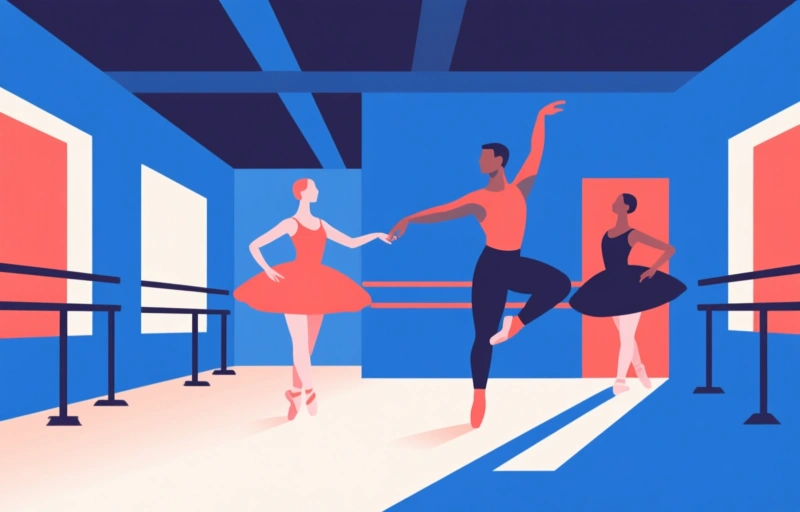
Making the leap from dancer to dance artist is a journey that takes guts, growth, and self-reflection. Learn lessons from both sides of the Atlantic to evolve your mindset and create with confidence.
Making the leap from dancer to dance artist is a journey that takes guts, growth, and a whole lot of self-reflection. I've seen it happen on both sides of the Atlantic, and the lessons are universal. You don't just perfect your technique; you evolve your entire mindset. Let's break down what that shift really looks like.
### The Mindset Shift: From Performer to Creator
When you're a dancer, your job is to execute someone else's vision. You show up, you train, you nail the choreography. But being a dance artist? That's different. You start asking "why" instead of just "how." You bring your own ideas to the table, even if they feel raw or unpolished.
I remember working with a choreographer in New York who told me, "Stop waiting for permission to create." That hit hard. It's easy to stay in the comfort zone of being told what to do. But the real growth happens when you take ownership of your voice. You might stumble, but that's part of the process.
### Lessons from the US and European Scenes
Both sides of the Atlantic offer unique lessons. In the US, there's a hustle mentality. You network, you pitch yourself, you build a brand. Classes in Los Angeles or New York can cost anywhere from $15 to $40 per session, and you're constantly competing for attention. But that pressure teaches you resilience.
In Europe, especially in cities like London or Berlin, the focus is often on collaboration and conceptual depth. You might spend weeks developing a single piece, exploring movement as a conversation. The pace is slower, but the artistic payoff is huge.
Here's a quick comparison:
- **US approach**: Fast-paced, individualistic, business-savvy. You learn to market yourself and adapt quickly.
- **European approach**: Collaborative, process-oriented, experimental. You dive deep into the "why" behind each move.
- **Common ground**: Both demand vulnerability and a willingness to fail in front of others.
### Building Your Toolkit as a Dance Artist
So how do you actually make the transition? Start small. You don't need a full production to call yourself an artist. Try these steps:
- **Create a 3-minute solo** based on a personal story. Film it and watch it back. Notice what feels true and what feels forced.
- **Collaborate with one other artist**—a musician, a visual artist, or another dancer. Mixing mediums pushes you out of your comfort zone.
- **Keep a movement journal**. Write down ideas, frustrations, and breakthroughs. It helps you track your evolution.
One thing I've learned is that feedback is gold. But you have to ask for it from people you trust. Not everyone will get your vision, and that's okay.
> "The most important thing is to be honest with yourself about what you want to say, even if it scares you." — A mentor once told me this, and it stuck.
### Practical Tips for US-Based Dance Professionals
If you're working in the US dance scene, here are a few practical moves:
- **Invest in your network**. Go to open classes, attend showcases, and follow up with people you meet. A simple coffee chat can lead to a collaboration.
- **Set a budget for your art**. Classes, studio rentals, and costumes add up. Aim to spend no more than $200 per month on training and creation if you're just starting.
- **Use social media strategically**. Share behind-the-scenes clips or short improvisations. It's not about perfection; it's about showing your process.
### The Bottom Line
Transitioning from dancer to dance artist isn't a one-time event. It's a continuous evolution. You'll have days when you feel like a fraud and days when you feel unstoppable. Both are part of the gig. The key is to keep moving, keep questioning, and keep creating.
Whether you're in a studio in Brooklyn or a theater in Berlin, the journey is yours to shape. And honestly? That's the most exciting part.
*This article was inspired by discussions with choreographers and dancers across the US and Europe. For further reading, check out the original piece from Arts Professional (external link, nofollow).*