From Dance Studio to Corner Shop: A Zoning Success Story
Julia Wagner ·
Listen to this article~4 min
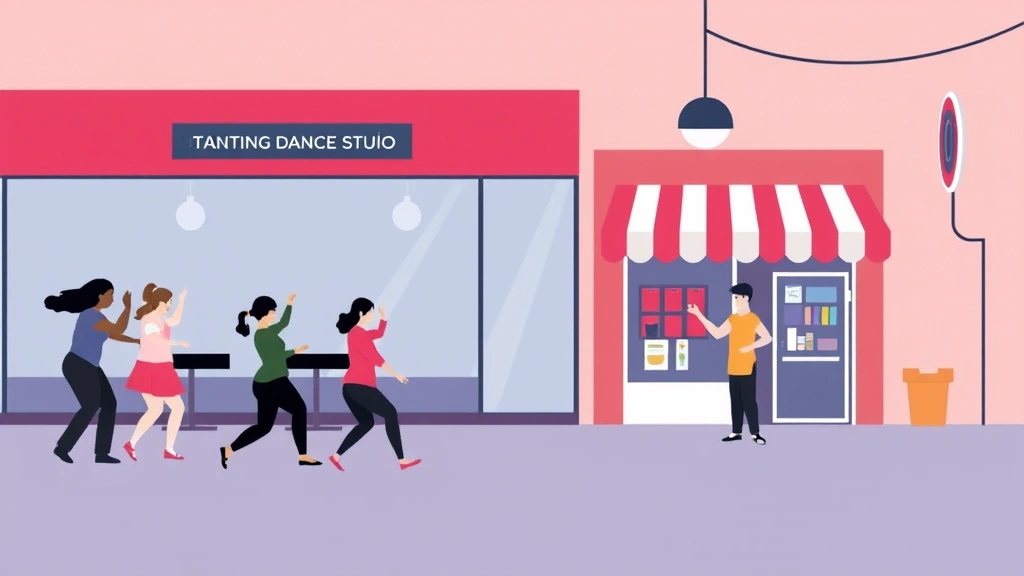
A former dance studio in Bolton successfully transitions to a corner shop after receiving retrospective planning permission. This story explores the practicalities of space conversion and lessons for dance professionals on location and community integration.
You know how it goes. A space sits empty for a while, and someone with a bit of vision sees potential where others just see four walls. That's exactly what happened with a former dance studio in Bolton, which recently got the official green light to operate as a corner shop. It's a story about community, adaptation, and navigating those tricky planning permissions.
Let's talk about that last part for a second. "Retrospective permission" sounds like bureaucratic jargon, but it's actually a pretty common scenario. Imagine you start a small business, maybe you convert part of your home or an unused commercial space. You're focused on serving customers and making ends meet. Sometimes, the formal paperwork for the change of use lags behind the reality on the ground.
That's what happened here. The shop had already been operating, serving the local neighborhood, before the formal application was submitted and approved. Getting that retrospective approval is a huge win. It means the local council recognized the value the business brings to the area and legitimized its operation.
### Why This Conversion Makes Sense
Think about the physical space of a dance studio. They're often open-plan, with good floor space, and located in accessible areas—sometimes right on a street corner. These are also the exact qualities you want in a neighborhood convenience store. The infrastructure is already there: parking for deliveries (or for parents waiting during ballet class), and visibility to foot and car traffic.
For dance studio owners or choreographers reading this, there's a lesson in flexibility. The commercial landscape shifts. A space dedicated to art and movement one decade might best serve the community as a retail hub the next. It's not about one being better than the other; it's about the space continuing to have a pulse, to be a living part of the neighborhood.
### The Bigger Picture for Dance Professionals
This story isn't just about a building changing hands. It highlights important considerations for anyone running a dance studio or similar creative business.
- **Location is Everything:** Whether it's for pliés or purchasing milk, easy access and visibility are key. When scouting for a studio space, consider its long-term viability and alternative uses.
- **Understand Zoning:** Local ordinances dictate what you can and can't do in a commercial property. Always check the permitted use before signing a lease or making significant changes.
- **Community Integration:** The most successful local businesses, dance studios included, become hubs. They know their neighbors. This shop's approval suggests it filled a genuine need, just as a good dance studio becomes essential to its students' lives.
As one local planner was quoted as saying about similar cases, "It's about balancing regulation with supporting the vitality of our high streets." That's a principle that applies just as much to the arts as it does to retail.
So, the next time you pass a converted space, take a second look. That corner shop might have a history of pirouettes in its past. And for dance professionals, it's a reminder to think pragmatically about your space—its location, its structure, and its place in the community's ever-changing rhythm. After all, adaptability is a kind of choreography too.