Finding Your Voice Through Dance: Insights from a Regional Festival
Julia Wagner ·
Listen to this article~5 min
Discover how regional dance festivals help young artists find their unique voice through movement. Insights for dance professionals on fostering authentic expression in students.
You know that feeling when words just aren't enough? When there's something inside you that needs to come out, but sentences feel too small, too rigid? That's where dance steps in. It's not just about steps and routines—it's about finding a language that lives in your bones.
I was thinking about this after hearing about the Northwest Regional High School Dance Festival. It's one of those events that reminds you why movement matters so much. Young dancers from all over come together, not just to perform, but to discover something about themselves.
### Why Dance Festivals Matter for Young Artists
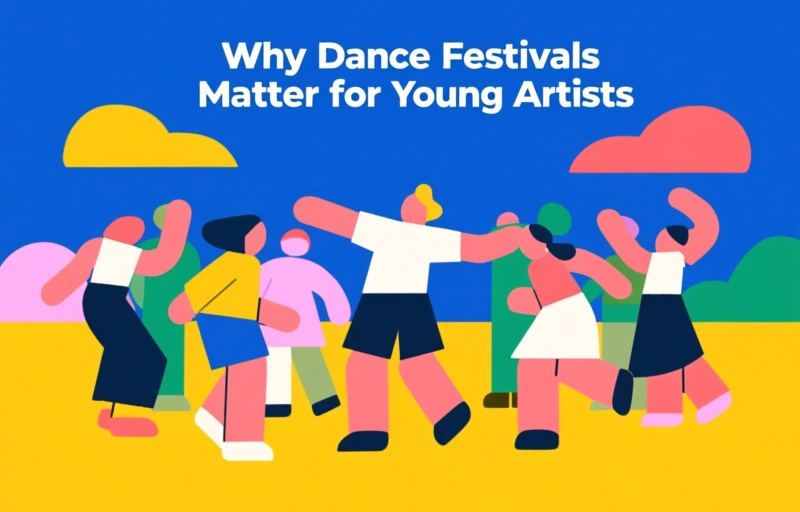
These regional gatherings are more than just competitions. They're incubators for creativity. For many students, it's their first taste of a larger dance community beyond their studio walls. They get to see different styles, from contemporary to hip-hop to ballet, all in one place.
But here's what really struck me—the festival isn't about creating perfect clones. It's about helping each dancer find their unique expression. The instructors and choreographers there understand something fundamental: technical skill is important, but it's the personal voice that makes art resonate.
### The Connection Between Movement and Identity
Think about it for a second. When you're learning choreography, you're not just memorizing steps. You're figuring out how your body interprets those movements. Two dancers can perform the same routine, and it'll look completely different because of their individual qualities.
- Their personal history shapes their movement
- Their emotional state influences their expression
- Their physicality determines how they execute each motion
- Their personality shines through in their performance choices
That last point is crucial. The festival environment encourages students to bring their whole selves to the dance floor. It's not about hiding behind technique—it's about using technique to reveal who you are.
### Creating Space for Authentic Expression
As someone who works in design, I see parallels everywhere. Good UX isn't about forcing users into a box—it's about creating interfaces that feel natural to them. Dance instruction works the same way. The best teachers don't impose a single style; they help students discover their own.
One choreographer at the festival put it beautifully: "We're not teaching them to dance like us. We're teaching them to dance like themselves, just better." That philosophy changes everything. It turns dance from an external skill to an internal exploration.
### Practical Takeaways for Dance Professionals
If you're running a studio or teaching classes, there are lessons here. First, consider how you're structuring your curriculum. Are you leaving room for personal expression, or is it all about mastering set routines?
Second, think about performance opportunities. Festivals like this one provide something valuable: a low-stakes environment where students can experiment. They're not just dancing for scores—they're dancing for growth.
Finally, remember that finding one's voice takes time. It's a messy process. Some days it flows easily; other days it feels forced. The key is creating a supportive environment where that exploration feels safe.
### The Lasting Impact Beyond the Festival
What happens after the festival ends? That's where the real work begins. Students return to their regular studios with new perspectives. They've seen what's possible. They've connected with peers who share their passion. Most importantly, they've taken steps toward understanding their own artistic identity.
For dance professionals, this is our calling. We're not just teaching steps—we're helping people discover a form of communication that transcends words. We're giving them tools to express joy, pain, confusion, and hope through their bodies.
The next time you're in the studio, take a moment to listen. Not with your ears, but with your eyes. Watch how each dancer moves differently. Notice the small choices that make their performance uniquely theirs. That's where the magic happens—in those moments of authentic self-expression.
And if you ever doubt the importance of what we do, remember those high school dancers finding their voices. They're not just learning to dance; they're learning to speak a language that has no words, yet says everything that matters.