Fall Prevention Exercises for Senior Women
Julia Wagner ·
Listen to this article~5 min
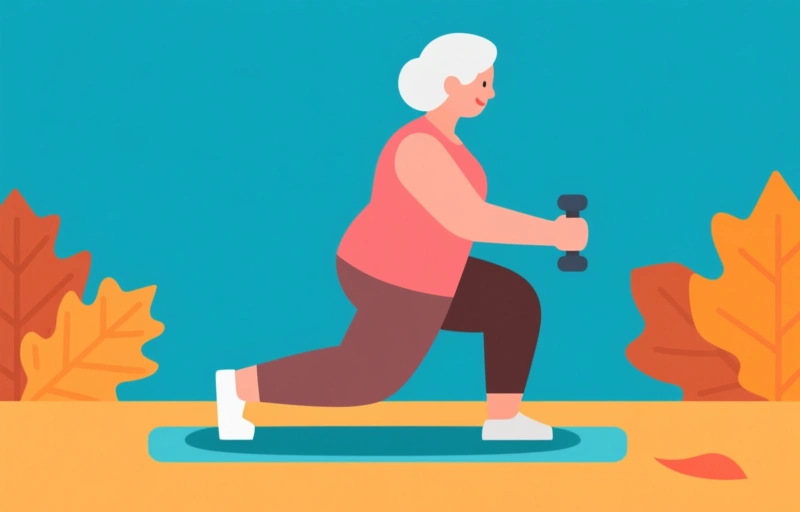
Discover simple, effective exercises that help senior women improve balance and prevent falls. Learn practical movements that build stability and confidence for safer, more joyful movement.
Let's talk about something that doesn't get enough attention in dance studios and fitness spaces—keeping our older dancers and clients safe from falls. It's not just about choreography or flexibility; it's about building the foundation that lets them move confidently through life.
You know that moment when a dancer hesitates before a new step? That same hesitation happens off the dance floor too, especially for women over 60. The fear of falling can become a real barrier to movement. But here's the good news—simple, targeted exercises can make a world of difference.
### Why Balance Matters More Than You Think
Think of balance like the core strength of daily living. Without it, everything feels shaky. For older women, a single fall can lead to fractures, hospital stays, and a loss of independence that's hard to recover from. The statistics are sobering—one in four Americans over 65 falls each year.
But here's what I've learned working with mature dancers: when you improve balance, you improve everything. Confidence returns. Movement becomes joyful again. And the best part? You don't need fancy equipment or hours of training to see results.

### Simple Exercises That Actually Work
These aren't complicated routines. They're foundational movements that build stability from the ground up. The key is consistency—just 10-15 minutes a day can create meaningful change.
- **Heel-to-Toe Walking**: Practice walking in a straight line, placing the heel of one foot directly in front of the toes of the other. It's harder than it sounds! Start with 10 steps and work your way up.
- **Single-Leg Stands**: Hold onto a chair back for support, then lift one foot just a few inches off the ground. Aim for 30 seconds on each side. This builds ankle strength and proprioception.
- **Chair Squats**: From a seated position, stand up without using your hands, then slowly lower back down. Do 8-10 repetitions. This strengthens the legs and improves functional mobility.
- **Toe Raises**: While standing, slowly rise up onto your toes, then lower back down. Three sets of 15 repetitions will strengthen calves and improve ankle stability.
What's fascinating is how these simple movements translate to better dance performance too. I've seen students who struggled with basic turns suddenly find their center after just a few weeks of balance work.
### Making It Part of Your Routine
The biggest challenge isn't knowing what to do—it's actually doing it consistently. Here's my advice: pair these exercises with something you already do every day. Do heel-to-toe walks while brushing your teeth. Practice single-leg stands while waiting for the microwave. Make it part of your life, not an extra chore.
One of my favorite quotes from a 72-year-old student sums it up perfectly: "I started these exercises to prevent falls, but I kept doing them because they made me feel like a dancer again."
That's the real magic here. It's not just about avoiding injury—it's about reclaiming the joy of movement. When you feel stable on your feet, you walk taller. You move with more confidence. You approach new dance steps with curiosity instead of fear.
### The Ripple Effect of Better Balance
Here's something most people don't consider: when you improve your balance, you're not just helping yourself. You're creating a safer environment for everyone in your dance community. Teachers can focus more on artistry and less on safety concerns. Classmates feel more comfortable trying new movements. The entire studio becomes a more supportive space.
And let's be honest—we're all aging. These exercises benefit dancers of every age. The 20-year-old who wants better turns. The 40-year-old recovering from injury. The 60-year-old rediscovering her love of movement. Good balance is the gift that keeps giving.
So here's my challenge to you: pick one exercise from this list and try it today. Just one. See how it feels. Notice which muscles engage. Pay attention to your breathing. That small start could be the beginning of a much bigger change—not just in your balance, but in how you move through the world.
Because at the end of the day, that's what we're all here for—to keep dancing, to keep moving, to keep living fully at every age and stage. And it all starts with standing firmly on our own two feet.