Exploring Dreamt Identities in Contemporary Dance…
Sarah Jenkins ·
Listen to this article~4 min

Explore how contemporary dance tackles themes of identity, memory, and imagined personas. Discover practical approaches for choreographers and studio owners to foster artistic exploration and authentic performance.
Have you ever watched a dance piece and felt like you were glimpsing into someone else's dreams? That's the sensation many choreographers aim for when exploring identity through movement. Today, let's talk about how contemporary dance tackles these complex themes of self, memory, and imagined personas.
It's fascinating, really. When dancers step onto that stage, they're not just performing steps. They're embodying stories, emotions, and sometimes entire alternate realities. The studio becomes a laboratory where identities can be tried on, tested, and transformed.
### Why Identity Exploration Matters in Dance
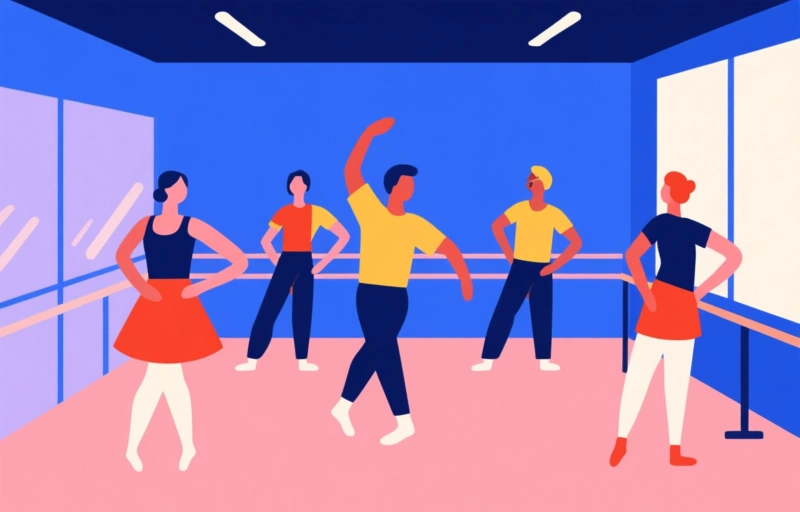
Think about your own studio for a moment. Your students come in carrying their daily lives—their worries, their joys, their personal histories. Dance gives them a space to explore who they are beyond those everyday roles. It's not about escaping reality, but about discovering deeper layers of self.
I've seen it happen countless times. A quiet student finds their voice through powerful movement. A technically perfect dancer learns to embrace imperfection and vulnerability. These transformations don't just happen on stage—they begin in the studio during those ordinary Tuesday afternoon classes.
### Creating Space for Artistic Exploration
So how do we foster this environment? It starts with creating psychological safety. Students need to know they can experiment without judgment. Here's what I've found works:
- Begin with improvisation exercises that focus on emotional states rather than technical perfection
- Use guided imagery to help dancers connect movement to personal experiences
- Encourage journaling about movement discoveries and emotional responses
- Create duet work where dancers explore relationship dynamics through movement
One of my favorite quotes from a mentor always comes to mind: "The body remembers what the mind forgets." That's the magic we're working with—helping dancers access those stored memories and emotions through physical expression.
### Translating Personal Discovery to Performance
This is where it gets really interesting. How do we take those personal discoveries and shape them into something an audience can connect with? The key is authenticity. Audiences can sense when movement comes from a genuine place versus when it's just technically executed.
I remember working with a company on a piece about family heritage. We didn't start with choreography. We started with stories—dancers sharing memories, objects, photographs. The movement vocabulary emerged naturally from those conversations. The result was powerful because every gesture carried meaning.
### Practical Applications for Your Studio
You don't need a major festival stage to explore these concepts. Start small. Next week, try dedicating 15 minutes of class to identity exploration. Ask your dancers: "If your movement had a color, what would it be today?" or "What story does your body want to tell right now?"
Watch what happens. You'll likely see more engaged students, more creative problem-solving, and yes—more technically proficient dancing too. When dancers connect emotionally to movement, their technique serves a purpose beyond mere execution.
The beautiful thing about dance is that it's always evolving, just like our identities. What works today might shift tomorrow, and that's okay. The important part is creating that space for exploration, for dreaming, for discovering who we are—and who we might become—through movement.
So next time you're planning choreography or designing a class, ask yourself: What identities are waiting to be dreamed here? The answers might surprise you, and they'll definitely enrich your work.