Deep River Dance Class Preserves Afro-Colombian Culture
Julia Wagner ·
Listen to this article~4 min
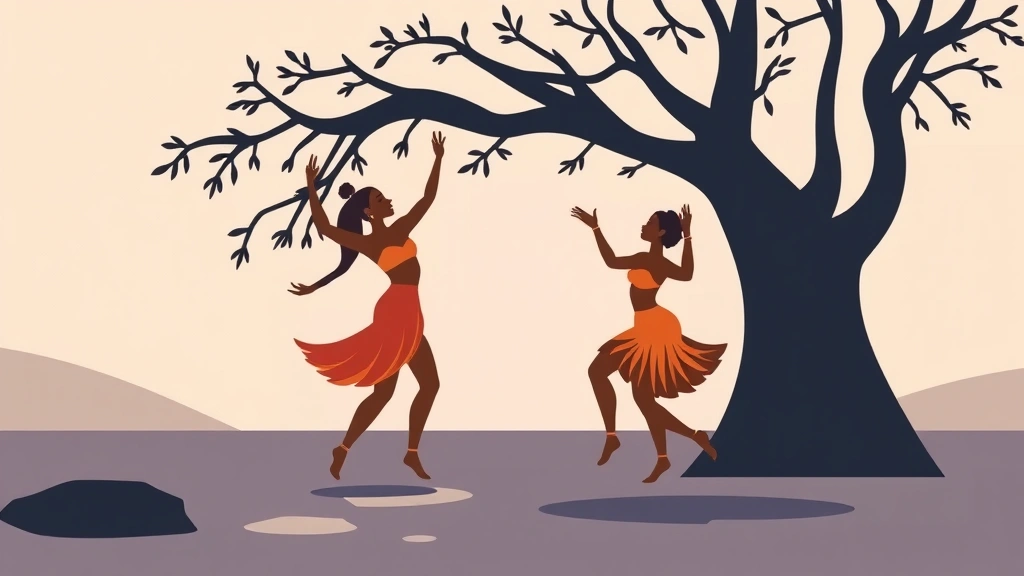
A dance class in Deep River, CT, is preserving Afro-Colombian heritage through movement, building community and keeping cultural traditions alive far from their origin.
You know, sometimes you stumble across something that's about so much more than what it appears to be on the surface. That's exactly what's happening in a small Connecticut town called Deep River. There's a dance class there that's creating waves, but not just for the physical movement. It's becoming a vital heartbeat for preserving Afro-Colombian heritage right here in New England.
It makes you think about what we're really doing when we step into a studio. Are we just there to burn calories and learn steps? Or could we be connecting to something deeper, something that stretches across continents and generations? This class answers that question with a resounding yes to the latter.
### More Than Just Movement
This isn't your typical fitness-focused dance session. The rhythm, the steps, the very soul of the class is rooted in the traditions of Colombia's Pacific coast. It's a living, breathing cultural exchange. Every beat of the drum and every sway of the hip tells a story—a story of resilience, community, and identity that might otherwise fade in a new land.
Instructors aren't just teaching choreography; they're sharing history. They're explaining the significance behind the movements, many of which have been passed down through families for centuries. It transforms the studio from a simple room with mirrors into a sacred space for cultural continuity.
### Building Community Through Rhythm
What's truly remarkable is how the class has fostered a tight-knit community. People don't just show up, dance, and leave. They connect. They share stories. They support one another. For many participants, especially those with Colombian roots, it's a powerful touchstone to home.
- It provides a sense of belonging for immigrants and first-generation Americans.
- It educates curious locals about a rich cultural tradition they may never have encountered.
- It creates a joyful, inclusive environment where everyone is welcome to learn and celebrate.
The energy in the room is palpable. You can feel the collective joy and pride. It's a reminder that dance is one of humanity's most universal languages, capable of bridging gaps that words sometimes cannot.
### The Ripple Effect Beyond the Studio
The impact of this class doesn't stop when the music ends. Participants carry the rhythms and the stories with them. They share them with their families. They talk about it with friends. It sparks conversations about cultural preservation and the importance of keeping traditions alive in a modern, globalized world.
One regular attendee put it perfectly: "This class isn't just about remembering where we came from; it's about ensuring those traditions have a future here, too."
That sentiment hits home. In a state like Connecticut, known for its own deep history, this infusion of Afro-Colombian culture adds a beautiful, vibrant new layer to the community tapestry. It shows how immigrant experiences enrich the places we call home, making them more dynamic and interconnected.
### Why This Matters for Dance Professionals
If you're a studio owner or choreographer, there's a powerful lesson here. Dance has the unique power to be transformative on multiple levels. It can be:
- A rigorous physical workout
- A profound artistic expression
- A vital tool for cultural education and preservation
Embracing this multifaceted role can set your offerings apart. It moves beyond transactional class fees and into the realm of meaningful experience—which is what people are truly seeking. They want connection. They want purpose. They want to be part of something bigger than themselves.
This Deep River class is a shining example of that potential. It proves that a local studio can have a global impact, one step at a time. It challenges us all to think about the stories we're telling through our movement and the communities we're building with every class we teach.