Dancing with Dementia: How Movement Classes Support Cognitive Health
Julia Wagner ·
Listen to this article~4 min
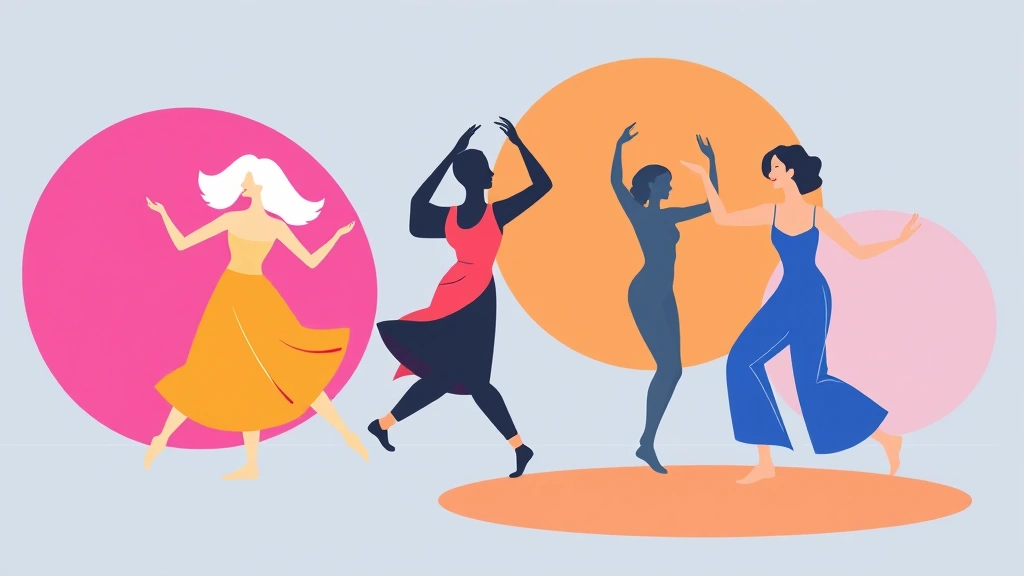
Discover how specialized dance classes are transforming dementia care through movement, music, and community connection. Learn about the cognitive and emotional benefits of dance therapy.
You know that feeling when music just moves you? When your body starts swaying before your brain even catches up? That's the magic we're talking about today—and it's changing lives in unexpected ways.
I recently learned about something truly special happening in community spaces across the country. Dance classes specifically designed for people living with dementia are popping up, and the results are nothing short of remarkable.
### Why Dance Makes a Difference
Let's be real for a moment. Dementia can feel isolating—for both the person experiencing it and their loved ones. Traditional therapies have their place, but sometimes the most powerful medicine doesn't come in a bottle.
Dance does something unique. It bypasses the cognitive roadblocks and speaks directly to the body's memory. The rhythm, the movement, the connection—it all adds up to something bigger than just exercise.
Here's what makes these classes work:
- Music triggers emotional memories that words can't reach
- Movement improves circulation and physical coordination
- Social interaction reduces feelings of isolation
- Structured routines provide comforting predictability
### Building Community Through Movement
What struck me most wasn't just the physical benefits. It was watching people light up—seeing smiles return to faces that had grown distant. The classes create this beautiful space where ability levels don't matter as much as participation does.
One instructor told me something I'll never forget: "We're not teaching dance steps. We're creating moments of joy."
And isn't that what we all need more of? Moments where we feel connected, alive, and truly present?
### The Science Behind the Rhythm
Now, I'm no neuroscientist, but the research backs this up beautifully. Studies show that dance activates multiple brain regions simultaneously—the parts that control movement, rhythm, emotion, and memory all fire up together.
It's like giving your brain a full workout while your body moves to the beat. The combination of music and movement creates neural pathways that other activities just can't match.
Regular participants show improvements in:
- Mood and emotional regulation
- Balance and fall prevention
- Social engagement
- Sleep patterns
- Overall quality of life
### Creating Accessible Programs
The beauty of these classes is their adaptability. Instructors work with participants' current abilities, not what they've lost. Chairs are available for those who need support. Tempos adjust to match the group's energy. Every class meets people where they are.
Most programs charge around $15-$25 per session, with many offering sliding scale options. Some community centers even provide scholarships because—let's face it—everyone deserves access to joy.
### What Caregivers Notice
Here's where it gets really interesting. Family members and caregivers report changes that go beyond the dance studio. Participants often show:
- Increased verbal communication after classes
- Better appetite and hydration
- Reduced anxiety and agitation
- More engagement during family visits
- Improved recall of recent events
It's like the dance class becomes a bridge back to the world—a way to reconnect when other paths seem blocked.
### Getting Started in Your Community
If this resonates with you, here's my suggestion: look around. Check local community centers, senior living facilities, and dance studios. Many offer trial classes so you can see if it's the right fit.
Remember, it's not about perfect technique. It's about showing up, moving to the music, and sharing space with others on similar journeys.
As one participant's daughter told me, "For those 45 minutes, I get to dance with my mom again. Not as her caregiver, but as her partner."
That's the real magic, isn't it? Finding connection where we least expect it, one step at a time.