Dance Therapy for Parkinson's: Improving Movement in Grand…
Julia Wagner ·
Listen to this article~4 min
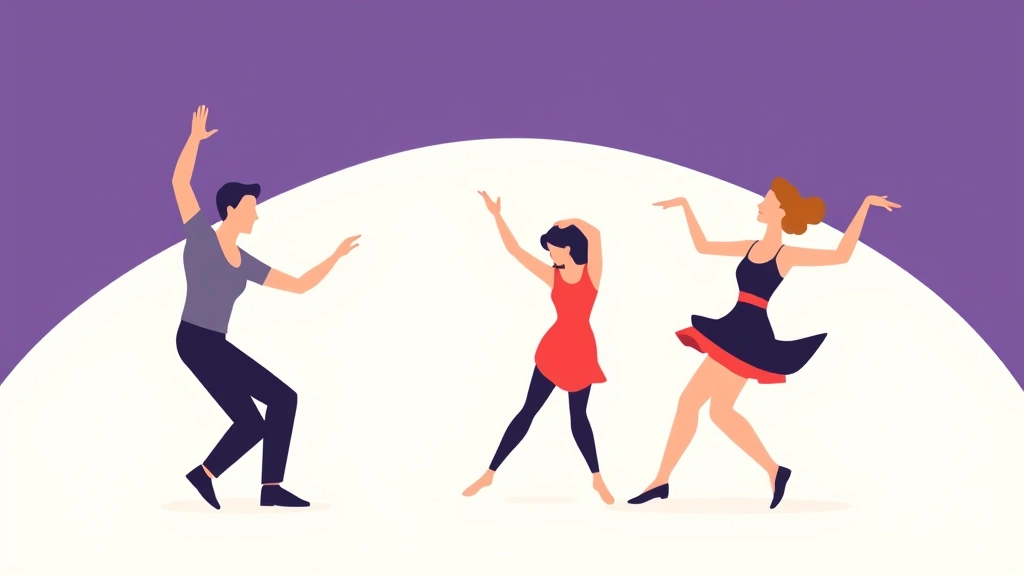
Discover how dance therapy is helping Parkinson's patients in Grand Rapids regain movement, balance, and joy through rhythm and community connection.
You know that feeling when music just moves you? When your body starts to sway almost without you thinking about it? That's the magic we're talking about here. And for people living with Parkinson's disease in Grand Rapids, that magic is becoming something more—it's becoming therapy.
Dance therapy isn't just about learning steps or routines. It's about reconnecting with your body in a joyful way. When Parkinson's makes everyday movements feel stiff or unpredictable, dance offers a different path forward. One that's filled with rhythm, music, and community.
### How Dance Therapy Works for Parkinson's
So what's actually happening in these sessions? It's not your typical dance class. Instructors understand the specific challenges Parkinson's presents—the tremors, the rigidity, the balance issues. They design movements that work with these challenges, not against them.
Think about reaching for a glass on a high shelf. That simple action can become incredibly difficult with Parkinson's. Now imagine practicing that same reaching motion to beautiful music, with supportive people around you. That's the transformation we're seeing.
### The Grand Rapids Connection
Right here in our community, dance studios and therapists are creating safe spaces for this work. They're not just teaching dance—they're building confidence. One participant shared something that stuck with me: "For that hour, I forget I have Parkinson's. I'm just dancing."
That's powerful stuff. When you're focused on following the rhythm or connecting with a partner, you're not thinking about your diagnosis. You're present. You're moving. And that presence carries over into daily life.
### Tangible Benefits Beyond the Studio
What changes do people actually notice? Let's break it down:
- Improved balance and coordination that makes walking safer
- Increased flexibility that helps with everyday tasks like getting dressed
- Better posture that reduces pain and fatigue
- Enhanced mood from the combination of movement, music, and social connection
- More fluid speech patterns (yes, dancing can help with that too!)
It's not a cure, of course. But it's a tool—a beautiful, expressive tool that gives people back some control over their bodies.
### Why This Matters for Dance Professionals
If you're running a dance studio or teaching classes, this represents an opportunity. Not just business-wise (though there's certainly demand), but impact-wise. You have skills that can genuinely change lives.
Consider offering specialized sessions or partnering with local healthcare providers. The need is real, and the results speak for themselves. People aren't just showing up—they're thriving.
### The Science Behind the Movement
Research backs this up too. Studies show dance therapy can improve motor function, balance, and quality of life for people with Parkinson's. It engages multiple brain areas simultaneously—the parts that control movement, rhythm, emotion, and memory.
That multi-sensory stimulation is key. When you're dancing, you're not just moving your body. You're listening to music, feeling the rhythm, maybe even singing along. That full-brain engagement creates new neural pathways.
### Making It Accessible
The best part? You don't need to be a "dancer" to benefit. Most programs welcome complete beginners. The focus is on what feels good, not on perfect technique. Chairs are available for those who need support. Partners help each other.
It's about inclusion. About finding joy in movement however that looks for you today.
### Looking Forward
As more people discover these benefits, demand will only grow. Dance studios in Grand Rapids have a unique opportunity to lead this movement—literally. To create spaces where healing happens through art.
So whether you're considering classes for yourself or a loved one, or you're a dance professional wondering how to get involved, know this: The rhythm is waiting. The community is growing. And the transformation happening on dance floors across Grand Rapids is nothing short of remarkable.
It reminds us that even when the body feels like it's working against you, there's still music. There's still movement. There's still joy to be found in both.