Dance Studio Worker Pleads No Contest in Hidden Camera Case
Sarah Jenkins ·
Listen to this article~4 min
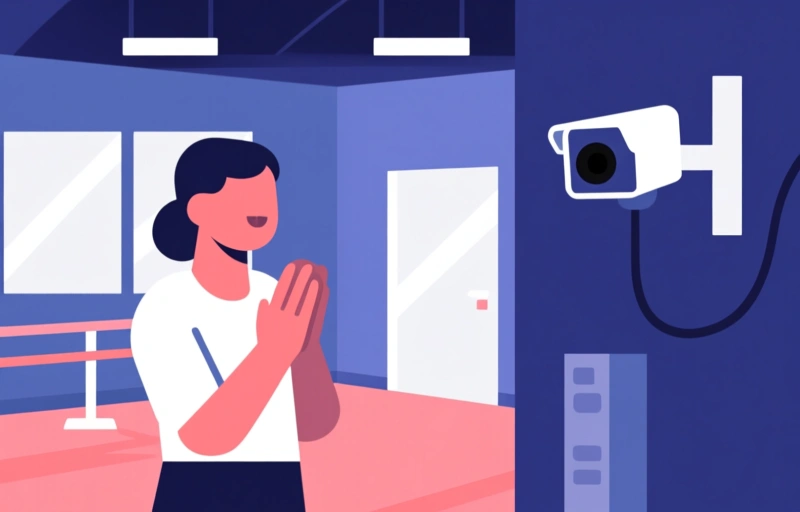
A South Bay dance school worker pleaded no contest to hiding cameras, highlighting critical security vulnerabilities in dance studios. This case serves as a wake-up call for all dance professionals to review safety protocols.
It's a story that sends chills down any dance professional's spine. A South Bay dance school worker recently pleaded no contest to charges of hiding cameras in the studio. This isn't just a news headline—it's a stark reminder of the vulnerabilities that exist in spaces we consider safe havens for creativity and expression.
As a lead choreographer and educator, I've spent decades in studios. They're supposed to be sacred spaces. Places where young dancers can explore movement, build confidence, and express themselves freely. When that trust is violated, it shakes the entire community to its core.
### The Incident and Its Immediate Impact
The details are disturbing. A staff member at a local dance school was accused of placing hidden recording devices in private areas. The worker ultimately entered a no contest plea, which means they're not fighting the charges. While this brings some legal closure, the emotional fallout for students, families, and fellow instructors is just beginning.
Think about your own studio for a moment. The dressing rooms, the bathrooms, the quiet corners where dancers stretch before class. These should be zones of complete privacy. When that privacy is compromised, everything changes.
### Why This Matters to Every Dance Professional
You might think, "This happened somewhere else, with someone else." But here's the uncomfortable truth—it could happen anywhere. Dance studios often operate on tight budgets with limited security measures. We focus on art, not surveillance. That makes us vulnerable.
This case highlights several critical issues:
- The need for thorough background checks for all staff and volunteers
- Regular security audits of studio spaces
- Clear policies about electronic devices in private areas
- Open communication channels for students to report concerns
As one studio owner told me recently, "We're in the business of building trust, not checking for cameras." Yet here we are.
### Protecting Your Studio Community
So what can we actually do? First, don't panic. But do take action. Start with the basics—walk through your studio with fresh eyes. Look for places where someone could hide a device. Check smoke detectors, air vents, clock radios, and decorative items.
More importantly, create a culture where students feel empowered to speak up. Make sure they know:
- What appropriate behavior looks like from staff
- How to report anything that makes them uncomfortable
- That they'll be believed and protected if they come forward
Remember, most dance professionals are wonderful, dedicated people. But one bad actor can destroy years of built trust in an instant.
### Moving Forward with Awareness
This case will likely result in stricter regulations for dance schools and similar institutions. That's probably a good thing, though it means more paperwork and procedures for already-busy studio owners.
The real work happens day by day. It's in the conversations we have with our students about boundaries. It's in the policies we implement and actually follow. It's in creating environments where art can flourish without fear.
Let's use this painful situation as motivation to do better. Check your security protocols. Talk to your staff about appropriate boundaries. Most importantly, listen to your students—they're often the first to sense when something isn't right.
Our studios should be places of joy, discipline, and creative expression. By staying vigilant and proactive, we can keep them that way.