Neighbor Disputes: When Dance Studios Face Parking…
Sarah Jenkins ·
Listen to this article~4 min
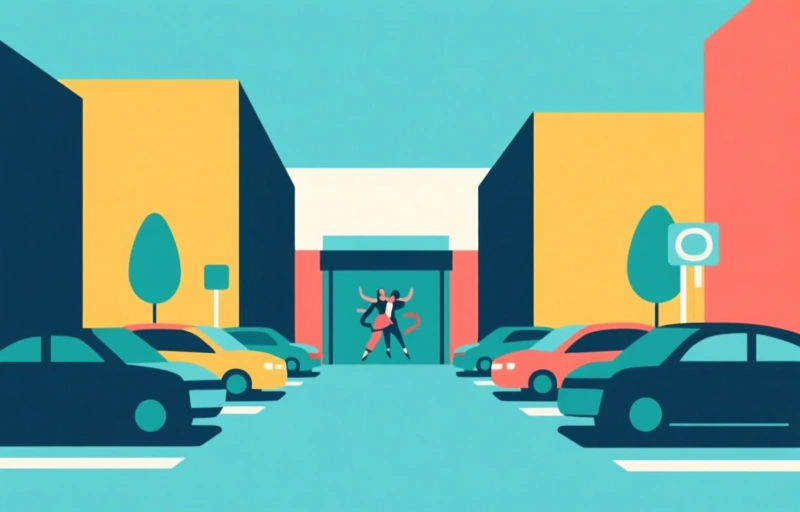
Dance studios often face neighborhood tensions over parking. Learn practical strategies for managing traffic, building community relationships, and turning challenges into opportunities for connection.
Let's talk about something that happens more often than you'd think in our industry. A dance studio opens up, brings energy and art to a neighborhood, and suddenly... there's tension. Not about the music or the classes, but about something as mundane as parking.
It's a real issue, and one that can turn community relationships sour if not handled thoughtfully. I've seen it happen, and honestly, it's heartbreaking when something as beautiful as dance becomes a point of contention.
### Understanding the Parking Problem
Parking challenges aren't unique to dance studios, but we do face some specific issues. Think about it—our busiest times are evenings and weekends when most people are already home. Classes often start and end at similar times, creating sudden surges of vehicles. And let's be real, many of our students carpool or get dropped off, which means multiple arrivals in quick succession.
I remember one studio owner telling me, "We were bringing art to the community, but all our neighbors saw were cars." That disconnect between what we offer and how we're perceived can be frustrating.
### Proactive Solutions for Studio Owners
So what can we do about it? First, acknowledge the issue exists. Don't wait for complaints to pile up. Be the one to start the conversation with neighboring businesses and residents. Here are some practical steps that have worked for studios I've consulted with:
- Create staggered class schedules to spread out arrival times
- Establish designated student drop-off zones
- Partner with nearby businesses for shared parking arrangements
- Encourage carpooling with small incentives for students
- Provide clear parking guidelines to all students and parents
One studio in a tight urban area even worked with the city to get special parking permits for their peak hours. It took some effort, but it transformed their relationship with the neighborhood.
### Building Community Bridges
This is where we can turn a challenge into an opportunity. Dance studios aren't just businesses—we're community centers. When parking becomes an issue, it's often because we haven't fully integrated into the neighborhood fabric.
Consider hosting open houses for neighbors. Offer them trial classes. Share your schedule so they know when to expect increased activity. I've seen studios create "neighbor appreciation" events that completely changed the dynamic. Suddenly, the people who were frustrated about parking became supporters who understood the value their local studio brought.
As one studio owner put it to me recently, "The parking issue forced us to connect with our community in ways we never would have otherwise."
### Long-Term Planning for New Studios
If you're planning to open a new studio, parking considerations should be part of your initial site selection. Don't just count spaces—think about traffic flow, peak times, and neighborhood dynamics. Visit potential locations at different times of day. Talk to existing businesses about their experiences.
It's better to choose a slightly less perfect location with good parking than a perfect space that creates constant neighborhood friction. Your future self will thank you for thinking ahead.
At the end of the day, these challenges remind us that we're part of a larger community. The music, the movement, the art—it all happens within a context. By addressing practical concerns like parking thoughtfully, we create space for what really matters: sharing the joy of dance with everyone around us.