When a Dance Studio Becomes a Corner Shop: A Zoning Story
Julia Wagner ·
Listen to this article~3 min
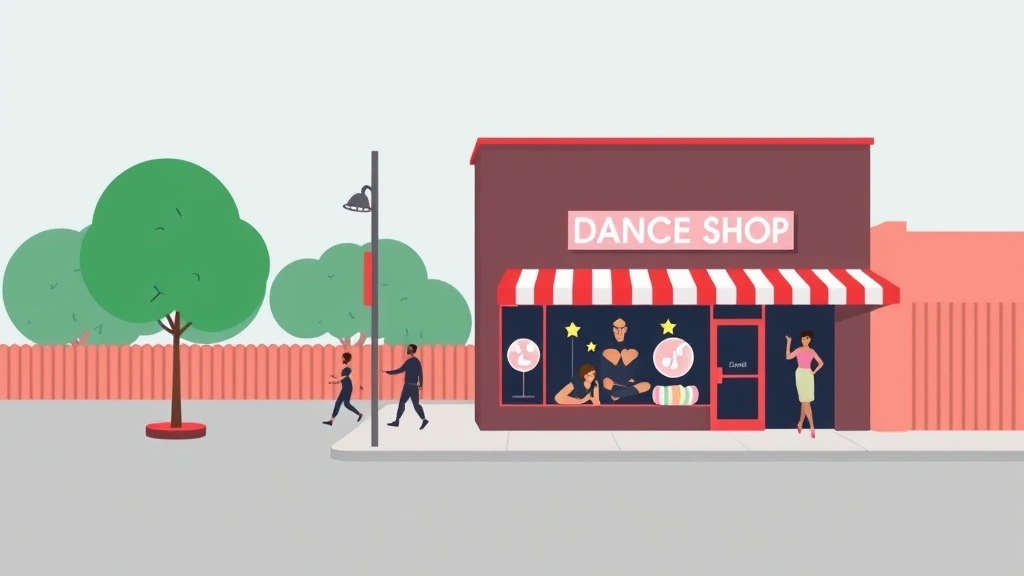
A former dance studio's transformation into a corner shop highlights the real-world process of retrospective planning permission. This story offers key lessons for studio owners on navigating zoning laws and protecting their business investments.
So picture this. You've got this beautiful old dance studio. Maybe it was a ballet school for 30 years, with those big mirrors and sprung floors. Then one day, it's a corner shop selling milk and newspapers. How does that even happen? And more importantly, what happens when the change happens *first*, and the permission comes *later*?
That's the curious case of retrospective planning permission. It's a real-world scenario that's more common than you'd think, especially in communities where buildings need to adapt to survive.
### The Lifecycle of a Community Space
Spaces evolve. A building that once echoed with piano music and tapping feet might now hum with the sound of a coffee machine. This isn't necessarily a bad thing—it's often a sign of a neighborhood's practical needs shifting. The key is how that transition is managed within the framework of local laws and zoning regulations.
For dance studio owners or choreographers looking at their own spaces, this story hits close to home. It raises questions about the future of your own studio. What if you needed to pivot? Understanding the rules *before* you make a change is the smart move.
### Why Retrospective Permission Happens
Let's be honest, sometimes people just don't know the rules. Or they assume a small change won't matter. Other times, it's a calculated risk—get the business open, create jobs, serve the community, and deal with the paperwork later. Local councils often face a tough choice: enforce strict rules and potentially shutter a useful business, or find a pragmatic solution.
- **Unclear Regulations:** Zoning codes can be dense and confusing.
- **Assumed Permitted Use:** Owners might think their change falls under an allowed category.
- **Economic Pressure:** The need to generate income can sometimes outpace the permit process.
- **Community Need:** A vacant studio isn't helping anyone, but a thriving shop might be.
As one former planner told me, "We're not in the business of shutting down community assets. We're in the business of making sure development is safe and appropriate." It's a balancing act.
### Lessons for Dance Professionals
If you run a studio, this isn't just a news story—it's a case study. Your space is your livelihood. Whether you're expanding, renovating, or even considering a future change of use, due diligence is non-negotiable.
Always check with your local planning department *before* you swing a hammer or change your sign. A quick consultation can save you thousands of dollars in fines, legal fees, or forced reversals down the line. Protect the investment you've built in your dance community by keeping everything above board.
The transition from pirouettes to produce aisles might seem odd, but it speaks to the adaptive reuse of our urban fabric. It reminds us that buildings have multiple lives, and communities are constantly redefining what they need most, right on their own corner.