A Week of Dance Inspiration at The Chathams Library
Julia Wagner ·
Listen to this article~4 min
Discover how local libraries like the Chathams offer untapped potential for dance studios and choreographers. Learn practical strategies for community engagement and creative partnership.
Hey there, dance friends. Let's talk about something that might surprise you. Your local library isn't just for books anymore. I recently spent a week observing the programming at the Library of the Chathams, and let me tell you, it's a hidden gem for dance professionals and enthusiasts alike.
Think about it. Where do people in your community gather to learn, explore, and connect? For many, it's the library. And for us in the dance world, that represents a massive, often untapped audience. From choreographers looking for inspiration to studio owners seeking new students, these community hubs are worth your attention.
### Why Libraries Matter for Dance
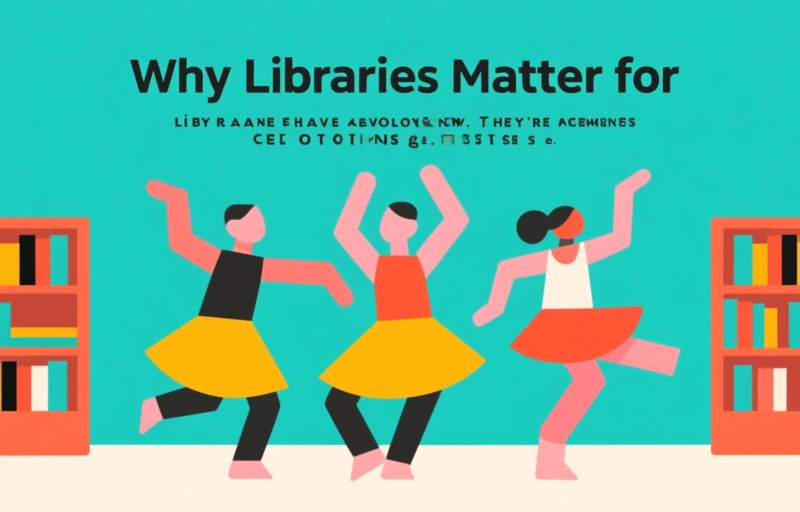
Libraries have evolved. They're community centers now, hosting events that bring people together. During my week there, I saw everything from toddler movement sessions to discussions on the history of performing arts. The space itself is versatile—with open areas that could easily be cleared for a pop-up workshop or a small demonstration.
It's not about checking out a book on ballet. It's about being present in a space where curiosity lives. People come to libraries with open minds, ready to absorb new ideas. That's the perfect mindset for someone about to discover a passion for dance.
### Practical Takeaways for Your Studio
So, what can you, as a dance professional, learn from this? First, look beyond traditional marketing. Partnering with your local library for a single workshop can introduce your studio to dozens of new families. Second, consider the library as a source of creative fuel. Their collections on music, culture, and art history are free resources for developing richer, more informed choreography.
Here are three actionable ideas you can implement this month:
- Propose a "Dance Discovery" weekend workshop for kids and parents.
- Host a choreographer's talk about the creative process, using library resources for research.
- Offer a gentle movement class for seniors, utilizing the library's quiet community room.
These partnerships build community goodwill and position you as a local arts leader, not just a business.
### The Rhythm of Community Programming
Observing the library's weekly schedule was like watching a well-choreographed piece. Each day had its own rhythm and focus. Monday was for quiet study, Tuesday for technology help, Wednesday for story times that involved plenty of clapping and stomping—see the connection?
By Thursday, the energy shifted toward arts and crafts, which is just one step away from creative movement. Friday featured film screenings, including documentaries on legendary performers. Saturday was bustling with family activities, and Sunday offered calm reflection. Your studio's schedule should have this same intentional flow, catering to different energies throughout the week.
As the great dancer and choreographer Martha Graham once said, 'Dance is the hidden language of the soul.' Libraries help people find their voice. We, as dance professionals, can help them express it.
### Turning Observation into Action
Let's get practical. Reach out to your local library's program coordinator. Don't lead with what you want to sell. Lead with what you can offer the community. Frame it as an enrichment opportunity. Maybe it's a free introductory class during National Dance Week. Perhaps it's a lecture-demonstration for adults interested in the cultural roots of a specific dance style.
Remember, this isn't a quick advertising scheme. It's about building authentic, long-term relationships within your community. The library patrons you meet today could be your most dedicated students tomorrow. They could become the parents who champion your programs, the volunteers for your recitals, or the donors for your outreach initiatives.
Start small. Think local. And watch how integrating with community spaces like libraries can change the rhythm of your growth. Your next great class idea or your newest star student might just be waiting between the shelves.