How Dance Classes Transform Lives for People with…
Julia Wagner ·
Listen to this article~3 min
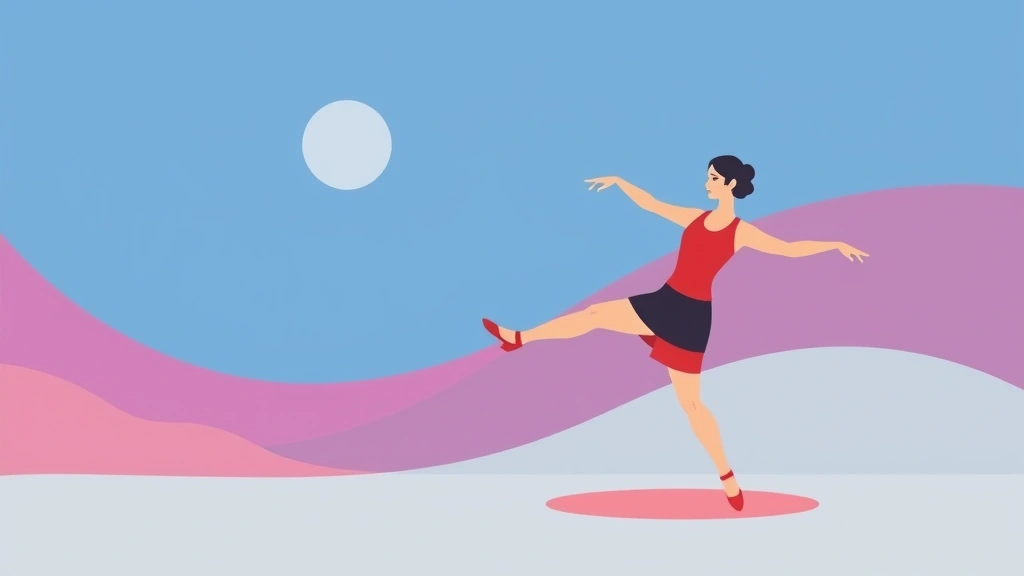
Discover how specially designed dance classes are boosting confidence and energy for people with Parkinson's disease, offering physical, social, and emotional benefits beyond traditional therapies.
You know that feeling when you're moving to a great song and everything just clicks? It's more than just fun—it's powerful medicine. For people living with Parkinson's disease, that feeling is becoming a transformative part of their wellness journey. Dance classes specifically designed for this community are showing remarkable results, boosting both confidence and energy in ways that traditional therapies sometimes miss.
Let's talk about why this works. Parkinson's can make movement feel rigid and uncertain. But dance? Dance invites fluidity. It asks the body to remember rhythm instead of just following commands. Participants aren't just doing exercises; they're expressing themselves through movement. That shift in perspective is everything.
### The Science Behind the Movement
Research is catching up to what dancers have known for ages. Structured dance programs improve balance, coordination, and gait. But the benefits go deeper than the physical. The social connection in a class combats isolation. The music stimulates the brain in unique ways. And the sheer joy of moving to a beat releases endorphins—those natural mood boosters we all need.
One participant put it perfectly: "In class, I'm not a patient. I'm a dancer. For that hour, the disease takes a backseat to the music."
That's the magic right there. It's about reclaiming identity beyond a diagnosis.
### What Makes These Classes Different?
These aren't your typical dance studios pushing complex routines. Instructors are often trained in both dance and adaptive movement principles. They understand the challenges and design classes that are:
- Accessible for various mobility levels
- Focused on rhythm and musicality over perfection
- Built around seated and standing options
- Emphasizing community and mutual support
Classes usually run for about 60 minutes and cost between $15-$25 per session, with many studios offering sliding scale options. The focus is always on what participants *can* do, not what they can't.
### The Ripple Effects Beyond the Studio
The confidence gained in class doesn't stay on the dance floor. Family members report seeing more engagement in daily activities. That renewed energy translates to better management of other symptoms too. It's not a cure, but it's a powerful tool in the toolkit.
For studio owners and choreographers, this represents a meaningful opportunity to serve your community. You're not just teaching steps; you're facilitating healing. You're creating a space where people feel capable and celebrated.
### Getting Started with Parkinson's-Friendly Programming
If you're considering adding these classes to your studio, start small. Partner with local neurologists or Parkinson's support groups. Train your instructors in adaptive techniques. Most importantly, listen to your participants. They'll tell you what works.
Remember, the goal isn't to create professional dancers. It's to create moments of freedom and joy through movement. When someone who's been told their body is failing them discovers they can still sway to a favorite song? That's a victory worth celebrating.
The movement is growing. More studios are recognizing that dance is for every body, at every stage of life and ability. And that's something we can all get behind—one step, one beat, one transformed life at a time.